







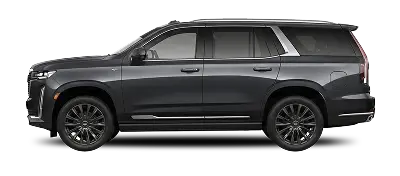
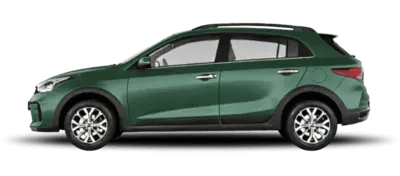

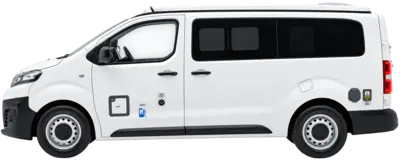




























- Key Takeaways
- Car Rental Insurance: What’s Required by Florida Law
- CDW, LDW, SLI, PAI: What Each One Actually Means
- Does Your Own Insurance Already Cover This?
- Credit Card Rental Cover: Where It Breaks
- What’s Included When Insurance Comes with the Rental
- Insurance for Luxury or Exotic Cars in Miami
- Insurance Checklist Before You Sign
- FAQ
In Miami you can usually skip some of the rental counter add-ons — but only if your own policy or card really covers the car you rent. Before you rent a car in Miami, check the vehicle, limits, and exclusions.

Florida is a “no-fault” state. This means that after an accident, each driver’s PIP coverage generally pays for their own eligible medical expenses and disability benefits (regardless of who was at fault). Florida law also has clear rules about whose insurance pays first if a rental car gets into an accident. Primary insurance pays first after an accident. Secondary car rental insurance applies only to pay remaining bills if the main coverage reaches its limit.
Most products offered by the rental company are either waivers, such as CDW/LDW, or additional coverage, such as SLI/LIS. Some of these options could double up with existing insurance coverage you have personally or through a credit card.
Keep reading this article, and you’ll discover what Florida law requires, understand what CDW, LDW, SLI, and PAI are, whether your own car insurance covers bodily injury and property damage, and what you should do in case of an accident.
Key Takeaways
- Basic Liability Coverage: Florida’s basic requirements for most private vehicle owners are $10,000 PIP and $10,000 PDL; bodily injury liability is not generally mandatory for those owners. SLI/LIS adds liability cover. These minimums do not define every rental company’s obligations or policy.
- CDW/LDW Waivers: CDW and LDW are not insurance policies but rather waivers of liability from the rental company.
- Personal Auto Insurance: The rental company’s liability and PIP coverage is primary unless the agreement shifts priority in at least 10-point type. Many agreements do shift it to the renter’s policy, so check the contract.
- Credit Card Coverage: Credit card coverage almost always excludes exotic cars and expensive SUVs.
- Included Coverage vs. Waivers: Declining a waiver vs. having insurance included in the rate are two different things (check before signing).


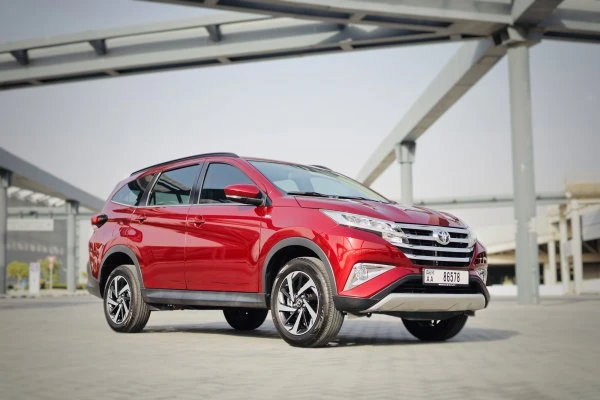


Car Rental Insurance: What’s Required by Florida Law
Florida law requires all registered vehicles in the state to carry minimum levels of auto insurance. However, when you rent a car, your coverage is governed by both Florida law and your rental agreement. The Florida Department of Highway Safety and Motor Vehicles establishes these requirements:
- Property Damage Liability (PDL): Florida requires a minimum of $10,000 in PDL to pay for damages you cause to another person’s vehicle or property.
- Personal Injury Protection (PIP): Florida law requires $10,000 in PIP for medical expenses under its “no-fault” system, which covers qualified medical bills regardless of who caused the accident. However, PIP is designed primarily for Florida residents. Foreign tourists should check travel medical insurance or consider PAI at the rental counter.
While PIP covers personal medical costs, it cannot pay for damage to another person’s vehicle or property. That falls under Property Damage Liability (PDL). Similarly, injuries caused to other people are covered under Bodily Injury Liability (BIL).
In Florida, there are two ways for the rental agency and renter to determine whose insurance is primary in case of an accident:
- By Default: Under Florida Statute 627.7263, the rental company’s liability and PIP coverage is primary for the statutory limits unless the agreement provides otherwise.
- By Agreement: The rental company can require your personal insurance to pay first. However, the agreement must state the required provision in at least 10-point type on its face.
Under Florida Statute 324.021, rental agencies must maintain basic financial responsibility for their vehicles. However, because basic state limits are very low for a serious accident, most rental agencies offer supplemental protection. These include Supplemental Liability Insurance (SLI/LIS) to provide additional liability protection, and a Loss Damage Waiver (LDW) to protect you from paying for damage to or theft of the rental car itself.
CDW, LDW, SLI, PAI: What Each One Actually Means
| Product | What it covers | When to consider it | Indicative daily cost |
|---|---|---|---|
| CDW/LDW — Collision/Loss Damage Waiver | In the US, these are usually sold as one contractual waiver covering damage and theft of the rental car, subject to terms. | When your existing policy or card does not cover the vehicle, or its deductible and exclusions leave gaps. | About $20–$40 |
| SLI/LIS — Supplemental Liability Insurance | Additional liability cover for injury or property damage caused to others; limits are often around $1 million. | Especially relevant in Florida, where bodily injury liability is not generally mandatory for private owners. Check existing liability protection and the offered limit. | About $12–$17 |
| PAI — Personal Accident Insurance | Specified accident benefits for the driver and passengers, such as medical or accidental-death benefits. | Compare with travel medical or other existing cover before buying. | About $6–$9 |
| PEC — Personal Effects Coverage | Specified loss of personal belongings, subject to limits and exclusions. | Check whether travel or home cover already protects your belongings. | About $2–$6 |
These are indicative prices, not Octane quotes; confirm the current price and terms for the selected car.
A waiver limits the rental company’s right to charge you for covered damage or loss. It does not replace liability or medical cover. The agreement defines exclusions, deductibles, and reporting requirements.
Before choosing a waiver, ask whether tires, windows, the underbody and roof are covered, and which uses or driver actions invalidate protection. If you want to allow other people to drive the rental car, you must add additional drivers to the rental agreement.
Claim procedures differ between rental waivers and third-party cover. Review the exclusions and reporting requirements before pickup.

Does Your Own Insurance Already Cover This?
- US residents: A personal auto policy may extend to a rental with the same limits and deductible. Ask the insurer whether it covers your selected car in Florida and which policy pays first.
- Foreign tourists: Do not assume a home-country policy covers liability or vehicle damage in the US. Obtain confirmation for the destination, rental dates, and vehicle.
- Travel cover: Medical and baggage benefits do not necessarily include rental-car damage or theft. Check each benefit separately.
Confirm these details before pickup to avoid buying duplicate protection or leaving a gap. The contract and policy wording determine the cover available for your rental.
Credit Card Rental Cover: Where It Breaks
Credit card cover usually applies to damage to or theft of the rental car, is often secondary, and excludes exotics. It generally does not replace liability or medical protection. Primary cover pays first; secondary cover coordinates with other applicable policies, subject to the benefit’s terms.
To activate a card benefit, you generally need to pay for the entire rental with the eligible card or qualifying rewards and decline the rental company’s CDW/LDW. Check the guide before declining anything, particularly where protection is already included in the rate.
Vehicle exclusions and rental-duration limits vary. Commercial vehicles, pickups, camper vans, motorcycles, car-sharing vehicles, and luxury or exotic models may be excluded. A policy may also distinguish between large SUVs and eligible passenger vehicles. Confirm the exact model rather than relying on its category alone.

Payout limits and vehicle-value limits are different. Cards may cap damage payments at $60,000–$75,000 while separately excluding vehicles above a specified MSRP; Chase Sapphire Preferred, for example, has a $125,000 vehicle-value threshold. An eligible car can still cost more than the maximum benefit pays.
If you plan to rent a luxury car in Miami, confirm eligibility with the issuer and review the rental company’s protection. A deposit does not replace damage cover.
- Chase Sapphire Preferred: Primary rental-car cover up to $60,000 for eligible vehicles with an MSRP of $125,000 or less. New York residents have a secondary-cover exception for rentals in the US. Read the current benefit guide.
- American Express Platinum: Secondary Car Rental Loss and Damage Insurance up to $75,000, for eligible rentals lasting up to 30 consecutive days.
- Capital One Visa Signature: Benefits can cover eligible collision or theft losses and specified related charges. The exact card guide determines limits, exclusions, and whether protection is primary or secondary.
Before relying on a card, obtain confirmation of the vehicle’s eligibility, maximum consecutive rental period, payout limit, deductible, and required claim documents. Card products and terms can change.
What’s Included When Insurance Comes with the Rental
At Octane Rent, basic insurance is already included in the rate. Before booking, ask the manager whether it covers damage to wheels and tires, windshield chips, and damage to the undercarriage or interior, and request the applicable exclusions in writing.
Octane Shield is the additional protection option. Ask what it changes about your deductible and covered damage, and follow the rental agreement’s conditions.
In this case, we recommend that you clarify the following before signing the contract:
- deductible amount
- whether windows and tires are covered
- whether coverage extends to an additional driver
- whether there is a mileage limit
- under what circumstances protection is voided
Full conditions, documents, and age requirements are listed in the Miami rental FAQ.
What to Do If You Have an Accident in Miami
- Check for injuries and call 911 if anyone needs urgent help or there is an immediate hazard.
- Contact the police when required and obtain the incident or report number.
- When it is safe, photograph the vehicles, damage, road conditions, and license plates.
- Exchange contact and policy details with the other drivers.
- Notify the rental company promptly and follow its incident-reporting instructions.
- Keep the report number, photos, and rental documents for any claim.
A police report may be required by the rental agreement or benefit provider. Check the reporting procedure and deadlines promptly; missing required documents can affect a claim.
Insurance for Luxury or Exotic Cars in Miami
If you rental sports car in Miami, check the terms for that specific vehicle. High-value models can have larger deductibles and stricter eligibility rules than standard sedans.
For standard rental cars, insurance deductibles are usually $500 to $1,000. For exotic cars, deductibles are much higher in absolute figures, ranging from $2,500 to $10,000 and more per incident (depending on the vehicle’s value).
It is worth mentioning that driver requirements are much stricter when renting an exotic or luxury car. For example, most companies require drivers to be at least 25 years old. If you are younger, you may face surcharges or additional eligibility requirements. Also, there can be minimum driving experience requirements, typically starting from three years or more. Also, the company can check your driving record. The list of required documents may also be more extensive if you are renting a luxury, sports, vintage, or exotic car.
Before booking a luxury or exotic car, ask the manager whether a personal U.S. auto insurance policy is required for your selected vehicle and what documents you need. Confirm the included protection, limits and deductible, and check which coverage pays first under the rental agreement.
Confirm with the manager whether your booking requires a security deposit or credit-card hold. If one applies, request the amount, what it covers, and the release conditions in writing.
Pre-Rental Checklist:
- What is my deductible amount in USD for this car specifically?
- Does this booking require a security deposit or card hold? If so, how much is it and when will it be released?
- Are there any administrative fees I should be worried about?
- Does my personal auto insurance policy cover this vehicle, or do I need to buy your daily physical damage waiver?
- Are wheels, carbon fiber body parts, and windshield chips covered under your insurance, or are they excluded?
- What is the maximum mileage allowed per day, and what is the cost of each additional mile above that amount?
Ask your insurance agent about this, or clarify these points with the car rental customer support team.
Insurance Checklist Before You Sign
- Confirm the deductible in dollars. Ask about your responsibility for covered damage and any separate excluded costs.
- Check tires, glass, wheels, and the undercarriage. Ask whether wheel and windshield protection is included or available separately.
- List every driver. Make sure each person who will drive is authorized in the agreement.
- Confirm any card benefit before declining a waiver. Use the eligibility and payment checklist in the card-cover section above.
- Photograph the car before and after the rental. Record the exterior, wheels, windows, and interior, and have existing damage noted on the inspection sheet.
- Keep receipts and contracts after the rental. Retain the agreement, return receipt, inspection photos, and receipts for tolls and SunPass charges.