












































- Quick Guide
- Tips for First-Time Renters: Choosing the Right Car Rental Abu Dhabi
- Traffic Laws and Etiquette When Renting a Car For The First Time
- Fuel and Parking Rules for First-Time Car Renters
- Navigation and Apps
- Best Places to Visit by Rental Car For the First Time
- First-Timer’s Guide to Car Rental Insurance Policies
- Returning the Rental Car
- Required Documents, Age and Driving License Requirements
- Why Hire a Car From Octane Rent
- FAQ
Renting a car in Abu Dhabi for the first time is an exciting choice, allowing you to explore the city at your own pace. A rental gives you the freedom to reach key attractions, enjoy a desert trip, or travel without relying on public transport in Abu Dhabi. Understanding the local driving rules, car rental process, and regulations is essential to ensure a smooth and enjoyable experience throughout your stay in the UAE’s capital.
This complete guide on Abu Dhabi car rental helps make your journey hassle-free and enjoyable.

Quick Guide
Choose the right car – Match the vehicle to your trip purpose, budget, and comfort needs.
• Prepare your documents – Passport, visa, home country license, and IDP (for tourists).
• Check age requirements – Minimum 21 years (25+ for luxury or sports cars in most cases).
• Understand insurance coverage – Review what’s included and consider extra protection if needed.
• Follow local traffic rules – Speed limits are strictly enforced with radar systems.
• Plan fuel and parking – Use official parking apps and follow the agreed fuel policy.
• Inspect before return – Check the car condition and return it on time to avoid extra fees.

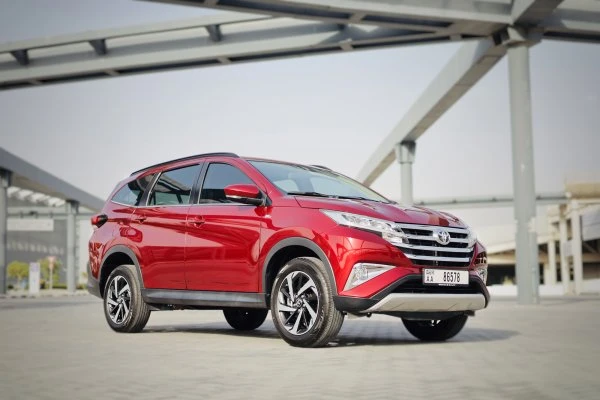


Tips for First-Time Renters: Choosing the Right Car Rental Abu Dhabi
Choosing the right rental car in Abu Dhabi depends on the purpose of your visit, your budget, and the type of car you prefer. With modern highways, clear driving rules, and well-organized parking areas, driving in Abu Dhabi is generally smooth and convenient for both residents and visitors.
- Business travel: For professional trips, comfortable mid-size sedans such as the Toyota Camry or Nissan Altima are reliable and practical options. They provide a smooth ride, good fuel efficiency, and a polished appearance suitable for meetings and corporate events. Premium sedans like the BMW 5 Series or Mercedes-Benz E-Class are also available if you prefer a more executive presence.
- Family travel: Traveling with family or a group requires extra space and comfort. Full-size SUVs like the Nissan Patrol or Toyota Land Cruiser offer generous seating capacity, large luggage space, and strong air-conditioning performance – especially important in the UAE climate. They are ideal for both city driving and longer intercity trips.
4×4 SUVs such as the Jeep Wrangler or Ford Expedition are also available for rent․ These vehicles provide higher ground clearance, stability, and capability for rough terrain. - Luxury experiences: For a premium car rental experience, luxury models such as the BMW 7 Series, Mercedes-Benz G-Class, or Rolls-Royce combine advanced technology, refined interiors, and exceptional comfort. They are popular for special occasions, VIP travel, or simply elevating your stay.
- Economy cars and compact options: Solo travelers or budget-conscious visitors often choose compact models like the Toyota Yaris, Kia Rio, or Nissan Sunny. These vehicles are easy to maneuver, fuel-efficient, and convenient for navigating busy areas or finding parking in central districts.
- Sports cars: Performance-focused drivers can opt for models like the Chevrolet Corvette, Porsche 911, Bentley Continental GT, or Lamborghini Huracán. These cars deliver powerful engines, dynamic handling, and a distinctive driving experience on Abu Dhabi’s wide highways.
Abu Dhabi’s rental market is diverse and flexible, with a large selection of vehicles – from economical cars to luxury models- tailored to the preferences and budget of any traveler.
Traffic Laws and Etiquette When Renting a Car For The First Time
If you’re planning a trip and considering car rental in the UAE, understanding local traffic laws is important.
Driving in Abu Dhabi is generally smooth and well-regulated. Roads are modern, signage is displayed in both English or Arabic, and traffic systems are monitored by advanced radar and camera networks. However, traffic laws in the United Arab Emirates are strictly enforced, and violations can result in significant fines.
Speed limits vary depending on the road type:
- Urban roads: usually 60 – 80 km/h
- Highways: typically 100–140 km/h
- Residential areas: commonly 25–40 km/h
Unlike some other emirates, Abu Dhabi generally enforces speed limits without a large tolerance buffer. Drivers should always follow the posted limit on road signs, as exceeding the limit, even slightly, may result in automatic fines issued through radar cameras. Fines are usually charged to the renter and may be deducted from the security deposit.
Key Traffic Rules
In Abu Dhabi, traffic laws are taken seriously, and compliance is expected from every driver.
- Seat belts must be worn by all passengers.
- Using a mobile phone while driving is only allowed through a hands-free system.
- Driving under the influence of alcohol or drugs is treated as a criminal offence and carries severe penalties.
- If you are traveling with children, approved child safety seats are mandatory.
- Common violations such as illegal parking, aggressive lane changes, tailgating, or failing to give way to pedestrians can also result in fines issued through the city’s monitoring system.
Driving Etiquette
Traffic flows quickly on major roads, so staying in your lane and signaling clearly before changing lanes is essential. Maintaining a safe following distance is especially important on highways.
Electronic speed displays and variable message boards are widely used across Abu Dhabi, so always follow the most recent posted instructions.
Stay alert, drive safely, and always respect local driving norms. This not only helps you avoid penalties but also ensures a smooth and confident driving experience during your stay. Booking a car with a GPS can help you with this.
Fuel and Parking Rules for First-Time Car Renters
One of the advantages of driving a car in the UAE is that petrol is relatively affordable, and refuelling is easy and convenient. Petrol stations are common throughout the city, on highways, and along major routes. If you’re planning trips outside the city, it’s a good idea to keep your tank topped up, as fuel stations become less frequent in remote locations.
Parking in Abu Dhabi is generally well‑organized, with a combination of paid and free parking areas.
Paid Parking Zones
The city’s paid parking system operates in most central districts and busy streets. Parking spaces are clearly marked, and fees usually range depending on the area and time of day. In core zones, expect to pay around AED 2 – 3 per hour, with higher rates in premium locations or during peak hours.
You can pay for parking through official channels like the Mawaqif parking meters, by sending an SMS to the designated parking number, or by using the Mawaqif app, which lets you pay remotely and extend your parking time if needed. Paid parking hours typically run from morning until late evening, and in many areas, there is free parking on Sundays or public holidays. Always check the signs nearby for exact hours.
Free Parking
Many shopping malls, hotels, and popular attractions offer free parking for visitors. These lots are usually well signposted and convenient if you plan on spending several hours in one place.
In residential neighbourhoods, some streets may require permits or have restrictions, so make sure to read the signs before leaving your car.
Avoid common parking offenses like blocking driveways, parking on sidewalks, or stopping in restricted zones, as fines are enforced promptly and can be costly.
Navigation and Apps
Many rental cars come with built-in GPS navigation, but if you prefer using apps, Google Maps and Waze work reliably across the emirate. They provide real-time traffic updates, accurate directions, and estimated travel times. These apps can help you avoid congested routes and quickly locate petrol stations, parking areas, or popular attractions.
The Abu Dhabi Police app is another useful tool for checking and paying traffic fines, reporting minor incidents, or receiving road safety alerts.

These digital tools make driving not only manageable but also enjoyable. You’ll have everything you need to avoid unnecessary detours and make the most of your time in the city.
Best Places to Visit by Rental Car For the First Time

Choosing a car rental lets you discover the city and its surrounding attractions at your own pace. Some of the top destinations are:
- Luxury and iconic sights: A must-visit place is the Sheikh Zayed Grand Mosque, one of the world’s largest mosques, offering stunning architecture and a serene atmosphere.
- Relaxing waterfronts: Drive to the Corniche, a scenic waterfront promenade perfect for walking, cycling, or enjoying cafes with views of the Arabian Gulf.
- Beaches and leisure: Saadiyat Beach is ideal for unwinding, with its soft sands and clear waters, while nearby Louvre Abu Dhabi provides a cultural experience combining art, architecture, and history.
- Family fun: For theme park lovers, Warner Bros. World Abu Dhabi, Ferrari World, and Yas Waterworld offer thrilling rides and entertainment for all ages.
- Desert experiences: A short drive outside the city takes you to the Abu Dhabi desert, where you can enjoy dune bashing, camel rides, or traditional Bedouin-style experiences.
First-Timer’s Guide to Car Rental Insurance Policies
Familiarize yourself with car hire insurance, as it’s an important part of preparing for your trip. When you rent a vehicle, certain coverages are usually included in the rental agreement:
- Collision Damage Waiver (CDW): Limits your financial liability for damage to the rental car in the event of an accident. It often comes with a deductible, meaning you’ll still be responsible for a portion of the repair costs.
- Third-Party Liability Insurance: Covers damage or injury you cause to other people, their vehicles, or property while driving.
These standard coverages don’t always include theft protection, damage to tires, windshields, or the underside of the car.
Additional Insurance Services
- Super Collision Damage Waiver (SCDW): Reduces or eliminates the deductible, providing almost full coverage with minimal out-of-pocket expenses after an accident.
- Theft Protection (TP): Covers the loss of your vehicle due to theft or attempted theft.
- Personal Accident Insurance (PAI): Covers medical expenses for the driver and passengers in case of injury in a collision.
- Roadside Assistance Insurance: Includes help with flat tires, dead batteries, lockouts, or towing.
- Tire and Glass Protection: Covers damage to the windshield, mirrors, or tires, which are usually excluded from basic insurance.
Whether you need additional insurance depends on your travel plans and the level of protection you’re comfortable with. If you already have international travel insurance or a credit card that includes rental car coverage, it may provide similar protection, but it’s important to check the details in advance.
For short trips within the city, the standard insurance included in the rental is often sufficient.
Always read the terms and conditions carefully, and don’t hesitate to ask the rental provider to clarify anything that isn’t clear before signing the contract.
Returning the Rental Car
Before returning your rental car, make sure the fuel level matches the agreed policy (usually full-to-full) to avoid refuelling charges.
Inspect the vehicle together with the car rental company you choose and confirm that no new damage is recorded incorrectly.
Return the car on time, as late returns may trigger extra hourly or daily fees. If your rental includes a mileage limit, make sure you haven’t exceeded it.
Always review the final agreement and ask for clarification if needed, a quick check can help you avoid unexpected charges.
Required Documents, Age and Driving License Requirements

You’re planning to rent a car? Here’s what you should have ready:
- If you’re a tourist, the documents you’ll need to rent a car include: a driving license from your home country, a visa, passport and you’ll also need an international driving permit (IDP).
These documents confirm your identity, legal entry into the country, and the validity of your stay.
- If you’re a resident and live in the UAE, you’ll present ID and UAE driving license.
Most rental companies require a minimum age of 21 years old to rent a standard car. For sports or luxury car rentals in Abu Dhabi, the minimum age may be 25 yrs.
In addition to meeting the age requirement, you usually need to have held your driver’s license for at least one year. This ensures that the driver has sufficient experience behind the wheel and can vary depending on car type.
While most car rental companies in Abu Dhabi require a valid credit card in the driver’s name for a security deposit, Octane.Rent offers no deposit rental options, allowing you to plan your budget clearly without added costs.
Be sure to check the rental conditions and book in advance to avoid last-minute surprises.
Why Hire a Car From Octane Rent
Choosing Octane.Rent makes your first car rental experience easier, more flexible, and transparent. Octane.Rent rental agency offers a wide range of vehicles – from economy and family cars to sports models and premium cars, so you can find the right option for your trip and budget.
One of the key advantages is no hidden fees․ Car rental prices are clear from the start, and you won’t be surprised by unexpected charges at pickup or drop-off.
Octane.Rent also provides easy booking and flexible pickup/drop-off options, making it practical for travelers with tight schedules. The car can be delivered to any location convenient for you, including Abu Dhabi International Airport, your hotel, office, or any other address within the city.
Many customers appreciate Octane’s supportive customer service team, ready to answer questions and help with documentation or route advice.
Renting a car in Abu Dhabi for the first time doesn’t have to be complicated. With the right preparation, understanding of local rules, and a reliable rental partner, you can enjoy a smooth and stress-free driving experience throughout your stay.
Choose Octane.Rent, enjoy your journey and make the most of your time in the UAE.