

































- QUICK GUIDE — Main Points in 30 Seconds
- What Is Cruise Control in a Car?
- How Cruise Control Works
- Key Components of Cruise Control
- Benefits of Cruise Control for Safer Driving
- When You Should and Shouldn’t Use Cruise Control
- How Cruise Control in Car Enhances Long-Distance Driving in the UAE
- Modern Cars With Advanced Cruise Control Features
- FAQ
Cruising down the highway with your foot off the gas pedal might sound like a luxury, but in reality, cruise control reduces driver fatigue, prevents speeding, and even improves fuel economy. Today, it’s no longer just a simple speed lock. Advanced versions, like adaptive cruise control, are transforming how we drive long distances. Understanding how to use cruise control can make your journey safer, smoother, and more efficient.
QUICK GUIDE — Main Points in 30 Seconds
- Maintains stable speed automatically
- Reduces driver fatigue on highways
- Helps avoid unintentional speeding
- Improves fuel efficiency on long trips
- Adaptive systems maintain safe distance
Now let’s discuss each point in detail.
What Is Cruise Control in a Car?
Cruise control is an electronic system designed to maintain a set vehicle speed without requiring constant pressure on the accelerator pedal. It’s a vital tool for reducing mental load and enhancing road safety.
It activates only at higher speeds (typically above 20–30 km/h) and is intended for use on open roads, highways, and motorways where traffic flow is predictable. It allows drivers to focus more on steering, lane positioning, and surrounding traffic. A modern cruise control system helps you keep the car moving at a steady speed.
Traditional Cruise Control
Once activated, it locks the vehicle at the speed you’ve selected. It’s ideal for clear, straight stretches of highway with minimal traffic and no sudden changes in terrain.
However, it does not detect vehicles ahead. If traffic slows, you must manually brake or disengage. While simple and reliable, it demands constant driver vigilance regarding distance and speed changes, making it less effective in unpredictable road conditions. With traditional cruise control, you must manually maintain a safe distance from the vehicle ahead.
Adaptive Cruise Control (ACC)
Adaptive cruise control uses forward-facing radar, and often a camera, to monitor the speed and distance of the vehicle ahead. If traffic slows, ACC automatically reduces your speed to maintain a pre-set following safe distance. When the road clears, it accelerates smoothly back.
Adaptive cruise control systems help you maintain a safe gap, reduce rear-end collision risk, and minimize stress during peak hours. Unlike traditional systems, adaptive cruise control maintains your speed and adjusts it based on real-time traffic behavior.
Intelligent Cruise Control
Modern cruise control integrates with traffic sign recognition systems. Using onboard cameras, it detects speed limit signs and can automatically adjust your set speed to comply with posted limits.
In the UAE, where speed limits vary dramatically between urban zones, this feature is a game-changer. Some systems also synchronize with navigation data to anticipate curves, intersections, or construction zones.
How Cruise Control Works
The operation of cruise control is a seamless blend of sensors, software, and vehicle electronics. Here’s how it works step by step:
-
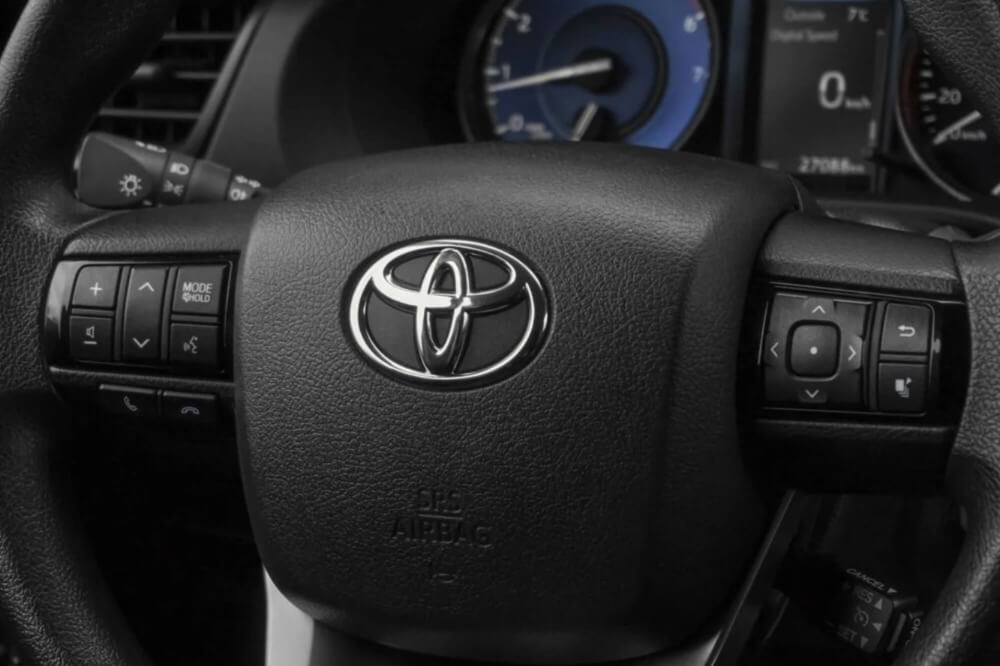
Driver Input: The driver accelerates to the desired speed and presses the “Set” button on the steering wheel to activate cruise control. The system records this speed as the target.
-
Speed Maintenance: The vehicle’s Engine Control Unit (ECU) takes over, adjusting throttle input to maintain the speed without requiring foot pressure.
-
Electronic Regulation: An electronic control module continuously monitors wheel speed via ABS sensors and fine-tunes engine output in real time.
-
For Adaptive Systems: In adaptive cruise control, additional sensors activate. They scan the road ahead, measuring distance, relative speed, and trajectory of the vehicle ahead.
-
Dynamic Adjustment: If the vehicle ahead slows down, the system applies gentle braking. When the road clears, it accelerates smoothly back.
-
Safety Overrides: Crucially, the system is designed to disengage instantly if the driver touches the brake or clutch pedal.
In the UAE’s high-temperature and high-speed environment, cruise control is super convenient. It helps you improve fuel efficiency. It reduces stress, enhances focus, and significantly improves your driving experience.
Key Components of Cruise Control
Cruise control in a car relies on a network of sensors, actuators, and software. The system functions by controlling the throttle, precisely regulating engine power to keep your car at a constant speed.
- Speed sensors monitor wheel rotation and transmit real-time data to the electronic control unit.
- The electronic control unit (ECU) interprets signals from the sensors and your inputs via buttons on the steering wheel or dashboard.
- Radar cruise control measures the distance between your car and the vehicle ahead.
- The throttle actuator adjusts the control of the throttle to accelerate or decelerate smoothly.
- Control buttons (typically located on the steering wheel) let you set, resume, accelerate, decelerate, or deactivate cruise control.
These components work together to ensure consistent speed control.
Benefits of Cruise Control for Safer Driving
Cruise control offers a range of advantages that enhance both comfort and safety:

Reduced Driver Fatigue
Cruise control helps reduce the physical strain of holding your foot on the accelerator for extended periods. On long highway drives, this leads to less muscle tension and improved alertness.
Better Speed Control
Cruise control is designed to eliminate unintentional speeding. Whether you’re passing through zones with frequent speed limit changes or simply want to avoid tickets, it helps you maintain a steady pace without constant monitoring.
Improved Fuel Efficiency
Cruise control can save fuel by avoiding unnecessary surges in acceleration. Maintaining a constant speed reduces engine load fluctuations, making it one of the simplest ways to improve efficiency.
Safer Distance Management (Adaptive Cruise Control)
Advanced adaptive cruise control systems also monitor the distance from the car ahead. If the vehicle in front slows down, your car will automatically adjust speed to maintain a safe following distance.
Smoother Driving Experience
By minimizing abrupt changes in speed, cruise control reduces jerky movements that can cause discomfort. This smoothness enhances ride quality and reduces wear on brakes and drivetrain.
When You Should and Shouldn’t Use Cruise Control
Cruise control is best used under predictable, low-risk conditions:
- Highway drives with minimal traffic
- Long, straight roads with consistent surface quality
- Clear weather and good visibility
- Extended trips where fatigue is a concern
Cruise control should not be used in situations where full control of the vehicle is essential:
- City driving with frequent stops and turns
- Winding roads or mountainous terrain
- Rain, fog, ice, or wet surfaces
- Heavy traffic with constant lane changes or unpredictable vehicles
- Construction zones or areas with erratic driver behavior
In these cases, it is safer to manually control the car. Always be ready to deactivate or disable cruise control instantly — most systems allow this with a simple tap of the brake or a button press, which is especially important when you rent a car in Dubai and drive in varied traffic conditions.
Myth: Cruise control makes drivers less alert.
Reality: When used properly, cruise control helps you stay focused. It removes the repetitive task of speed control, allowing you to pay more attention to the road.
Myth: Only luxury cars come with cruise control.
Reality: Even budget-friendly models now include conventional cruise control as standard. Many mid-range vehicles also offer adaptive cruise assist or dynamic cruise control.
Myth: Cruise control doesn’t work on hills.
Reality: Modern systems automatically adjust engine power to maintain set speed uphill and use engine braking on descents.
Myth: Turning off cruise control is complicated.
Reality: Deactivate cruise control with a single press (brake, clutch, or dedicated button). The system is designed for quick, intuitive disengagement.
How Cruise Control in Car Enhances Long-Distance Driving in the UAE
In the UAE, where long, straight highways connect major emirates, cruise control makes long-distance driving significantly easier. Cruise control helps drivers maintain a steady speed without constant throttle input, reducing physical strain and improving concentration.
In the case of cars with adaptive cruise control, drivers benefit from systems that monitor the car in front and automatically adjust speed.
Cruise control can save fuel on these long, uninterrupted drives. Besides, cruise control systems are designed to function reliably under high heat and dust conditions.
Modern Cars With Advanced Cruise Control Features

Today’s vehicles offer increasingly intelligent systems. Here are some popular models:
- Tesla: Autopilot combines adaptive cruise control with lane-centering for semi-autonomous highway driving.
- Mercedes-Benz S-Class: Distronic Plus uses radar and mapping data to anticipate curves and traffic ahead.
- BMW X7: Adaptive Cruise Control integrates with navigation to slow for upcoming exits or congestion.
- Audi Q7: Traffic Assist combines adaptive cruise with stop-and-go functionality.
- Toyota Land Cruiser: Dynamic Radar Cruise Control is optimized for rough terrain and desert conditions.
Pros of cruise control:
- Reduces fatigue on highway drives
- Maintains consistent speed with cruise control
- Saves fuel by avoiding erratic acceleration
- Helps you stay within legal speed limits
- Reduces need for manual adjustments
Cons of cruise control:
- Can encourage over-reliance
- May reduce awareness
- May not respond quickly enough
Cruise control relies on sensors and throttle control to maintain speed. Different types of cruise control adjust based on traffic, but none eliminate the need to stay alert. Your car’s cruise control functions best when you remain engaged.
Cruise control when driving is most effective on open roads with steady traffic. Understanding cruise control means recognizing its limits: it’s not a substitute for attention.