











































- Quick Guide
- Why Choosing the Right Cargo Van Matters
- Key Factors to Consider When Choosing a Cargo Van
- Types of Cargo Vans
- Best Work Vans for Small Businesses
- How to Match the Cargo Van to Your Business Needs
- How to Choose the Commercial Cargo Van
- Pros & Cons of Buying vs Leasing vs Rental a Cargo Van
- Maintenance and Long-Term Cost Considerations
- FAQ
Choosing the right cargo van is a critical decision when running a small business in 2026. It directly impacts delivery speed, fuel economy, reliability, and overall operating costs. The ideal van combines reliability, efficiency, and value. With so many models on the market, each offering different cargo area, performance characteristics, powertrain options, and operating costs, it can be difficult to know where to start. The wrong choice can lead to frequent breakdowns, wasted fuel, and lost time, while the right van becomes a reliable partner in everyday operations and helps your business grow smoothly.
This guide will introduce you to the best work vans for 2026, comparing their strengths and limitations so you can make an informed decision and choose the best van for your specific business needs.
Quick Guide
- Best for city deliveries: compact or mid-size vans
- Best for heavy or bulky cargo: full-size or extended-length vans
- Key priorities: payload capacity cargo space fuel efficiency reliability
- Operating costs matter: fuel maintenance insurance depreciation
- Comfort & safety: ergonomic cabin modern driver-assist features
- Flexibility: upfit options shelving modular interiors
- Ownership options: buy for long-term use lease for predictable costs rent for flexibility
- Growth-ready choice: scalable models with multiple configurations



Why Choosing the Right Cargo Van Matters
- Delivery and Operational Efficiency: A good cargo van allows you to transport goods, tools, or equipment quickly and conveniently. Efficient loading and unloading are critical for saving time during daily operations. A commercial van with a well-designed cargo room, adjustable shelve systems, and interior rack options helps delivery drivers complete tasks faster and reduces delays, making local delivery routes smoother and boosting overall productivity.
- Fuel Savings and Impact on Operating Costs: Fuel efficiency is a key factor for businesses that operate daily routes or long-distance deliveries. A fuel-efficient van helps lower day-to-day expenses, and when combined with low maintenance and repair needs, it significantly reduces total operating costs over time.
- Reliability and Fewer Breakdowns: A dependable van means fewer unexpected breakdowns and repairs. Minimizing downtime keeps your delivery schedules on track, prevents lost revenue, and ensures your business operates smoothly even during busy periods.
- Driver Safety and Comfort: The safety and comfort of the driver are crucial for long-term efficiency. Features such as adjustable wheelbase, different roof heights, ergonomic seating, and modern safety features protect drivers and reduce fatigue, resulting in safer and more productive workdays.
- Suitability for Work Tasks: Different businesses have different operational needs – cargo capacity, interior layout, maneuverability in tight urban spaces, or long-distance travel comfort. The right model should match the specific requirements of your business tasks.
A well-chosen delivery van is a critical tool that supports your business operations. It enhances efficiency, represents your brand professionally, and contributes directly to growth.
Key Factors to Consider When Choosing a Cargo Van
Several specific factors directly impact performance, usability, and cost-efficiency. Unlike general considerations, these are measurable criteria that help you compare different models and make an informed choice:
- Payload Capacity։ The maximum weight a van can carry is important for transporting goods safely. Understanding your average load requirements ensures you select a van that can handle daily tasks without overloading, which can cause wear and reduce vehicle lifespan.
- Cargo Space: The overall interior volume and layout determine how much you can transport per trip. Features such as high roofs, extended wheelbases, and customizable shelving can optimize storage and make loading and organizing goods more efficient.
- Fuel Efficiency: Beyond general operating costs, comparing miles per gallon or fuel consumption rates between models helps you choose a van that balances performance with cost-effectiveness.
- Reliability and Maintenance Costs: Evaluate the expected durability of the van and its maintenance requirements. Reliable engines, durable suspension systems, and affordable parts contribute to lower long-term costs and fewer service interruptions.
- Driving and Maneuverability: Consider how easy the van is to drive in urban environments and on tight streets. Smaller turning radius, responsive handling, and visibility features can make a significant difference for city-based deliveries.
- Total Cost of Ownership: Beyond the sticker price, account for insurance, maintenance, fuel, depreciation, and resale value. A van with a slightly higher upfront cost may save money over time if it offers lower ongoing expenses and higher reliability.
Types of Cargo Vans
Cargo vans come in a variety of configurations to suit different needs. Understanding the main types will help you choose the best commercial vehicle for your delivery business:
- Compact Vans: Smaller vans are ideal for city streets, frequent stops, and limited parking. They are easier to maneuver, park, and drive in urban environments. While their storage area is limited compared to larger vans, they offer excellent fuel efficiency, lower operating costs, and sufficient cubic feet of cargo space for smaller loads, making them suitable for many small businesses or package delivery.
- Full-Size Vans: Full-size cargo vans provide greater cargo capacity and the ability to carry heavy loads, making them suitable for businesses that transport bulky goods or need more interior room for tools and equipment. They often come with multiple roof height options and longer wheelbases for added flexibility.
- High-Roof Vans: These models allow standing room inside the cargo area, which is especially useful for tradespeople, delivery services, or mobile workshops. This type of van improves loading efficiency and can accommodate tall or oversized items.
- Extended-Length Vans: Models with extended wheelbases and lengths provide maximum cargo space, making them suitable for large-volume deliveries. They are particularly useful for businesses that require the transportation of multiple large items in a single trip.
- Specialized Cargo Vans: Some vans come pre-configured or customizable for specific business needs, such as refrigerated vans for perishable goods, service vans with built-in shelving for tools and equipment, or mobile workstations for contractors.
Best Work Vans for Small Businesses
Hyundai Staria
The Staria is a modern and spacious panel van that offers a flexible cargo area and a comfortable cabin. It provides impressive cargo volume, easy access through wide sliding doors, and a well-designed interior that can be configured with adjustable shelving and racks. The Staria is best suited for small business owners who need a reliable and efficient work van for frequent deliveries or trade services. The van also features twin swing doors and a low loading height for convenient loading and unloading.
Mercedes-Benz Sprinter
Mercedes-Benz Sprinter Cargo Van is a large, highly capable model with multiple configurations and strong payload options. It is known for its high durability and versatility, offering various wheelbases and roof height options to meet different business needs. The Sprinter provides powerful diesel engine options and smooth automatic transmissions, making it suitable for businesses that handle heavier loads or require upfits such as shelving, refrigeration, or specialized equipment. It offers ample cargo space along with modern safety and comfort features.
Kia Carnival

Although technically an MPV rather than a traditional cargo van, the Kia Carnival offers excellent interior space and comfort while still providing flexible cargo options. It combines passenger van features with usable cargo behind the seats, making it a great option for businesses that require both people and equipment transport. The Carnival has a spacious cabin, advanced technology, and a smooth ride. It is best suited for small businesses that need versatility, such as mobile services, shuttles, or multi-purpose operations.
Volkswagen Multivan
A premium van that blends versatile cargo and passenger space with comfort and efficiency. It provides a high level of technology and driver-focused features, making the model suitable for small businesses that want a professional presence along with functional utility. The Multivan offers seating for up to seven passengers while still allowing space for goods. Engine choices include diesel or petrol variants optimized for efficiency and performance.
Citroen Jumpy
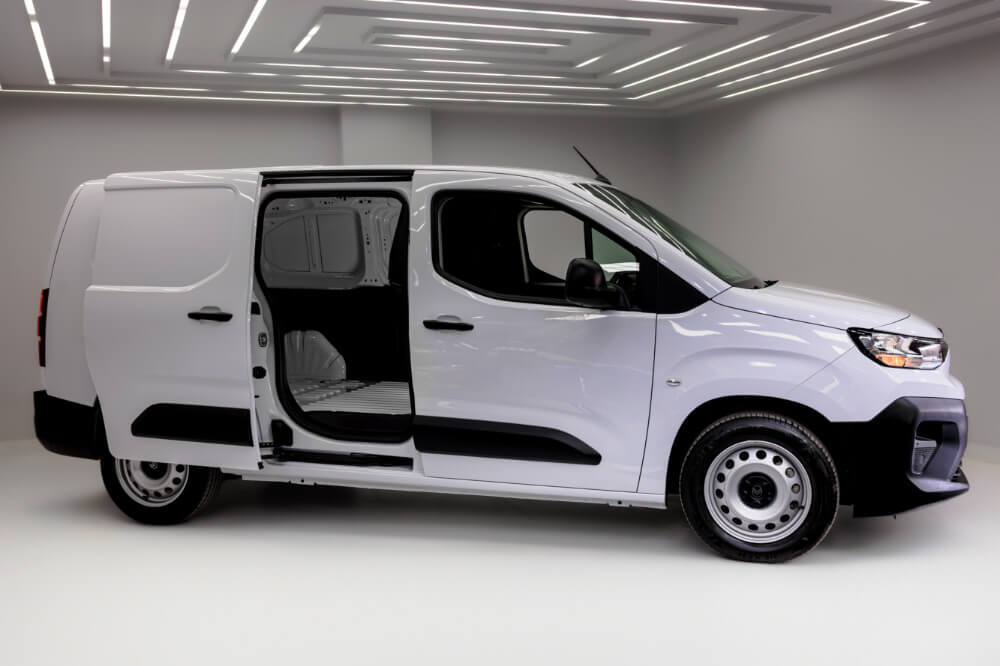
This is a practical mid-size and affordable cargo van that offers multiple diesel engine options for a balance between power and fuel efficiency. It includes modern driver assistance features in recent models. The Jumpy is well-suited for budget-conscious businesses that need a dependable option for moderate cargo tasks. Its engines range from approximately 95 to 180 horsepower, depending on the version, and it provides flexible interior layouts for various needs.

Ford Transit
The Transit cargo van is a widely popular all-purpose cargo van available in numerous sizes, roof, and wheelbase options. It is an adaptable model for a wide range of business requirements. The Ford Transit offers multiple configurations that can serve small local deliveries or large-scale transport operations. It provides strong organization options for securing cargo and benefits from global service support, making maintenance easier. It can accommodate seating from two to fifteen passengers depending on the type, and is available in a variety of cargo and passenger layouts, making it a scalable solution for growing businesses.
How to Match the Cargo Van to Your Business Needs
Start by evaluating the nature of your operations. Consider the types of goods you transport, how often you make deliveries, the distances you cover, and whether you need additional equipment or shelving installed inside the van.
- Small business with frequent urban deliveries: Compact or mid-size vans are often ideal. They are easier to maneuver in tight streets, park in limited spaces, and complete multiple short trips efficiently. Fuel efficiency and low maintenance costs are especially important for daily city driving.
- Business with large or bulky loads: Full-size or extended-length vans are better suited. They provide higher payload capacity, more cargo volume, and additional interior flexibility to handle oversized or heavy items in fewer trips.
- Fuel efficiency requirements: If your operations cover long distances or involve daily deliveries, prioritize vans with better fuel economy. Even a small improvement in miles per gallon can significantly reduce operating costs over time.
- Seasonal or intermittent work: Businesses that operate seasonally or have fluctuating cargo needs should consider vans that are adaptable. Features like removable shelving, modular cargo layouts, or easy upfit options allow the van to accommodate different tasks throughout the year.
How to Choose the Commercial Cargo Van
- Cargo Volume and Payload Needs: Estimate the average size and weight of the items you carry. A van with insufficient cargo space or payload capacity will slow down operations, force multiple trips, and increase fuel costs. Conversely, a van that is too large may be unnecessary, harder to maneuver in tight city streets, and more expensive to maintain.
- Driving Environment and Maneuverability: Think about where you will primarily drive. Urban deliveries may require a compact or mid-size van with tight turning radius and easy parking. If your business involves long highway drives or transporting bulky items, a full-size van with a higher roof and extended length might be more appropriate.
- Fuel Efficiency and Operating Costs: Balance upfront cost with long-term operating expenses. Consider fuel efficiency, maintenance schedules, insurance, and resale value. A slightly higher purchase price may pay off over time if the van consumes less fuel and requires fewer repairs.
- Customization and Upfit Options: Some businesses need custom solutions like shelving, refrigeration units, or mobile workshops. Check which vans offer factory or third-party upfit options that can accommodate your workflow efficiently.
- Driver Comfort and Safety: A comfortable, ergonomically designed cab reduces fatigue, improves productivity, and ensures driver safety. Features like adjustable seats, good visibility, and modern safety systems are especially important for businesses with long daily routes.
- Scalability: Consider your business growth plans. A van that meets today’s needs may not suffice in a year or two if your delivery volume increases. Choosing a flexible platform with multiple configurations can save money and time in the long run.
By carefully matching a cargo van to your operational needs, you can choose a vehicle that truly supports your business every day.
Pros & Cons of Buying vs Leasing vs Rental a Cargo Van
Buying, leasing, and renting a van each involve different financial commitments, levels of flexibility, and responsibilities for maintenance.
- Buying provides full ownership and long-term control over the vehicle. It allows unlimited mileage, full customization, and the ability to upfit or brand the van according to business needs. Over time, ownership can be more cost-effective for businesses with stable, long-term demand. However, purchasing requires a higher upfront investment and places full responsibility for maintenance, repairs, insurance fees and depreciation on the owner.
- Leasing offers lower upfront costs and predictable monthly payments, making it easier to manage cash flow. It allows businesses to operate newer vehicles with modern safety and efficiency features, and maintenance may be partially or fully included depending on the agreement. The main limitations are mileage restrictions, limited customization options, and the absence of ownership at the end of the lease.
- Renting a cargo van is often the most flexible and financially accessible option, especially for small businesses, startups, or companies with fluctuating demand. Monthly rental agreements are typically more cost-effective than short-term daily rentals, offering significantly lower per-day rates when the vehicle is needed for extended periods. Renting also avoids long-term commitments, large upfront payments, and depreciation costs, while maintenance and servicing are usually handled by the rental provider. This makes rental vans particularly suitable for seasonal work, temporary projects, or businesses that want to scale operations without taking on long-term financial risk.
Maintenance and Long-Term Cost Considerations
Regular maintenance is a key for keeping a vehicle reliable and cost-efficient over time. Routine services such as oil changes, brake checks, tire rotation, and fluid inspections help prevent unexpected breakdowns and extend the vehicle’s lifespan, reducing costly repairs and downtime.
Service frequency depends on how the van is used. Vehicles operating in urban environments with frequent stops typically require more frequent maintenance due to increased wear on brakes and suspension. Long-distance driving places greater emphasis on engine and drivetrain care.
Total operating costs include more than fuel. Maintenance, insurance, depreciation, replacement parts, and downtime all affect long-term expenses. Choosing a van with proven reliability and strong service support can significantly reduce these costs, which is why many businesses opt for commercial vehicle rental in Dubai instead of ownership.
Effective maintenance directly impacts profitability. Timely service schedules and fewer breakdowns keep vehicles on the road longer, helping businesses control expenses, maintain steady operations, and maximize long-term returns.
Tips for Maximizing Cargo Van Efficiency
- Maximizing cargo van efficiency starts with smart load management. Organize cargo so that frequently used items are easy to access, and distribute weight evenly to improve handling and reduce strain on the suspension. Using shelving systems, bins, and tie-downs helps prevent shifting loads and speeds up loading and unloading.
- Route planning plays a major role in daily efficiency. Combining deliveries into optimized routes reduces mileage, fuel consumption, and driving time. Using navigation tools that account for traffic and delivery windows can significantly improve productivity, especially for urban operations.
- A regular maintenance schedule is also important. Keeping tires properly inflated, following service intervals, and fixing minor issues early helps maintain optimal fuel performance and prevent unexpected downtime, reducing schedule disruptions and extra costs.
- Driving habits also matter. Smooth acceleration, steady speeds, and reduced idling lower fuel consumption and extend vehicle lifespan. Training drivers to adopt efficient driving techniques can result in noticeable savings over time.
- Use GPS and telematics tools. They track fuel usage, driving behavior, and route efficiency. This data helps optimize operations, reduce costs, and improve overall fleet performance.
- Choose the right setup for your work. Modular interiors, removable shelving, and flexible upfit solutions allow the van to adapt to changing tasks without wasting space or capacity. A cargo van that is configured specifically for your operations will always perform more efficiently than a generic setup.