









































Understanding the origins of the Toyota brand is essential to appreciate its profound role in the global automotive industry. Toyota’s journey from a small weaving loom manufacturer to one of the largest automobile producers in the world reflects innovation, resilience, and exceptional manufacturing practices.
How Toyota Was Founded: From Toyoda Loom Works in 1937 to Toyota Motor Sales Co.
Toyota Motor Corporation was founded in 1937 by Kiichiro Toyoda. It evolved from Toyoda Automatic Loom Works founded by his father Sakichi Toyoda. The Toyoda Loom Works specialized in textile looms. The capital to enter the automotive industry came from selling patents related to the loom business.
Kiichiro Toyoda’s vision led to pioneering efforts in the automotive sector. Under his management, the company took its first steps into manufacturing passenger cars like the Model AA. This transformation laid the groundwork for Toyota’s growth into a leading car manufacturer, renowned for models such as the Corolla, Land Cruiser, and Prius, supported by innovations like the Toyota Production System and expanding manufacturing facilities.
The company’s early focus on quality and innovation helped establish Toyota’s strong position in the global automotive industry.
Where It All Began: The Early History of the Toyota Motor Corporation
Toyota Motor Corporation was founded and headquartered in Toyota City, Aichi Prefecture, Japan. It is an area with a rich industrial heritage and strong resource base. In the 1930s and 1940s, Toyota City’s industrial strength was supported primarily by its steel production facilities, which were essential for automotive manufacturing. The region developed its own steelworks (Toyota Steel Works were established in 1940) to ensure a stable supply of specialty steel needed for car production. This steel resource base, along with the machining plants that produced necessary machine tools, provided Toyota with the materials and manufacturing capabilities crucial for producing automobiles like the Model AA.
The strategic location offered access to skilled labor and infrastructure, facilitating the establishment and expansion of Toyota’s manufacturing facilities. This foundation played a vital role in the history of Toyota, enabling the rapid growth of Toyota Motor Sales and the rise of iconic vehicles like the Corolla and Prius within the global automotive industry.


First Models and Key Innovations
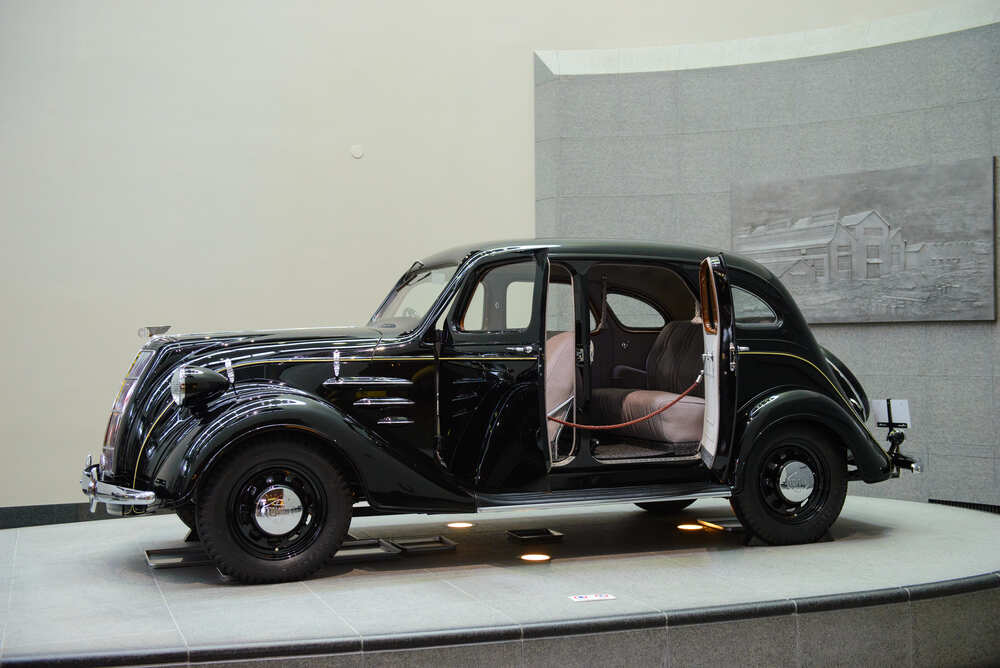
Toyota’s first passenger car, the Model AA sedan, was launched in 1936 by Toyota Motor Company, marking Japan’s serious entry into automotive manufacturing. This fully enclosed four-door sedan featured design influences from Western automotive leaders, notably modeled after Chrysler’s DeSoto Airflow, and incorporated a 3.4-liter inline 6-cylinder Type A engine inspired by Chevrolet’s powerplants.
The Model AA focused on reliability and durability, boasting around 62 horsepower and a top speed of approximately 85 km/h. Its engineering combined practical innovations such as a metal ladder chassis, pressed metal discs on all four wheels, and drum brakes. These features set a strong foundation for Toyota’s future as one of the largest automobile manufacturers.
This model laid the groundwork for Toyota Motor Sales in Japan and beyond, eventually leading to the development of iconic vehicles like the Toyota Corolla, Prius, Land Cruiser, and others that define the rich history of the Toyota Group.
Development Over the Decades
Over the years, Toyota Motor Company has made significant advances in automotive technology and quality improvements:
- 1867: Sakichi Toyoda invents Japan’s first automatic power loom with non-stop shuttle-change motion, starting the Toyoda Spinning and Weaving Company.
- 1926: Toyota Industries Corporation founded to manufacture automatic looms, marking the beginning of Toyota’s industrial ventures.
- 1936: First Toyota passenger car, the Model AA, is produced, starting Toyota Motor Company’s entry into automotive manufacturing.
- 1950s: Establishment of Toyota Motor Sales U.S.A. and beginning exports; adoption of extensive quality control measures.
- 1970s: Development and implementation of the Toyota Production System (TPS), revolutionizing motor manufacturing with Just-In-Time supply and Kaizen continuous improvement.
- 1980s: Development of electronic fuel injection systems, improving engine efficiency and emissions control.
- Late 1980s and early 1990s: Introduction of anti-lock braking systems (ABS) and other early electronic safety features.
- 1997: Introduction of the world’s first mass-produced hybrid vehicle, the Toyota Prius, pioneering hybrid technology.
- 2000s: Expansion of Toyota Safety Sense technologies, integrating advanced driver assistance for improved safety.
- 2014 onwards: Investment and commercialization of hydrogen fuel cell technology with the Toyota Mirai.
- Ongoing: Research and development in autonomous driving, artificial intelligence, and connected vehicle technologies.

These milestones reflect Toyota’s legacy of innovation, quality improvement, and industrial leadership that has shaped it as the largest vehicle manufacturer globally through millions of produced Toyota vehicles and expanding global presence in Toyota Motor Sales Co. and manufacturing operations.
Toyota Production System
The Toyota Production System (TPS) has its roots in Japan’s first power loom invented by Sakichi Toyoda. Toyota began refining TPS between 1948 and 1975 at Toyota Motor Manufacturing plants, including the early production of the Toyota AA passenger car in 1936.
TPS is based on Just-In-Time inventory and jidoka (“automation with a human touch”), emphasizing waste elimination, quality, and respect for creativity. This system revolutionized motor manufacturing by enabling efficient, defect-free production of millions of vehicles, including models like the Toyota Corona, Camry, and later Toyota RAV4, Highlander, Tacoma, and Land Cruiser.
Over 75 years of Toyota’s history, this methodology helped establish Toyota as the largest vehicle manufacturer in the U.S. and worldwide, maintaining strong competition with Ford Motor Company and Nissan.
How Toyota Became One of the Most Popular Car Brands
Toyota Motor Co. has gained global popularity through a strong reputation for reliability, affordability, and practicality. With 75 years of Toyota’s heritage beginning from its establishment as a division of Toyoda Automatic Loom, the company built trust by producing millions of vehicles worldwide, including iconic models like the Toyota Hilux, Camry, Corolla, Yaris, Highlander, Tacoma, RAV4, and Land Cruiser.
Toyota and Lexus continue to lead the automotive industry, with Toyota being the largest vehicle manufacturer globally and maintaining strong sales in the U.S. and other key markets. This success is built on a foundation laid by the early history of Toyota’s first production models, such as the Toyota AA passenger car in 1936, and strengthened by continuous innovation and quality improvement reflected in the 2016 Toyota lineup and beyond.
Iconic Toyota Cars That Shaped the Brand
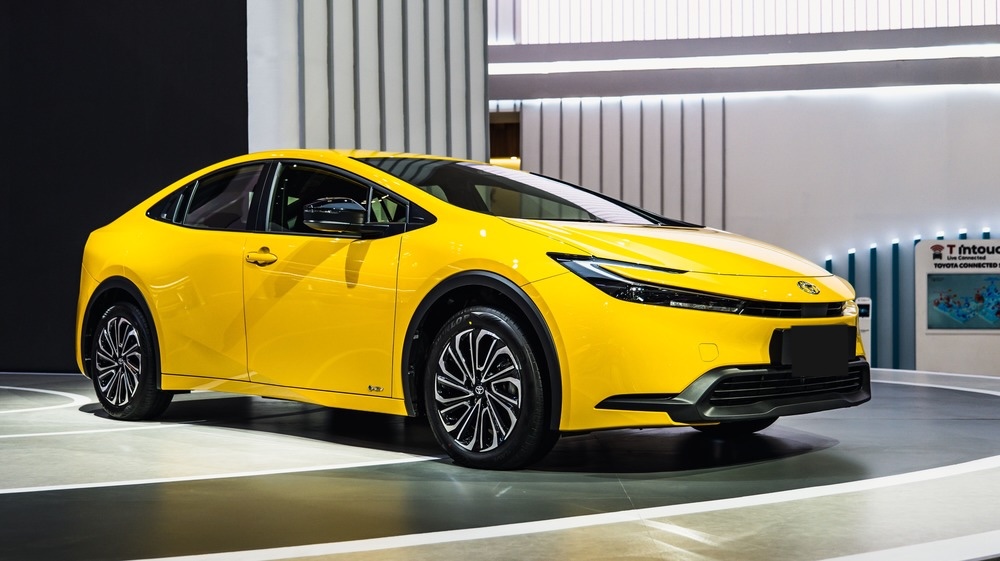
Toyota’s global reputation is embodied in its iconic models, developed through 75 years of Toyota innovation and quality improvements since Toyota was established by Kiichiro Toyoda, the founder of Toyota Motor Co.
- The Toyota Corolla, one of the best-selling cars worldwide, serves as a symbol of reliability and affordability that has defined the brand’s early history and global reach.
- The Toyota Hiace, one of the most widely used commercial vans worldwide, stands as a symbol of durability, practicality, and long-term reliability that has played a key role in the brand’s global expansion and strong presence in business and transport markets.
- The Toyota Land Cruiser features rugged durability and advanced off-road technology, making it a benchmark in its segment and a testament to Toyota Motor Manufacturing’s engineering excellence.
- The Toyota Camry is renowned for comfortable, efficient family driving, continuing Toyota’s tradition of producing millions of vehicles with broad market appeal.
- The Toyota Prius pioneered hybrid technology, leading environmental innovation with world-first hybrid powertrains.
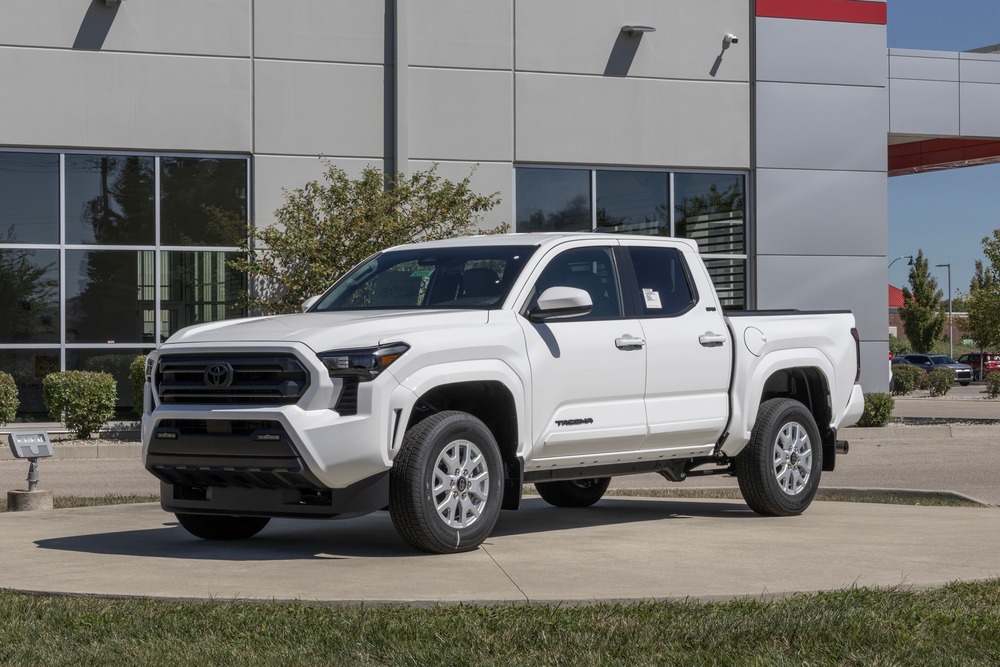
- Other influential models include the Toyota Yaris, Highlander, and Toyota Tacoma, each contributing to Toyota and Lexus’s dominance as the largest vehicle manufacturer worldwide, including a strong footprint in the U.S.
These models and milestones highlight Toyota’s enduring legacy and partnership dynamics with Nissan and competition with Ford Motor Company, reflecting the company’s continuing growth and adaptation through the 2016 Toyota lineup and beyond.
Toyota vehicles, including models like the Toyota Land Cruiser, Toyota Highlander, Camry, and RAV4, are available for easy car rental through Octane Rent. We offer convenient online booking, 24/7 customer support, no security deposit, and well-maintained, insured vehicles. Whether you need a rugged SUV or a comfortable family car, Octane Rent provides flexible rental terms tailored to your needs, making Toyota’s reliable and practical vehicles accessible for short or long stays.
Toyota’s Influence on the Automotive Industry Worldwide
Toyota has significantly influenced automotive technology, particularly with hybrid vehicles. Toyota established high standards for manufacturing quality and efficiency. Its lean production methods have been widely adopted. From a small workshop in Japan, Toyota grew into a leading global automotive powerhouse by combining innovation, discipline, and respect for craftsmanship.