









































- QUICK GUIDE: Super 98 vs Special 95 Fuel in the UAE
- Why Fuel Choice Matters in the UAE
- What Is the Difference Between Special 95 and Super 98 Petrol
- Super 98 Fuel Explained
- Special 95 Fuel Explained
- How to Know Which Fuel Your Car Needs
- What Happens If You Use the Wrong Fuel
- Price Difference Between Super 98 and Special 95 in the UAE
- Super or Special? Fuel Choice and Environmental Impact
- Fuel Choice When Driving a Rental Car
- Which One Should You Choose?
- FAQ
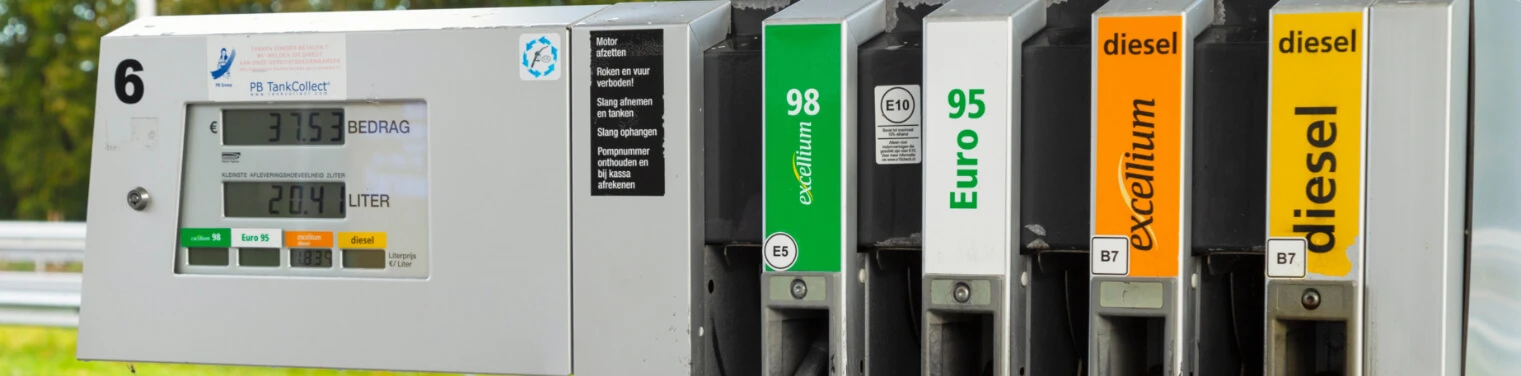
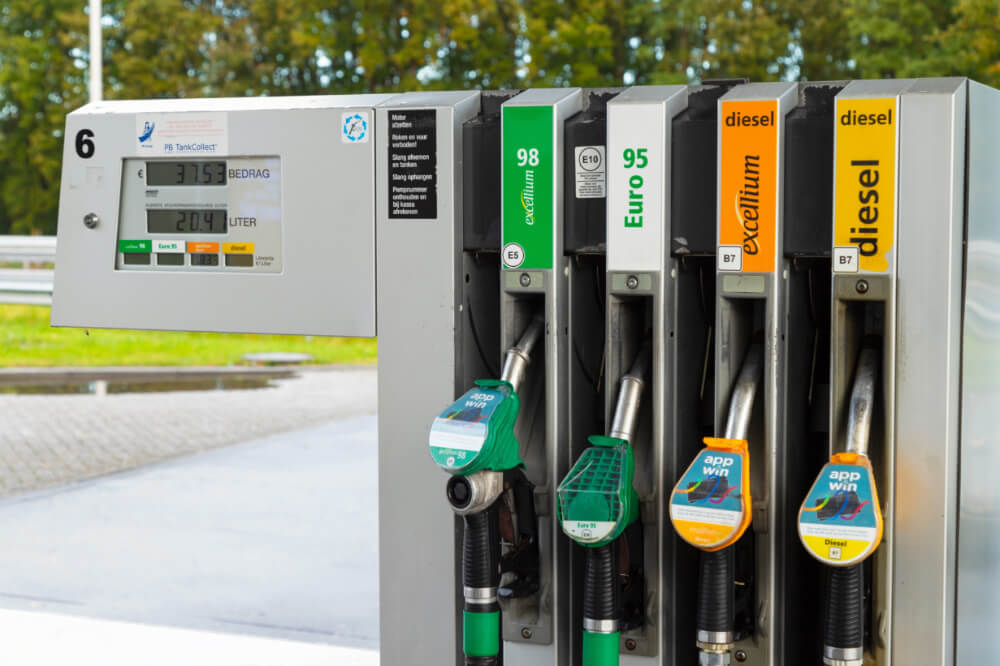
The primary fuel types in the UAE that are in high demand are Special 95 and Super 98 UAE petrol. When comparing Super 98 vs Special 95, the key difference is the octane rating.
- Special 95 has an octane rating of 95, while Super 98 has an octane rating of 98.
- A high octane rating is more resistant to detonation, mainly when the engine compresses the mixture heavily.
In Dubai’s heat and on high-speed roads, the engine overheats more. If the car requires 98 (turbo, premium class, high compression ratio), then 95 will cause knocking, loss of power, and faster engine wear. With 98, the engine runs cleaner and sometimes even has lower fuel consumption.
For most standard cars, Special 95 is sufficient because it is cheaper. Super 98 is more expensive but provides real benefits only when required by the manual. The right gasoline preserves the engine’s life, provides comfort on the highway, and confidence in the heat.
QUICK GUIDE: Super 98 vs Special 95 Fuel in the UAE
The key difference between Super 98 and Special 95 petrol in Dubai and the UAE is their octane ratings, which directly affect engine performance in heat and under load.
- Special 95: Standard petrol for most everyday cars with naturally aspirated engines. Cheaper and fully sufficient if the manual allows 95.
- Super 98: High-octane petrol for turbocharged, high-compression, premium, and performance engines, required for stable operation in heat and at high speeds.
Why fuel choice matters in the UAE:
- Extreme heat increases engine load and the risk of detonation.
- Long highway drives at 120-140 km/h require stable combustion.
- Turbo and premium engines are common and sensitive to fuel quality.




Why Fuel Choice Matters in the UAE
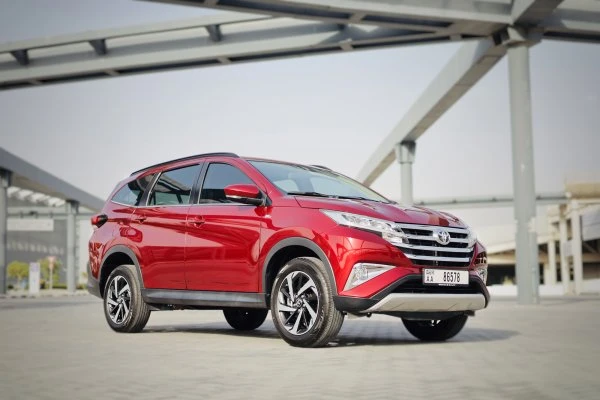
Fuel selection in the UAE is a priority because local conditions significantly affect engine performance.
The temperature here often exceeds 40 degrees Celsius year-round. At such temperatures, the engine is expected to heat up faster. The air will be thinner, and the mixture will be leaner, so the overall risk of detonation will increase. Low-octane petrol in the UAE can cause knocking and overheating.
Across the UAE, highways have speed limits of 120-140 km/h, and many drivers go faster than that. Long trips of 200-400 km without stopping are very common. When overtaking or in traffic, the engine is under load, and incorrect fuel immediately affects power output or fuel economy.
Additionally, there are many modern versions of vehicles such as the Patrol, G-Class, or performance models with turbocharged engines. They have high compression ratios and turbines that require Super 98. If you fill with 95, the fuel may negatively affect engine operation, leading to detonation, reduced engine life, and sometimes a check engine error.
Choosing the right fuel in UAE helps the engine run smoothly in hot weather. In the UAE, select the fuel type recommended by your model’s manufacturer to maintain power on the road and extend engine life.
What Is the Difference Between Special 95 and Super 98 Petrol
The main difference between special and super petrol in the UAE is the octane rating. Special 95 has an octane rating of 95, while Super 98 has an octane rating of 98. This octane level shows how well the fuel resists knocking in the engine.
- Higher-octane fuel, such as Super 98, can withstand higher compression ratios before autoigniting.
- Lower-octane fuel, such as Special 95, ignites earlier at the same pressure.
Detonation occurs when fuel ignites spontaneously under high compression, rather than by a spark plug. It sounds like a knocking in the engine, the car’s acceleration becomes uneven, it loses power, and the engine wears out faster. Higher octane protects against this better, whereas lower octane does not.
Super vs. special fuel short comparison:
- Super 98 is suitable for engines with a high compression ratio, such as turbocharged engines in powerful premium cars (BMW, Mercedes, Toyota Land Cruiser, Nissan Patrol with turbo) and sports cars. In such engines, the mixture is compressed to a high compression ratio, and high-octane fuel is required to prevent knocking.
- Special 95 is suitable for conventional naturally aspirated engines in most mass-produced cars (sedans, crossovers without turbochargers, older models). Here, the compression is lower, and 95 is sufficient.
The difference between the two is simple: if your car requires Super 98, use only that; the engine will run smoothly and last longer. If you use Special 95 in such an engine, you will experience knocking and other issues. In a regular car, Super 98 is simply overpriced and almost impossible to notice any difference.
Super 98 Fuel Explained
Super fuel with 98 octane is designed for cars with high-performance, forced-induction engines. These include sports cars, premium models, and luxury cars (Mercedes, BMW, Audi, Porsche); large SUVs such as the Nissan Patrol and Toyota Land Cruiser with turbochargers; and any vehicle with a high-performance engine.
Why is higher octane fuel needed? These engines compress the mixture heavily to produce more power. Regular gasoline can explode prematurely in them, causing the engine to knock, lose traction, and wear out faster. Using super 98 octane fuel allows the mixture to withstand high compression without self-ignition, as the spark fires at the right time and combustion is smooth.
Many modern premium cars require super 98. This improves engine performance: it delivers full rated power, accelerates faster, and maintains stable traction at high revs. Fuel consumption can be lower because combustion is more efficient.

In summary, sports and luxury cars require Super 98 premium fuel to ensure the engine runs as intended.
Special 95 Fuel Explained
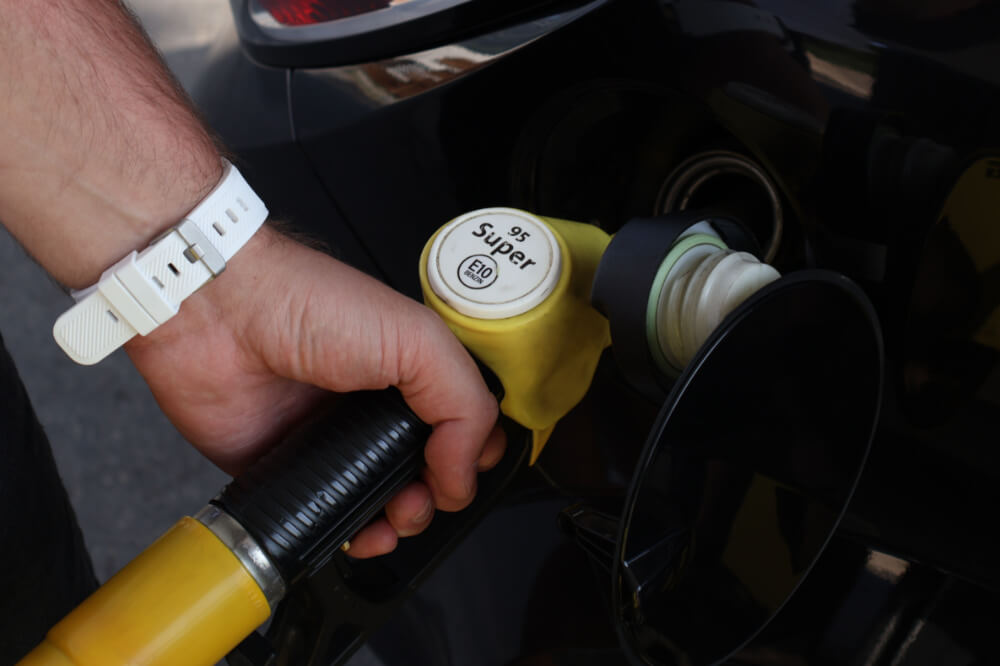
Special 95 petrol with 95 octane is the most versatile and popular gasoline in Dubai. It is the standard choice for most everyday cars, including sedans, crossovers, and family cars such as the Toyota Camry, Honda Accord, Mazda CX-5, Hyundai Tucson, and many others.
Special 95 is suitable for conventional naturally aspirated engines without turbochargers and with a normal compression ratio. Lower octane fuel is acceptable here, and there is no risk of detonation. The engine runs smoothly and quietly.
This fuel is designed for an exceptional balance: it is cheaper than Super 98 but delivers good fuel efficiency and economy. Fuel consumption is normal, power is not lost, and the engine lasts a long time.
If the manual says 95 or “minimum 95,” you can safely choose Special 95.
How to Know Which Fuel Your Car Needs
To choose the right fuel type for your car, always start with the information provided by the manufacturer. Here’s how you can find it step by step:
- Check the fuel filler cap or the inside of the fuel door: Most cars have a clear label on the inside of the fuel filler flap or on the cap itself. It usually says something like “Unleaded Petrol Only”, “95 RON Minimum” or “Premium Unleaded Recommended”. This is the quickest and most reliable way to see the recommended fuel type.
- Look in the owner’s manual: Open the car’s service booklet or owner’s manual and find the section about fuel requirements. It will clearly state the specification for the vehicle (for example, 95 or 98) and sometimes even the preferred type (regular or premium). This is the most accurate source.
- Check the dashboard or instrument cluster. Some modern cars display a small message or warning when you start the engine if the fuel you used does not match the recommended fuel type. This can serve as a reminder.
Practical tips for choosing the fuel։
- If the manual or fuel door says “95” or “Unleaded 95 minimum”, then Special 95 is enough.
- If it says “98” or “Premium unleaded only/recommended,” your car requires Super 98.
- If it says “95 or higher,” you can use either Special 95 or Super 98. Both are safe, but 95 will be more economical.
Choosing the right fuel is simple: follow what the car itself tells you. The fuel the manufacturer designed for your engine’s specific conditions will deliver the best combination of performance, economy, and long-term reliability. When in doubt, the label on the fuel door and the owner’s manual are the two places you can always trust. Using the recommended fuel type is usually better for your car than trying to save money with a lower grade or spending extra on a higher grade that your engine doesn’t need.
Once you know the requirements, choosing the fuel for your vehicle becomes easy.
What Happens If You Use the Wrong Fuel
Using inappropriate fuel does not usually cause immediate failure, but it changes how the engine operates under load and heat. Over time, this can affect reliability and efficiency. Below are the main risks explained in clear, practical terms.
- Engine Knock (Detonation): When fuel is not matched to the engine’s requirements, it can ignite too early or unevenly. This is known as engine knock. Instead of burning smoothly, the fuel combusts uncontrollably, causing sharp pressure spikes in the cylinders. Modern engines can partially compensate using sensors and timing adjustments, but this is a corrective measure, not a solution. Repeated knocking places extra stress on pistons, valves, and bearings. Engines designed for special operating conditions or higher loads are susceptible to this issue, which is why fuel recommendations matter.
- Overheating Under Load: Fuel that is insufficiently resistant to premature ignition under heat and pressure can raise combustion temperatures. In hot climates and during highway driving, this may cause localized overheating within the combustion chamber. While the cooling system manages the engine’s overall temperature, internal hotspots still affect components such as spark plugs, injectors, and valve seats. Over time, this reduces efficiency and forces the engine to work harder to maintain the same performance level.
- Long-Term Engine Wear and Health: The most significant impact of using the wrong fuel appears gradually. Continuous operation with fuel outside the recommended specification affects engine health by accelerating wear on internal parts. The engine control unit may reduce power output or adjust ignition timing to protect components, but this also reduces efficiency and makes the vehicle less responsive. Choosing the right fuel helps the engine maintain stable combustion, consistent performance, and a longer service life, precisely as intended by the manufacturer.
Price Difference Between Super 98 and Special 95 in the UAE
In the UAE, Super 98 is slightly more expensive than Special 95. Super 98 is designed for high-performance engines, while Special 95 is intended for standard engines used in everyday driving. The price difference often reflects variations in fuel performance and the ways each option supports different engine designs.
Prices are subject to change, and these petrol costs are provided for illustrative purposes only. Drivers should always check official sources for current rates. Typical prices are:
- Super 98: around 2.70 AED per liter
- Special 95: around 2.58 AED per liter
The average fuel price gap is approximately 0.12 AED per liter in favor of Special 95, although this can fluctuate monthly following official UAE announcements. Over long distances, this difference may affect overall fuel efficiency. It is important to choose the correct fuel for your car based on manufacturer recommendations rather than price alone.
Super or Special? Fuel Choice and Environmental Impact
The impact of fuel on the environment is primarily linked to how efficiently it burns inside the engine. When fuel combusts in a stable and controlled way, the engine operates more smoothly and produces fewer unburned particles. This results in more consistent emissions and a cleaner overall process.
Different fuels behave differently depending on their formulation and octane level. Using fuel that matches the engine’s design allows combustion to occur at the correct time and temperature, which helps limit unnecessary exhaust output. In contrast, an unsuitable fuel may burn unevenly, increasing emissions even if the car appears to be running normally.
It is also important to consider the technical condition of the vehicle. A well-maintained engine with clean injectors, proper ignition timing, and a functioning exhaust system will always produce fewer emissions than a poorly maintained one. Making the right fuel choice, combined with regular servicing, supports stable combustion and reduces the overall environmental footprint of everyday driving.
Fuel Choice When Driving a Rental Car
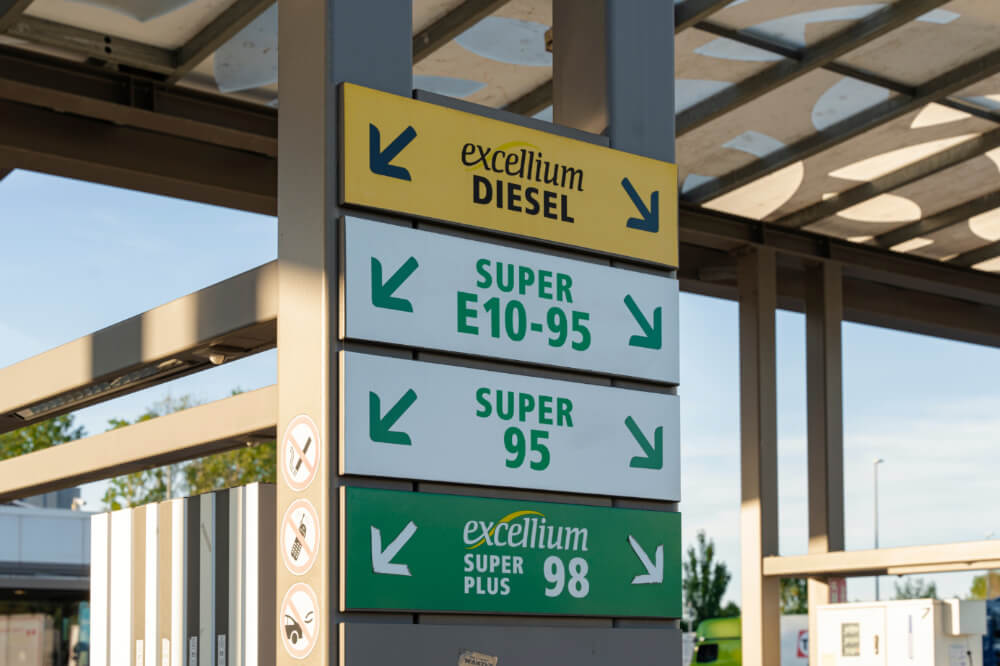
When driving a rental car, it is especially important to use the recommended type of fuel in the UAE specified by the vehicle manufacturer. Rental fleets operate with different models and engines, and selecting the correct fuel grade helps guarantee proper engine operation throughout the rental period.
There are several fuel options in the UAE, and multiple grades of fuel and grades of petrol are widely available in the UAE at most filling stations. For this reason, drivers should always confirm which option is required before refueling.
When renting a car from Octane.Rent, the correct fuel information can be easily checked in the rental documentation or on the fuel filler cap. It is very convenient that Octane.Rent works 24/7, and if you have any questions or difficulties, you can always contact customer support and ask them any questions.
Which One Should You Choose?
This article explains in detail what to choose: super or special, 95 or 98? Choosing the right fuel helps preserve your engine, improve your driving experience, and optimize your fuel expenses on UAE roads. Here is a summary of the choice between special 95 and super 98:
- Super 98 is specified in high-performance and premium cars.
- Special 95 is perfect for most city and family cars.
We advise drivers to use fuel as specified in the car owner’s manual. The main difference between special and super is the octane rating; you should always follow the manufacturer’s recommendations. If you prefer not to worry about these details, rent a car in Dubai is a convenient option, as rental vehicles are maintained according to manufacturer specifications and ready for safe, efficient driving on local roads.