






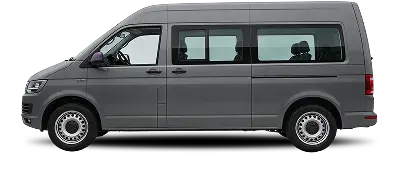
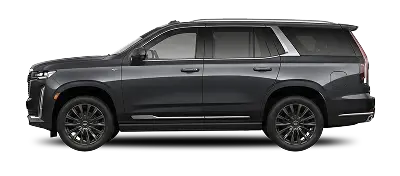
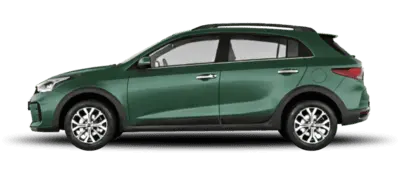
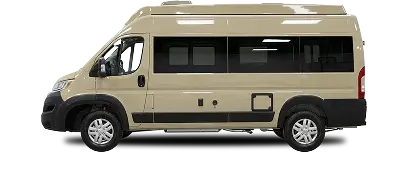























Purchasing a fleet vehicle or an entire fleet is a strategic business decision that impacts financial planning, daily operations, and overall fleet management efficiency. Understanding the pros and cons of ownership helps companies decide whether to buy fleet vehicles or lease vehicles based on their goals, budget, and operational scale.
Owning a new vehicle or even used fleet vehicles offers greater control over mileage, usage policies, and maintenance standards. However, every fleet investment comes with a disadvantage, from higher upfront costs to ongoing service and depreciation management. This comparison of the strengths and weaknesses of ownership provides insight into how businesses can build a sustainable and cost-effective transportation strategy.
What Does It Mean to Buy Fleet Vehicles
Buying fleet vehicles means that the company takes full ownership of its transportation assets. It’s quite different from leasing or renting them. The concept can be defined through three key aspects:
- Company ownership. The fleet vehicles are purchased outright and belong to the organization, allowing complete control over how each vehicle is used, maintained, and replaced, no matter if it is a new vehicle or part of a used fleet.
- Full management responsibility. Through direct fleet management, the company handles all operations, including maintenance, insurance, documentation, and replacement schedules. This involves monitoring mileage, ensuring regular service, and budgeting for long-term performance and depreciation.
- Impact on company balance sheet. Because the fleet is owned, its vehicles appear on the company’s balance sheet as assets. Both the value and the depreciation of these fleet vehicles are tracked in financial reports, influencing the company’s overall asset profile and profitability.
In essence, owning a fleet (no matter if composed of new or used fleet vehicles) gives businesses independence and control, but also introduces additional financial and managerial responsibilities that must be weighed against alternative options like leasing.



The Pros of Buying Fleet Vehicles
Owning a fleet of vehicles is a strategic choice that offers long-term control and cost stability for businesses. When purchasing fleet vehicles, companies gain valuable independence in fleet operations and decision-making, especially compared to fleet leasing or relying on rental cars. Understanding the pros and cons of buying helps determine if this strategy suits your fleet needs and operational model.
Full Ownership and Asset Control
Buying vehicles outright gives a company direct control and flexibility in managing its fleet operations. The key advantages include:
- Full control over owned vehicles. With direct fleet ownership, the fleet manager can decide how work vehicles are used, scheduled, and replaced without waiting for approval from a leasing company.
- No limits on fleet usage. Unlike a leased car or fleet leasing arrangement, there are no restrictions on business mileage, routes, or odometer readings.
- Freedom of branding and upgrades. Companies can easily brand each corporate fleet vehicle, modify interiors, or upgrade components to match operational or promotional goals, maximizing efficiency in day-to-day fleet operations.
Long-Term Cost Predictability
Owning a vehicle fleet provides a clear advantage in financial planning, giving businesses greater control over their total cost of ownership. Key benefits include:
- No recurring lease payments. After purchasing a vehicle, there are no monthly leasing costs or interest fees. This is a major benefit compared to fleet leasing or rental cars.
- Transparent cost structure. Owned vehicles have predictable maintenance costs, including fuel, wear and tear, and maintenance and repair services. With good planning and regular fleet maintenance, expenses remain manageable.
- Better long-term value. Even though every vehicle depreciates over time, ownership often proves more cost-efficient for small businesses. Using tools like fleet management software can help track costs, plan maintenance, and extend the lifespan of assets.
Customization for Business Needs
Purchasing fleet vehicles allows companies to tailor their assets to precise operational goals. The main benefits include:
- Purpose-built for business use. Organizations can buy a vehicle or choose used vehicles suited to specific requirements, from personal vehicle alternatives for employees to specialized delivery or service vans.
- Access to specialized or modified models. Businesses can choose new or used fleet vehicles designed to handle unique workloads or environments. For example, a construction firm may buy pickup trucks with reinforced suspension, a delivery company might use refrigerated vans with added shelving, and a corporate service provider could select premium sedans or SUVs to project a professional image.
- Integration into workflows. A customized corporate fleet vehicle can be integrated into daily operations, supporting efficiency and professional presentation across multiple vehicles in the fleet.
The Cons of Buying Fleet Vehicles

While owning a fleet vehicle can bring long-term control and independence, it’s not always the right choice for every business. Fleet ownership has both advantages and disadvantages, and for many smaller companies or franchises, the drawbacks of buying may outweigh the pros of buying. When deciding whether to lease or buy, organizations should carefully review the costs and operational challenges to consider before committing to full ownership.
High Upfront Investment
Purchasing a fleet of vehicles requires a substantial financial commitment upfront.
- Significant capital costs. Purchasing a fleet demands large initial spending, unlike leasing options, which spread costs over time.
- Frozen funds. The money used to buy vehicles outright is locked into physical assets and can’t easily be redirected to other projects.
- Impact on cash flow. These upfront investments can strain liquidity, limiting flexibility and spending on other priorities such as expansion, marketing, or a car allowance program.
Depreciation and Resale Risk
All fleet vehicles tend to lose value as they age, regardless of how well maintained they are.
- Loss of value. Every vehicle depreciates over time, reducing its resale potential compared to newer models.
- Uncertain resale prices. Even a well-maintained used car with a clear vehicle history can face unpredictable resale values due to market trends or changing manufacturer’s technology.
- Market influence. Factors such as fuel economy, emissions standards, and the availability of benefits of leasing from a rental car company can all affect resale timing and pricing.
Maintenance, Repairs, and Downtime
Owning a fleet means taking full responsibility for ongoing use of fleet vehicles, maintenance, and unexpected breakdowns.
- Responsibility for servicing. Every company car requires scheduled upkeep, adding to operational complexity and total vehicle ownership costs.
- Unexpected repairs. Daily wear, high mileage, or driver-related damage can increase maintenance costs.
- Business downtime. Each hour a fleet vehicle is off the road affects productivity and service continuity. This is particularly true for franchise or logistics-based businesses that rely heavily on work vehicles.
Administrative and Operational Burden
Managing a large number of owned vehicles also increases administrative complexity.
- Insurance management. Each corporate fleet vehicle requires its own coverage, renewals, and claims processing. While businesses can deduct interest expenses, insurance and compliance still demand dedicated oversight.
- Registration and compliance. Renewal of titles, inspections, and keeping up with local regulations adds more time and cost pressure.
For businesses uncertain about long-term stability or scalability, leasing options and even rental car company solutions may provide more flexibility. A vehicle is a good idea for stability only when there are resources to manage it well. Otherwise, the benefits of leasing may present a more efficient path.
Buying Fleet Vehicles vs Flexible Fleet Solutions
Choosing between owning a fleet and adopting flexible alternatives depends on a company’s goals and resources. Purchasing a fleet can be cost-effective for stable operations, but flexible models offer agility when conditions change. Each option has pros and cons to consider.
When Buying Fleet Vehicles Makes Sense
There are several scenarios where fully owning a fleet makes strategic sense:
- Stable business operations. Established companies with consistent demand can justify ownership because fleet vehicles are often a long-term asset that supports steady performance.
- Predictable utilization. When vehicle usage is regular and costs to consider are well understood, ownership provides clarity and financial control.
- Long-term planning. Businesses with stable cash flow and clear multi-year forecasts can benefit more from ownership than from a lease model.
- Specialized vehicle requirements. Businesses that depend on uniquely equipped or customized vehicles often find purchasing more practical than renting.
When Buying Fleet Vehicles May Limit Growth
However, full ownership is not always the best fit for every organization:
- Fast-growing companies. Rapid expansion requires mobility and scalability, making flexible solutions more attractive.
- Project-based operations. For companies where vehicle usage fluctuates, owning may tie up resources. Otherwise, the company could reduce fleet size during slow periods.
- Flexibility needs. Businesses that depend on short-term use benefit from adaptable models that work better.
- New market entry. When testing new regions or service areas, short-term use models provide a safer strategy.
Alternative Fleet Models for Modern Businesses
Modern companies increasingly mix traditional ownership with flexible mobility solutions tailored to their unique needs:
- Leasing. Best suited for businesses seeking balance between control and flexibility, allowing easier upgrades or downsizing.
- Long-term rental. Fits well for companies that need temporary capacity without the commitments of ownership.
- Subscription-based fleets. Provide ongoing access to vehicles that are often replaced or updated, ensuring continuous performance with predictable costs.
Fleet Strategy for Large Rental and Corporate Fleets

For large operators managing numerous fleet vehicles, such as corporate or rental enterprises like Octane.Rent, choosing between ownership and flexibility is especially critical. These organizations often blend several models to:
- Optimize capital use. Combining ownership with flexible access options to balance investment and liquidity.
- Reduce operational risk. Allowing for scalable fleet adjustments to meet seasonal or market-driven demand shifts.
- Maintain high availability. Ensuring that fleet vehicles are ready for deployment across multiple divisions or service categories.
Buying a fleet vehicle is a good strategy for those who value long-term control. But for businesses that require flexibility or rapid growth, alternative use models often involve fewer costs and greater operational freedom. Ownership isn’t one-size-fits-all — its effectiveness depends on a company’s structure, market rhythm, and mobility strategy. With Octane.Rent, companies can choose corporate car rental Dubai as a flexible solution that supports growth, reduces asset-related risks, and simplifies fleet management without long-term ownership commitments.