









































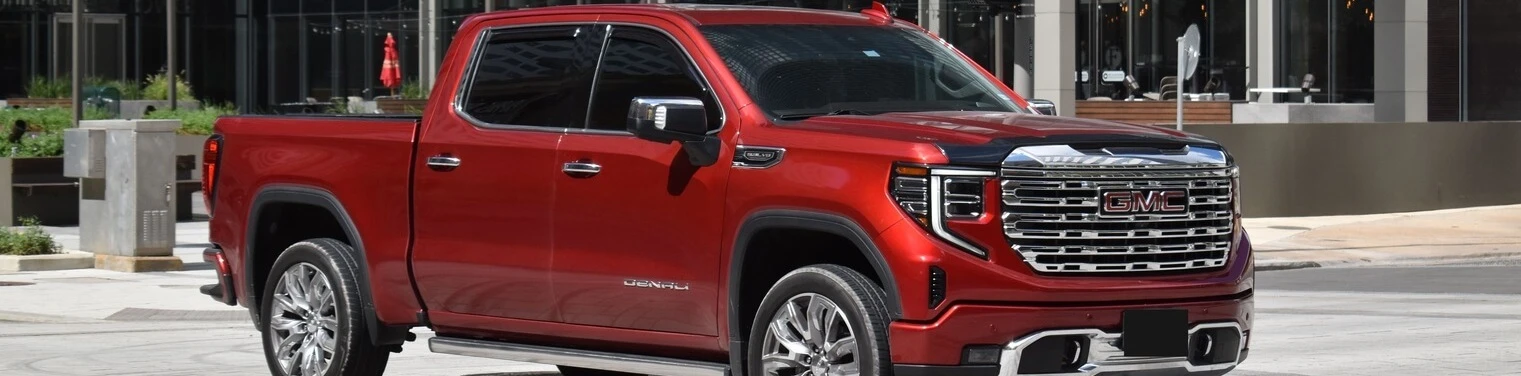
In the automotive industry, pickup trucks, SUVs, and semi trucks represent very different vehicle types, each engineered for a distinct purpose. While pickup trucks are built for both work and lifestyle flexibility, SUVs focus on comfort and family transport, and semi trucks dominate heavy-duty hauling across regions. Understanding their capabilities helps buyers and businesses choose the right model for 2026 and beyond.
Understanding Pickup Trucks
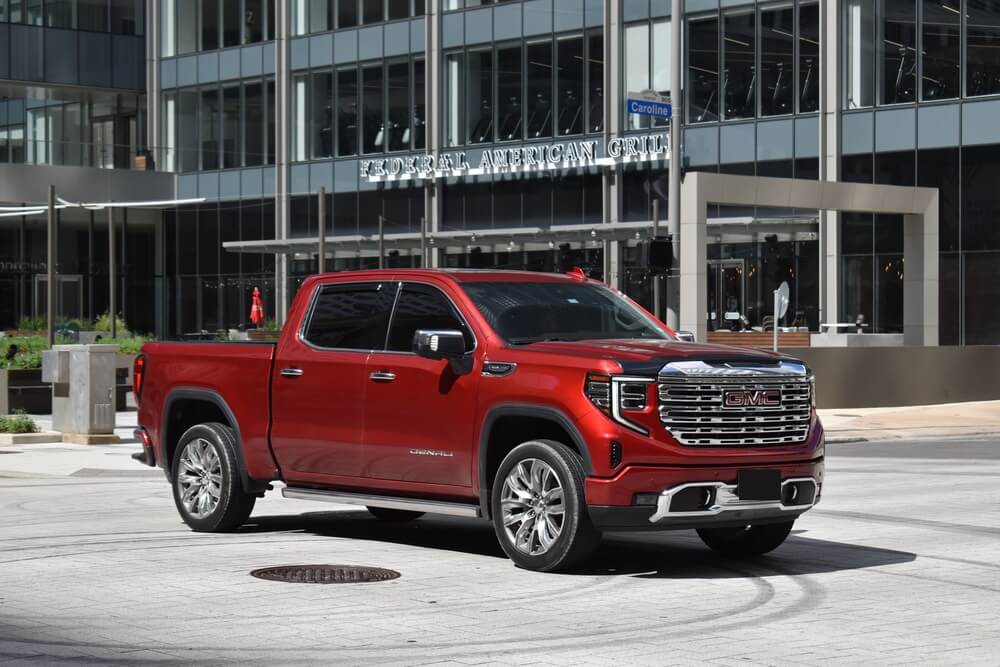
What is a Pickup Truck?
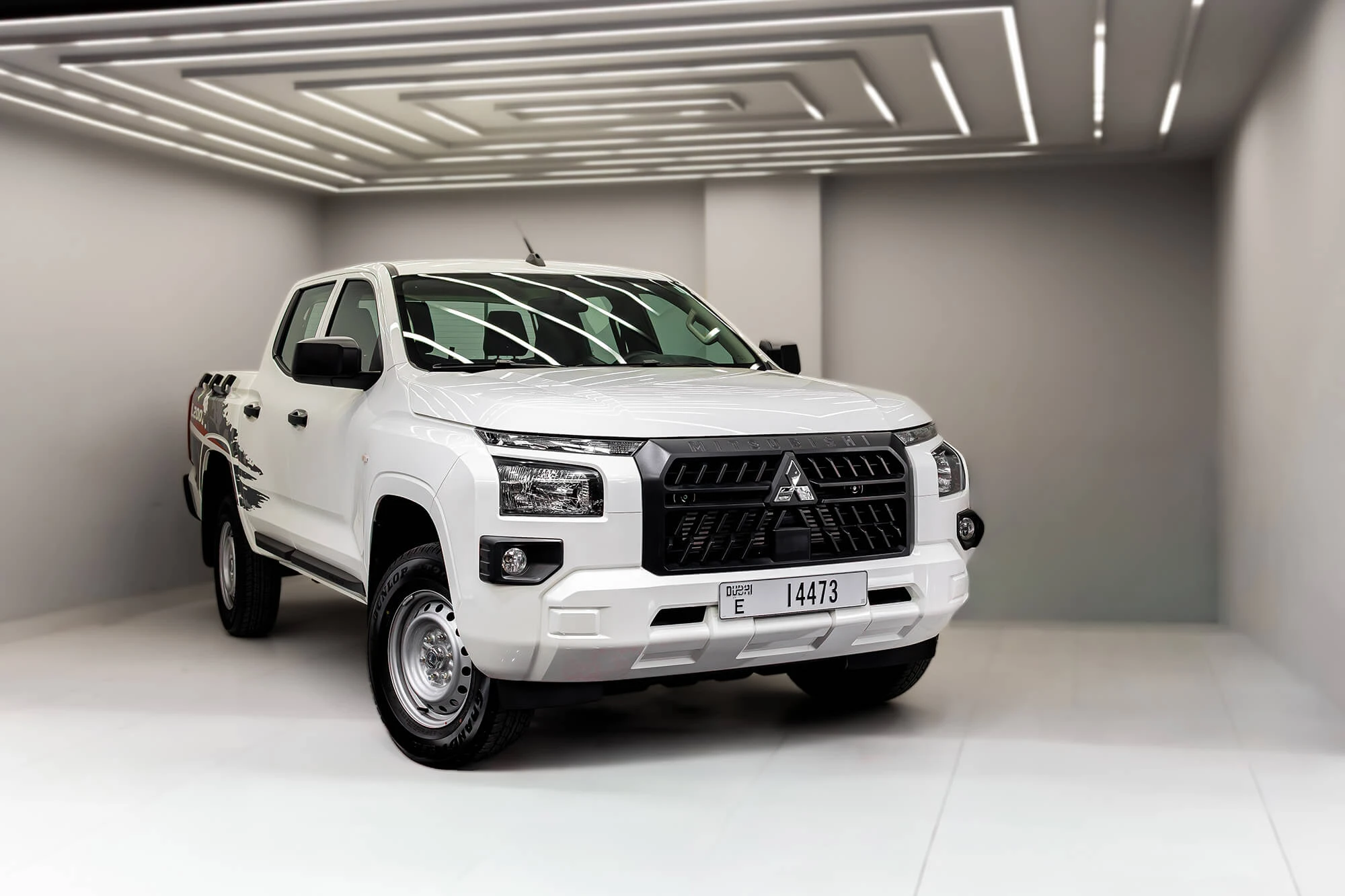
A pickup truck is a light‑duty vehicle that combines a cab for passengers with an open cargo bed for goods, tools, or equipment. Pickup trucks are designed for both urban commuting and rural work environments, offering utility and comfort in one package. Some of the most popular models include the Toyota Hilux, Ford F‑150, Chevrolet Silverado, Toyota Tacoma, and Ford Ranger.
Types of Pickup Trucks: Compact vs. Full‑Size
Pickup trucks come in several categories designed to handle different driving and work requirements.
- Compact pickups, like the Ford Maverick or Toyota Tacoma, offer practical fuel efficiency, easy parking, and decent payload capacities for lighter jobs.
- Full‑size pickups, such as the Chevrolet Silverado and Ford F-series, handle heavy loads, larger cargo, and stronger towing and hauling demands.
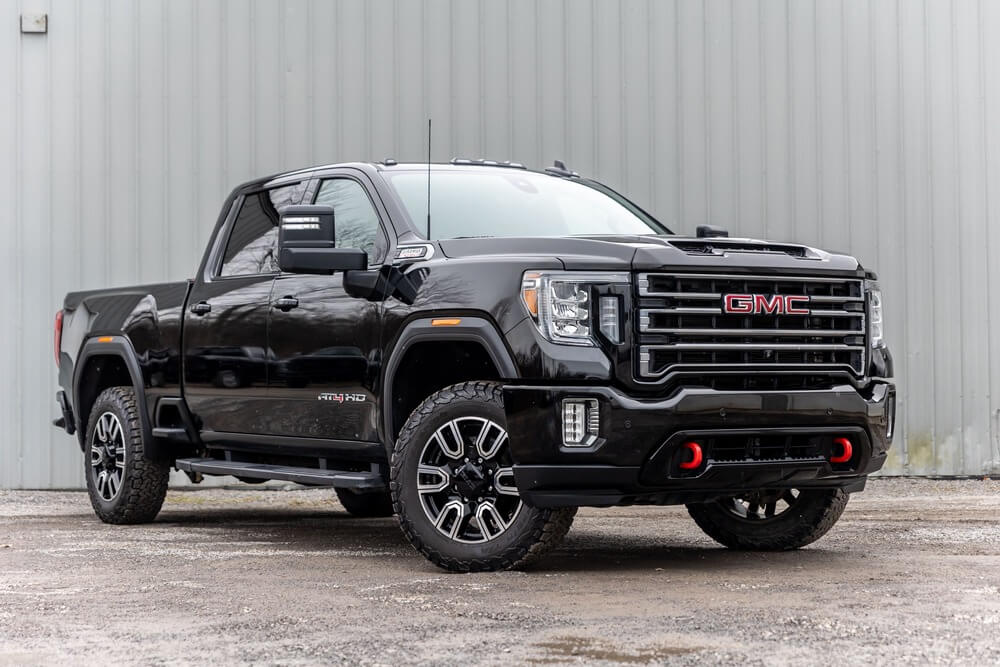
- Heavy‑duty pickups are built with reinforced suspensions, stronger drivetrains, and higher lb‑ft of torque to manage heavy-duty operations, including transporting large materials or equipment.
Together, these classes ensure there’s a pickup suitable for every purpose, from daily driving to professional heavy transport.
Towing Capacities of Pickup Trucks
Modern pickups excel at towing and hauling. Depending on the engine, drivetrain, and size, towing capacities can range from 3,000 to over 14,000 pounds. Full-size pickup models like the Ford F-150 or Chevrolet Silverado can tow trailers or boats with ease, while compact pickups focus more on versatility and fuel economy.
Some pickup trucks are known for offering adaptive cruise control, trailer sway assist, and advanced stability tech to make towing safer even across challenging terrain.




Exploring SUVs
What Defines an SUV?
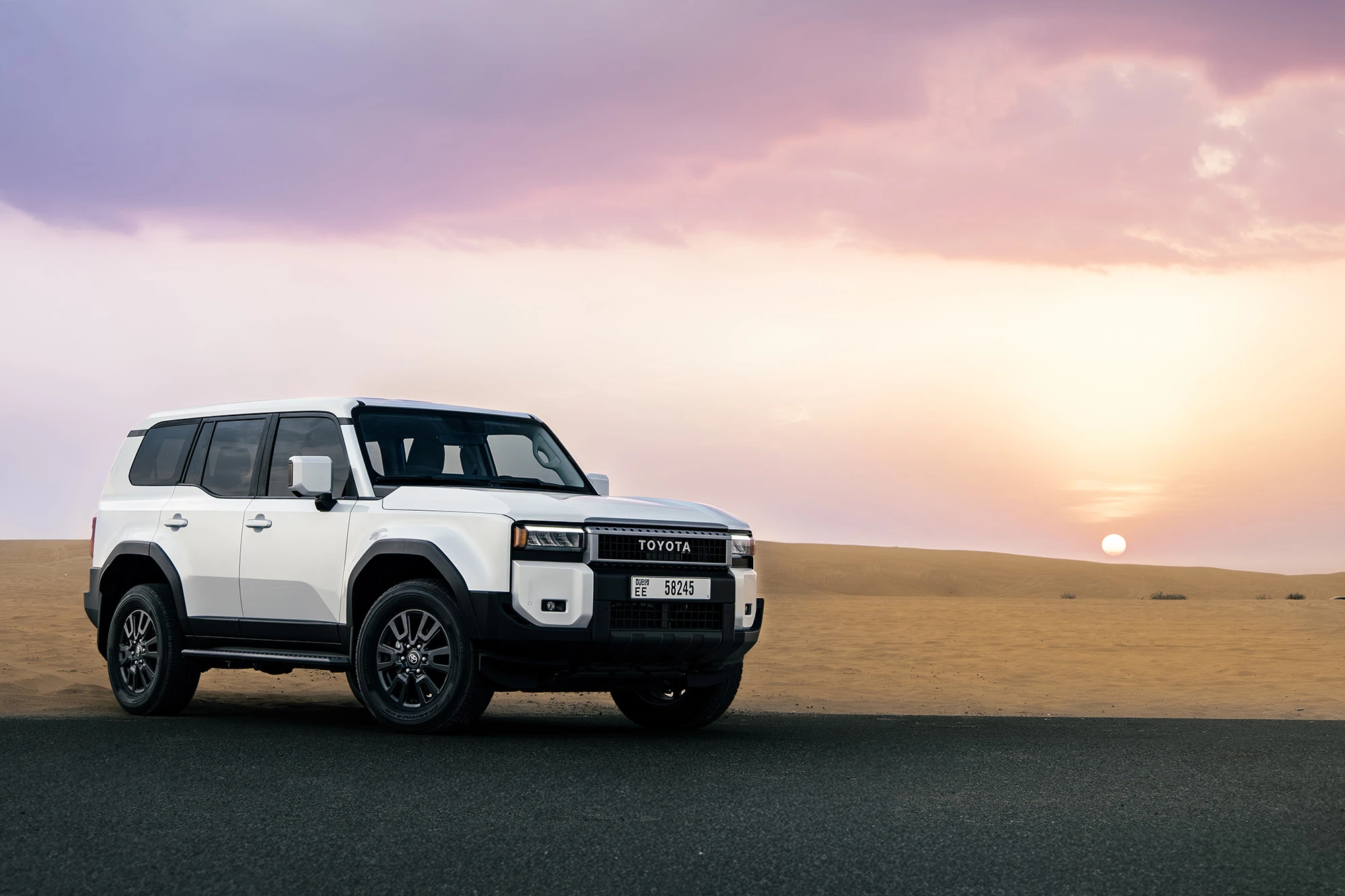
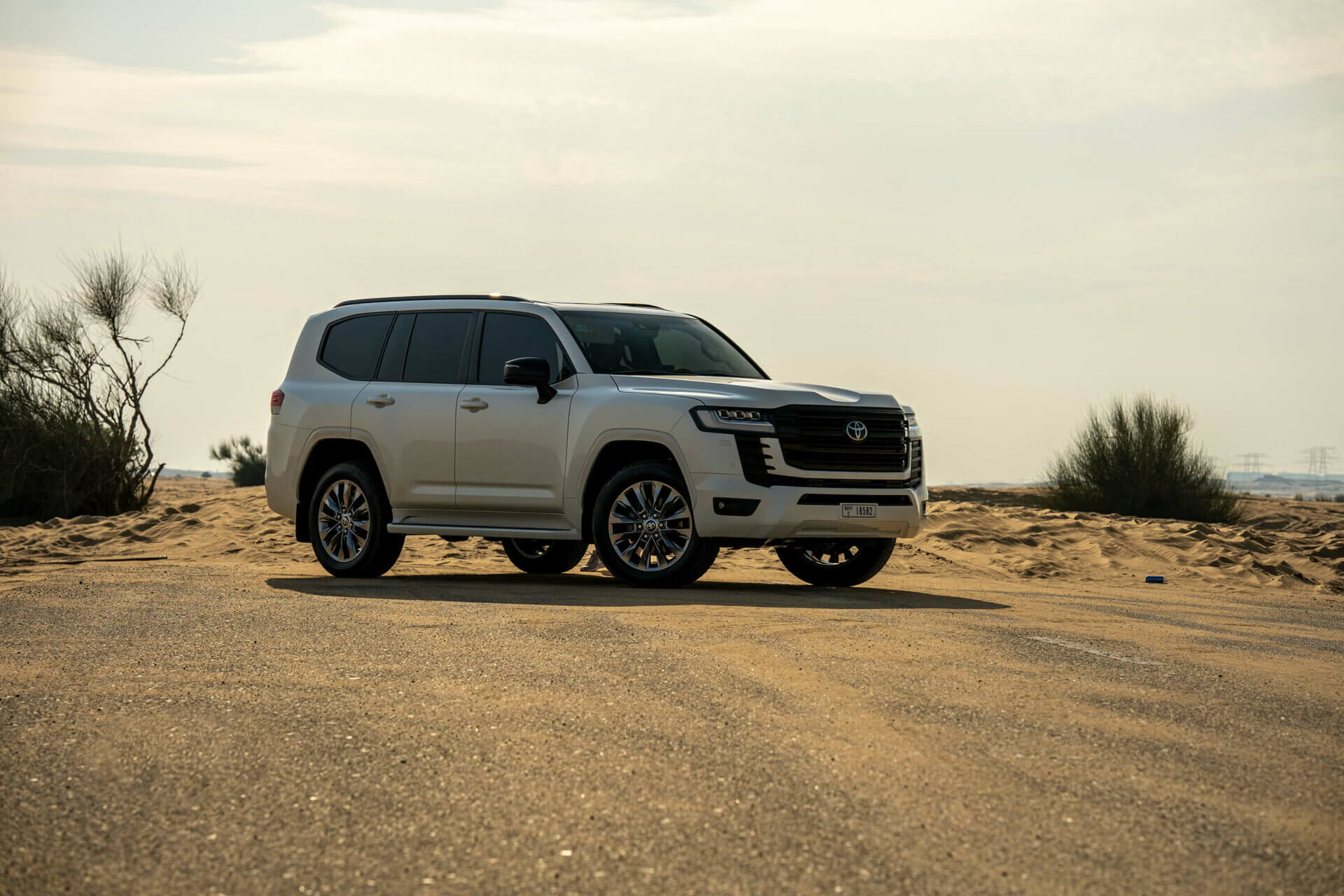
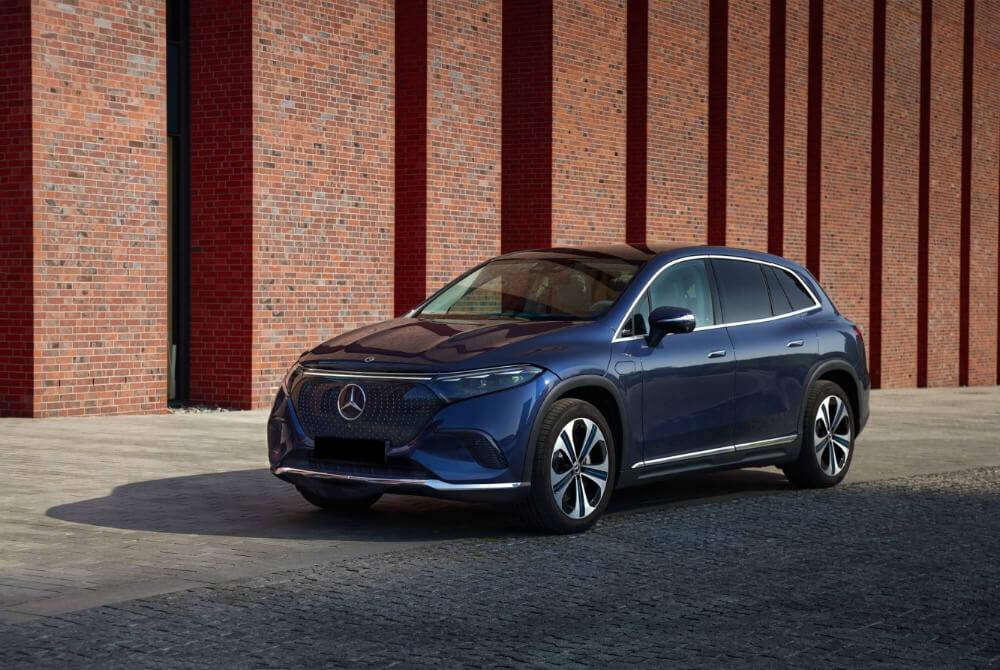
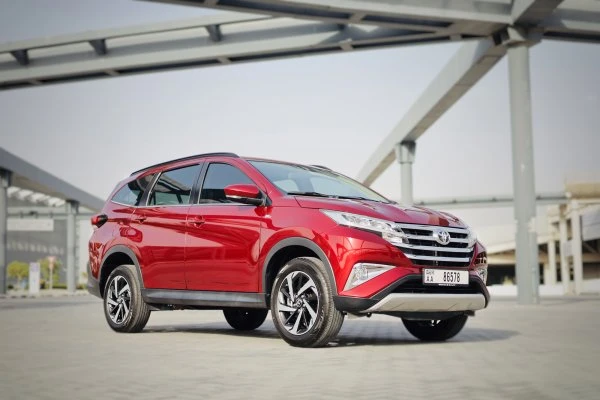
An SUV (sport utility vehicle) is built with a closed compartment rather than an open cargo bed, focusing on passenger comfort and moderate cargo space. SUVs are ideal for family commutes or weekend adventures, combining smooth ride quality with moderate off‑pavement capabilities.
Fuel Efficiency in SUVs Compared to Pickup Trucks
SUVs generally deliver better fuel economy than full-size pickups, with higher miles per gallon thanks to smaller engines and lighter frames. However, pickup trucks are generally catching up. Newer turbocharged and EV variants match many SUVs in efficiency. The arrival of electric pickup trucks, such as the Ford F‑150 Lightning, will further narrow the gap by 2026.
For example, modern midsize SUVs average around 25 to 32 miles per gallon (approximately 9–11 liters per 100 km), while traditional full‑size pickups typically achieve 18 to 22 mpg (about 11–13 liters per 100 km). However, new hybrid and electric models are shifting these figures. The Ford F‑150 Lightning offers an estimated 240 to 320 miles (385–515 km) of range per charge, and turbocharged pickups like the Ford Ranger or Toyota Hilux Hybrid now reach fuel consumption levels close to 25 mpg (about 9.4 liters per 100 km).
Off‑Road Capabilities of SUVs
SUVs often feature all‑wheel drive, while pickup trucks are ideal for tougher terrain with options like locking differentials and raised suspensions. Off‑road‑focused variants of the Toyota Hilux, Ford Ranger, or Chevrolet Colorado combine rugged frames with traction systems capable of tackling desert, mountain, or muddy routes around industrial or adventure zones.

All About Semi Trucks
Understanding Semi Trucks and Their Uses
Semi trucks (also known as tractor‑trailers) represent the most robust types of vehicles for commercial transport. These trucks are designed primarily for hauling heavy loads across long distances, connecting cities and ports in the global supply chain. Unlike pickups or SUVs, they are not meant for personal use but for high‑volume, high‑capacity logistics.
Cargo Capacity of Semi Trucks
A typical semi truck can haul anywhere from 20 to over 30 tons of cargo, far beyond the range of a full-size pickup. These trucks also operate with detachable trailers that haul containers, refrigerated goods, or bulk freight. Their payload flexibility allows them to dominate logistics lanes across the automotive, manufacturing, and retail sectors.
Diesel vs. Electric Semi Trucks
Traditional models rely on diesel powerplants for unmatched durability and torque. Yet, by 2026, electric alternatives are expanding, cutting emissions and improving fuel efficiency. Just as electric pickup trucks such as the Chevrolet Silverado EV and Ford F‑150 Lightning emerge, EV semi trucks aim to modernize long‑distance freight with sustainable performance.
Key Differences Among Pickup Trucks, SUVs, and Semi Trucks
Design and Purpose
Different types of trucks serve distinct roles across the automotive market, each built with specific purposes in mind.
- Pickup trucks are generally multipurpose vehicles, balancing work capability with lifestyle use.
- SUVs prioritize enclosed cargo space and passenger comfort, serving well for families and leisure driving.
- Semi trucks, by contrast, are massive machines designed solely for heavy-duty hauling of large items and sustained industrial transport.
These vehicles form the backbone of modern transport, covering everything from personal mobility to large‑scale logistics.
Towing and Cargo Capabilities
When comparing vehicle categories, their strength lies in how much they can tow, carry, or transport over long distances.
- Pickup trucks are known for blending towing and hauling functions with accessible comfort, offering towing capacities between 3,000 and 14,000 pounds (approximately 1.3 to 6.3 tons) depending on engine size and configuration.
- SUVs lean toward carrying passenger loads and moderate luggage, with cargo capacities typically ranging from 500 to 2,000 pounds (about 0.2 to 0.9 tons) and seating for 5 to 8 people.
- Semi trucks remain unmatched in payload capacities, designed for bulk freight transporting large or heavy materials across long routes, carrying between 40,000 and 80,000 pounds (roughly 18 to 36 tons) including trailer weight.
Together, these vehicle types demonstrate the vast range of towing, hauling, and transport capability.
Trends for 2026: Electric Vehicles and the Future
As electric pickup and EV models reshape the automotive industry, expect major shifts by 2026. The introduction of electric pickup trucks like the Toyota Hilux EV concept and Chevrolet Silverado EV promises extended range, durable towing power, and improved fuel-efficient design.
Similarly, next‑generation semi trucks will operate cleaner and more efficiently, leading to lower emissions, smoother logistics, and innovative connected‑fleet management tools.