









































- QUICK GUIDE – Main Points in 30 Seconds:
- Overview of Nissan Xterra Trims: WD22 & N50
- Base Version: Practical Everyday Choice
- Mid-Level Versions – Added Comfort and Technology
- Top Versions – Maximum Features and Capability
- Interior and Technology Differences
- Safety and Driver Assistance Across Versions
- Which Nissan Xterra Version Is Right for You
- Renting Nissan X-terra in Dubai to Compare Versions
- Nissan Xterra Versions Compared to Similar SUVs
- FAQ
With body-on-frame construction, the Nissan Xterra has earned a reputation as a rugged truck-based vehicle for adventure. It shares a durable foundation with models like the Frontier pickup truck, but not all Xterras are the same. Over the years, the model has evolved in terms of redesign, performance, technology, and off-road capabilities. From early versions that focused on simplicity to later versions that offered more power and modern features, each Xterra generation has its own strengths.
This article helps clarify the key differences between the Nissan Xterra trims, helping you understand which one best suits your needs.
QUICK GUIDE – Main Points in 30 Seconds:
- Nissan Xterra was produced in two generations (2000–2015) with multiple configuration levels
- Versions differ mainly in comfort, interior quality, technology, and driving capability
- Base models focus on practicality and daily usability
- Mid-level versions add noticeable comfort, convenience, and technology upgrades
- Top versions deliver the highest level of capability, safety systems, and all-terrain readiness
- All Xterra versions share the same body-on-frame SUV character
- Choosing the right version depends on how you drive, where you travel, and what features matter most
- Renting an Xterra in Dubai through Octane.Rent allows drivers to compare different versions in real driving conditions before making a decision
Now, let’s look at how Nissan Xterra versions differ in detail.

Overview of Nissan Xterra Trims: WD22 & N50
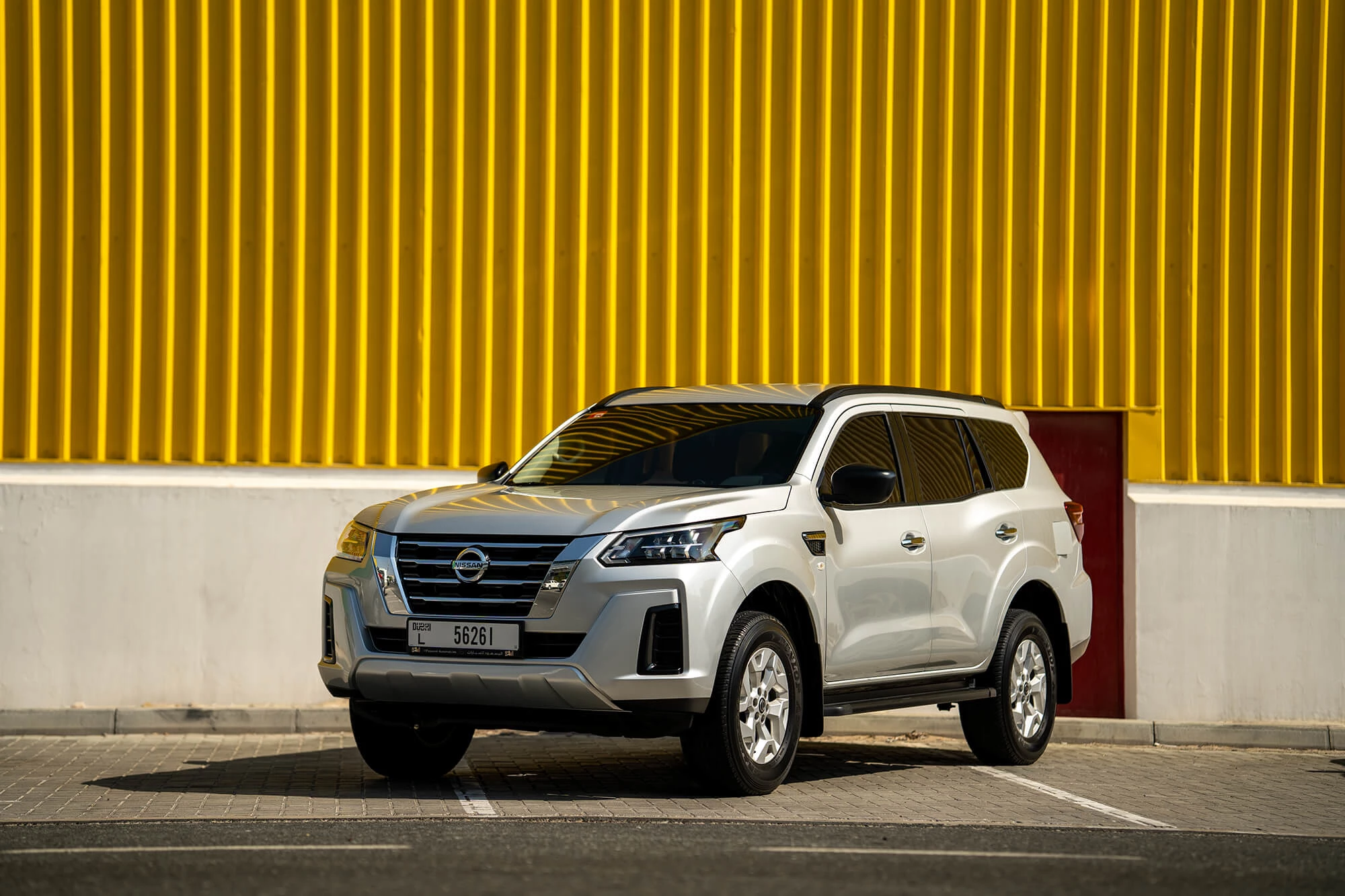
During its production history, Nissan introduced two generations of Xterra, commonly known as WD22 (first generation, 2000–2004) and N50 (second generation, 2005–2015), with various versions and updates throughout․
The lineup typically includes a base version focused on practicality and everyday usability, mid-level trims that add comfort and convenience features, and more advanced versions designed for all-terrain and active lifestyle use. Each of these variants targets a specific type of driver.
The logic behind Xterra’s configuration structure is straightforward: as you move up the range, each version builds on the previous one by adding more powerful equipment, enhanced technology, and improved all-terrain capabilities.
Drivers can also choose from manual or automatic transmission options, 2WD (rear-wheel) or 4WD (four-wheel-drive) drivetrains, and 2nd row seats with manual slide and manual reclining, maintaining a balance between practicality and strong performance. This step-by-step progression allows them to choose a model that matches both their driving needs and budget.
Through this structured lineup, Nissan positions the X Terra as a versatile SUV that can serve as a reliable daily vehicle, offering affordability and convenience. At the same time, it can transition to a capable off-road-focused option such as the Pro-4X, which adds features like a limited slip differential (B-LSD), hill start assist (HSA), and hill descent control (HDC).
Engine options evolved over time, from early four-cylinder and 3.3-liter V6 units to the later 4.0-liter V6, delivering up to 261 horsepower, paired with either a manual transmission or an automatic transmission. Equipment levels also vary, with newer versions offering more safety features, vehicle dynamic control (VDC), and improved fuel economy. They also include added creature comforts such as leather seats, an upgraded audio system, and enhanced HVAC controls.
Whether selecting an early 2000 model year version, a 2005 model year, or a 2015 model year options with the N50 updates, you can find Nissan X-Terra car models for different use cases within a single model family. And if you want to experience these variations in real driving conditions, you can easily rent Nissan Dubai and test the model that fits your needs.
Base Version: Practical Everyday Choice
The base version of the Nissan Xterra focuses on essential features that support practical, everyday driving. It typically includes a 2.4-liter four-cylinder standard engine, functional interior layout, basic safety systems, standard climate control, and simple infotainment elements, providing everything needed for comfortable daily use without unnecessary extras.
Designed with practicality in mind, this version prioritizes ease of use, durability, and efficiency rather than advanced or specialized equipment. Its balanced setup makes it well-suited for city driving, regular commuting, and routine family use, where comfort and reliability matter more than off-road enhancements.
By offering a minimally sufficient set of options, the base Xterra SUV provides a cost-effective entry point into the model range. It appeals to drivers who want dependable transportation with the versatility of an SUV while keeping ownership simple and affordable. The focus on refinement and practical design ensures that even this entry-level model meets the core expectations of everyday automotive use. It provides a reliable foundation for drivers before moving up to higher trims.
Mid-Level Versions – Added Comfort and Technology
Mid-level versions of the Nissan Xterra build on the base model by offering enhanced interior materials and additional technology features. These variants provide a balance between affordability and extra functionality, making them a popular choice for most drivers.
Inside, drivers can enjoy upgraded seating surfaces, improved cabin finishes, and more convenient controls, along with additional tech amenities that enhance comfort and everyday usability. This version is designed for those who want more refinement and convenience than the base model offers, while still maintaining practicality and value.
Top Versions – Maximum Features and Capability
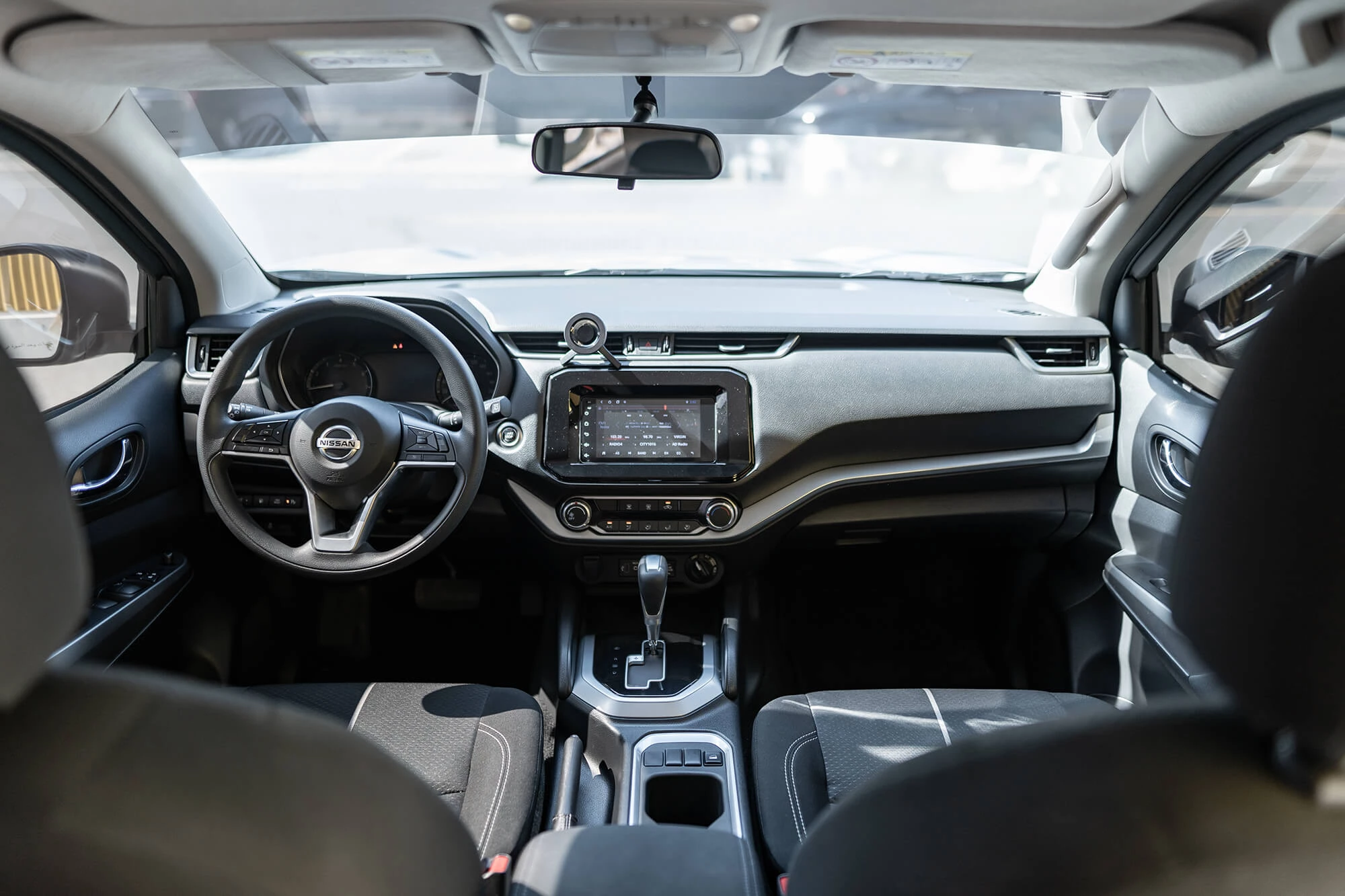
The top versions of the Nissan Xterra are designed for drivers who want the full-featured, complete package. These trims provide maximum comfort, combining premium materials, spacious interiors, and advanced convenience features.
They also include expanded safety systems and modern multimedia functions that improve connectivity, entertainment, and ease of use.
Built for versatility, these versions deliver the highest level of capability, with reinforced drivetrains, enhanced suspension, and all-terrain-capable equipment. They are ideal for drivers who want a fully equipped SUV that excels in both daily driving and challenging terrain, offering the most complete combination of comfort, technology, and performance.
Interior and Technology Differences
The Nissan Xterra’s interior and technology vary across its different versions։
- Base versions provides the essential interior features shared across all levels. This includes a functional steering wheel, standard headlights, practical cup holders, and a straightforward cabin layout. Second row seating is basic but usable, and the interior emphasizes durability and everyday practicality.
- Mid-level trims add upgraded interior finishes, improved ergonomics, and additional X-Terra features. These versions may include more advanced around view monitor options, enhanced cabin materials, and comfort improvements for both the driver and passengers.
- Top-tier versions combine premium materials with advanced technology and design enhancements. These configurations may include features like roof racks for extra utility, refined fascia details, and rounded headlights on facelifted models. With a more ergonomic interior layout and improved cabin features, these Xterras provide maximum comfort and convenience even for long trips.

Each generation Xterra model offers a clear progression in features, ensuring that drivers can select a model that best matches their needs, lifestyle, and preferences.
Safety and Driver Assistance Across Versions
Safety is a key consideration when choosing a Nissan Xterra, and each version offers features tailored to different needs.
Base Versions – Essential Protection
All trims come with essential systems that form the foundation for all Xterra models. These include:
- Front and side airbags
- Seatbelt restraints
- Reliable braking performance
- Enhanced braking response
- Additional monitoring systems
- Improved visibility aids
- Specialized off road assistance systems
- Advanced braking and stability controls
- Full suite of driver aids for challenging conditions
- For family-oriented use, configurations with upgraded interior finishes and additional comfort-focused features are often the most practical choice. These options deliver a more pleasant cabin environment, making school runs, daily errands, and weekend trips easier and more enjoyable.
- For city driving, simpler trims may be the better fit. With straightforward setup, manageable running costs, and ease of operation they are well-suited for urban traffic, parking, and everyday commuting without unnecessary complexity.
- For those who frequently take long-distance journeys, higher configurations offer noticeable advantages. Improved seating quality, added convenience features, and enhanced driver-support systems help reduce fatigue and increase comfort over extended drives.
These features ensure dependable protection for everyday city driving, commuting, and family use.
Mid-Level Trims – Enhanced Safety
Building on the base features, mid-level trims add enhancements that improve driver awareness and convenience:
These upgrades make a noticeable difference during longer trips, urban traffic, or moderate off road driving, giving drivers more confidence behind the wheel.
Top Versions – Comprehensive Assistance
The top levels include everything from the lower configuration, plus modern safety technologies:
With these features, top versions offer maximum protection and peace of mind, whether on city streets, highways, or rugged terrain.
Why It Matters
Understanding the differences in safety and driver assistance features is important when choosing an Xterra version. It helps drivers select the vehicle that best matches their specific needs and driving conditions. While all trims provide basic protection, higher-level versions offer additional confidence, convenience, and peace of mind. Selecting the right version ensures that you get the right balance of protection, technology, and usability for your lifestyle.
Which Nissan Xterra Version Is Right for You
Choosing the right Nissan Xterra version depends largely on how and where you plan to use the vehicle.
By considering your driving style, travel patterns, and feature priorities, it becomes easier to choose a version that is best for you.
Renting Nissan X-terra in Dubai to Compare Versions
Understanding the differences between Nissan Xterra versions is easier in real driving conditions. Specifications and feature lists are helpful, yet actual use reveals how each version feels on the road, handles different environments, and supports your daily or travel needs.
Dubai is an ideal place to experience this car in practice. Nissan Xterra SUVs are widely available for rent, making it possible to test different setups without long-term commitment.
Rental services such as Octane.Rent offers access to various Nissan Dubai models, allowing drivers to choose a configuration that fits specific trip goals. So you can make more confident decisions by comparing comfort, capability, and usability in real-world conditions rather than relying solely on descriptions.
Nissan Xterra Versions Compared to Similar SUVs
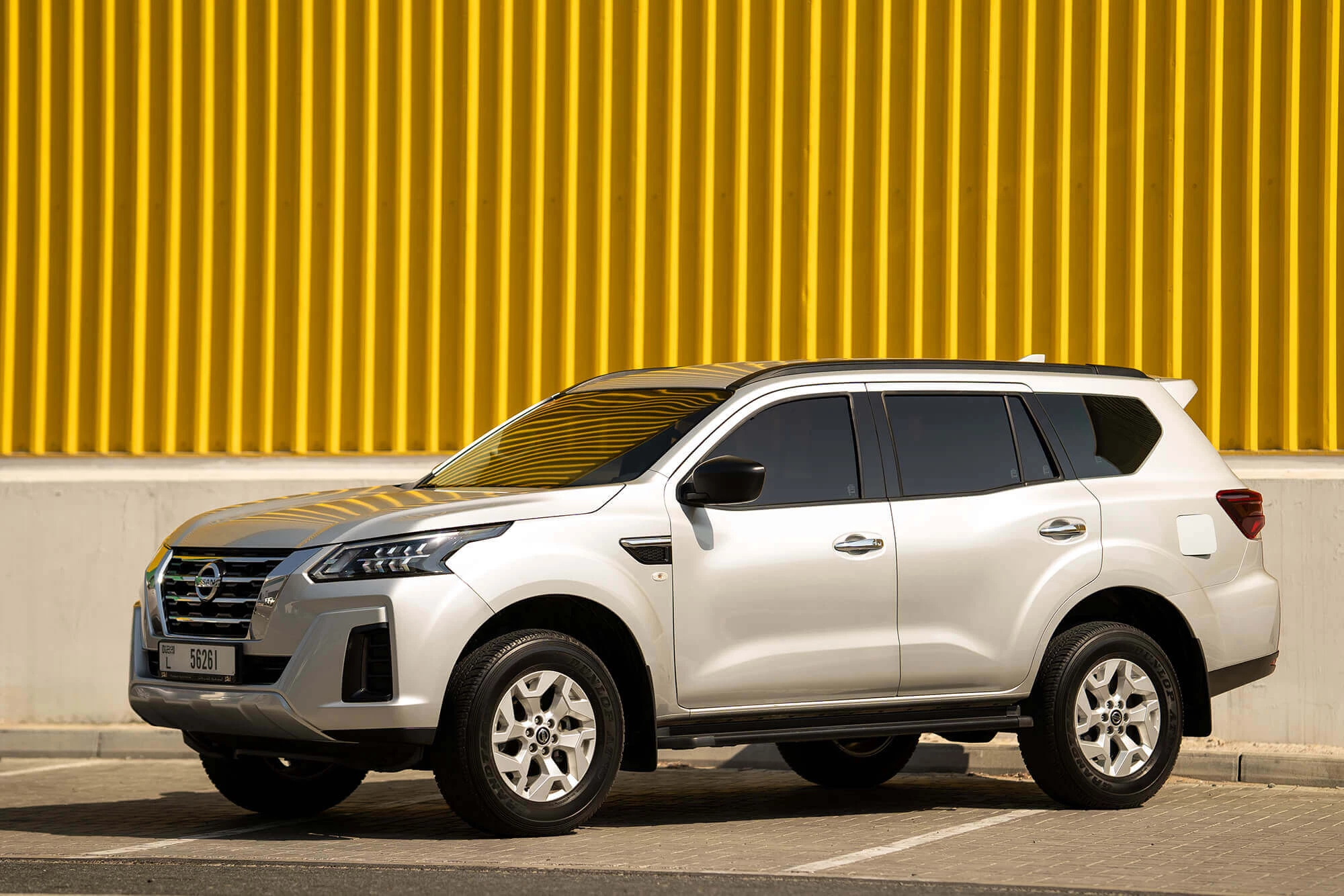
When compared to other SUVs in its segment, the Nissan Xterra stands out for its clear focus on durability and versatility. While many competitors prioritize road comfort or crossover-style design, Xterra maintains a more rugged character, making it suitable for a wider range of driving conditions.
One of the key advantages of the Xterra lineup is the logical structure of its versions. Each step up adds meaningful improvements rather than cosmetic changes, allowing drivers to choose based on real needs instead of overlapping features. This makes the differences between versions easier to understand compared to many rival models with complex or confusing configurations.
Thanks to this approach, the Xterra remains a well-balanced option within its class. It can function as a practical daily vehicle while still offering versions capable of handling demanding environments, giving it strong versatility compared to similar SUVs.