










































- QUICK GUIDE
- Where Is Jebel Hafeet Located
- Why Jebel Hafeet Is Worth Visiting
- Roads Leading to Jebel Hafeet
- Driving Directions from Abu Dhabi to Al Ain
- Driving Directions from Dubai to Jebel Hafeet
- Best Time to Visit Jebel Hafeet: Second-Highest in the UAE
- What to Expect at the Top of Jebel Hafeet
- Practical Tips for Your Jebel Hafeet Road Trip
- Renting a Car for a Trip to Jebel Hafeet
- Who This Trip Is Perfect For
- FAQ
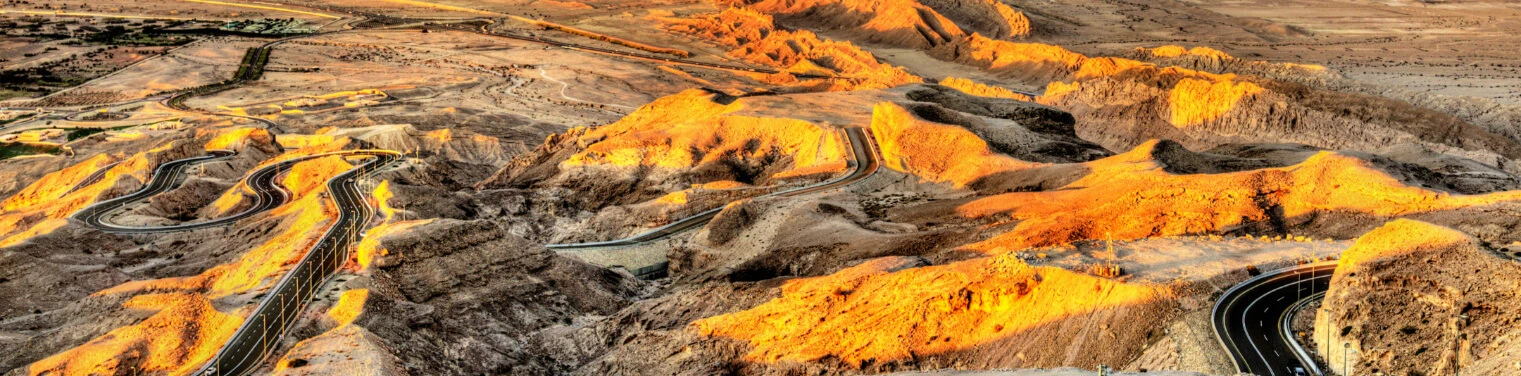
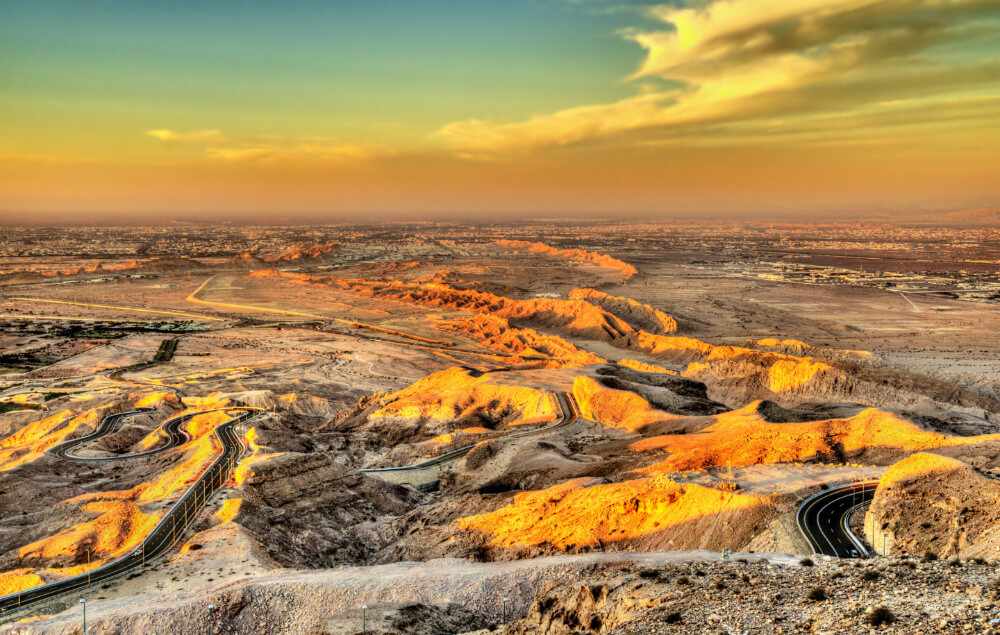
Jebel Hafeet is one of the most scenic natural landmarks in the UAE, renowned for its panoramic views, striking surrounding landscapes, and breathtaking mountainous terrain. It’s the second highest mountain in the UAE, after Jebel Jais in Ras Al Khaimah. Jebel Hafeet rises to about 1,240 meters above sea level. It is a popular destination for road trips from Abu Dhabi and Dubai, offering an unforgettable driving experience and the chance to enjoy both desert and mountain scenery in one trip.
QUICK GUIDE
- One of the highest peaks in the United Arab Emirates
- Scenic paved mountain road with panoramic lookout points
- Popular day trip from Abu Dhabi and Dubai
- Best visited early morning or before sunset
- Easy access by car with clear road signage
Now let’s explore Jebel Hafeet in detail.

Where Is Jebel Hafeet Located
Jebel Hafeet is located on the eastern border of Abu Dhabi, near Al Ain city, and close to the United Arab Emirates – Oman border. Rising prominently from the surrounding desert landscape, it is one of the most recognizable natural landmarks in the region. Its proximity to Al Ain allows visitors to combine the Jebel Hafeet road trip with stops at nearby tourist attractions, including Al Ain Oasis, a UNESCO World Heritage Site and historic sites such as Al Jahili Fort. You can also visit leisure areas near Jebel Hafeet, such as Green Mubazzarah.
Thanks to its convenient location and excellent road infrastructure, Jebel Hafeet is an ideal destination for a one-day tour from Dubai and Abu Dhabi city. The mountain is well connected to major UAE highways, including routes that link the capital and Dubai directly to Al Ain, making the journey simple and accessible even for first-time visitors. This route is frequently highlighted among the region’s most notable scenic drives. The journey allows visitors to comfortably reach the top of the mountain, where designated areas provide breathtaking views. This ease of access, combined with the picturesque route, makes Jebel Hafeet a popular choice for travelers seeking a short yet memorable getaway.
Why Jebel Hafeet Is Worth Visiting
Driving to Jebel Hafeet is a great start to your trip, where desert and mountains meet, offering a uniquely spectacular environment.
- Panoramic Views: From the summit of Jebel Hafeet, visitors can enjoy incredible views over Al Ain, the vast desert, and even into Oman on clear days. The viewpoints along the Jebel Hafeet mountain road, with its hairpin bends, provide ideal spots for photography or simply to stun at the scenery, especially at sunrise or sunset.
- Natural Landscape: The mountain offers a striking contrast to the surrounding urban areas, with rocky slopes, desert terrain, and unique flora. Nature lovers can explore hiking trails, spot local wildlife, or simply admire the mountain’s geological features.
- Peaceful Atmosphere: Unlike the bustling cities, Jebel Hafeet provides a calm and serene environment. Visitors can relax and enjoy the landscaped picnic areas or take a quiet stroll along the mountain roads.
- Contrast with Urban Life: Jebel Hafeet allows a complete break from city life, with a refreshing combination of adventure, nature, and peace. The experience highlights the natural beauty of the United Arab Emirates that is often hidden behind urban landscapes.
Roads Leading to Jebel Hafeet
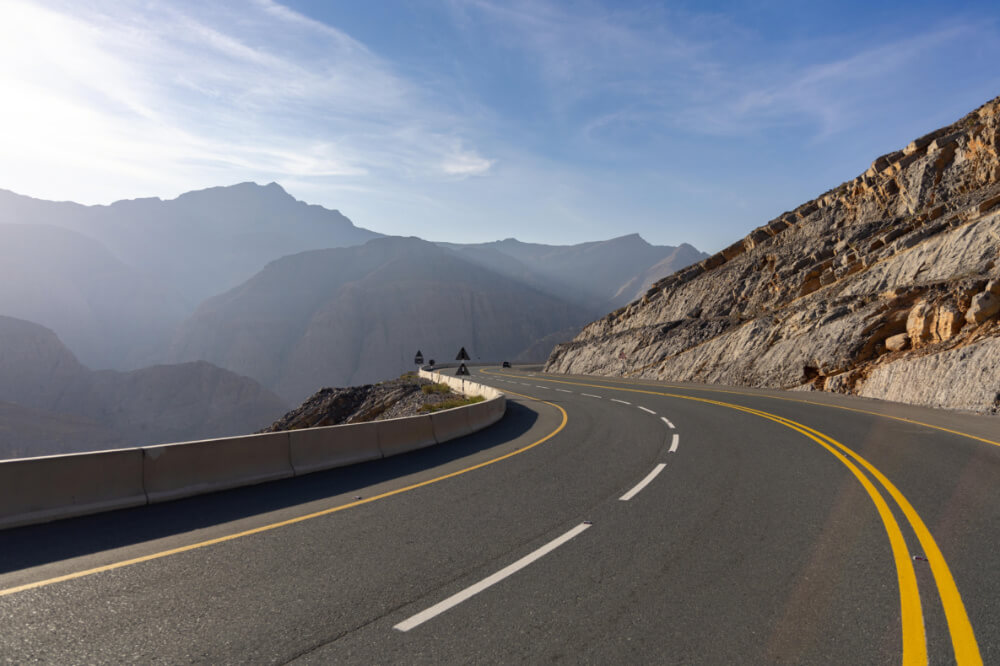
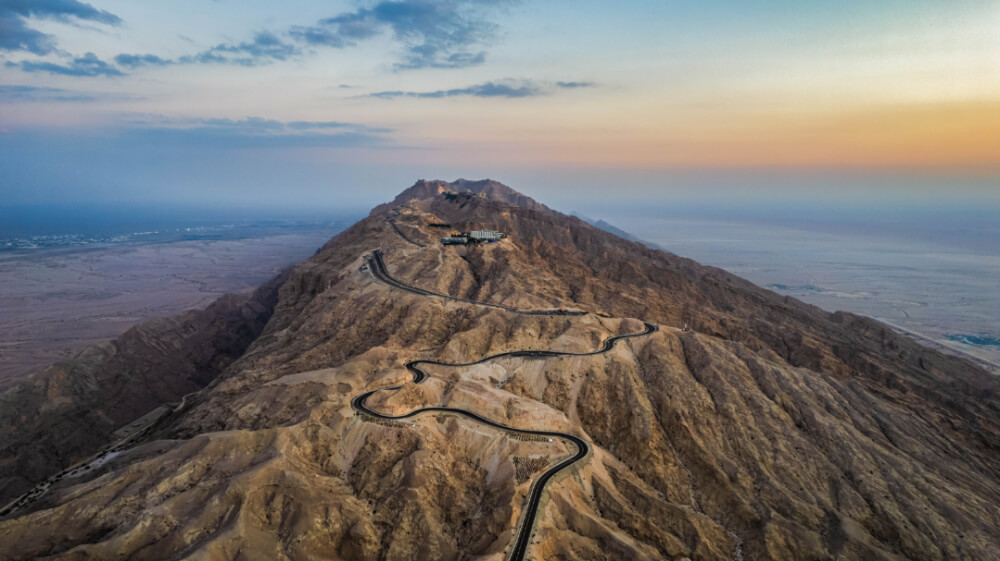
The road to Jebel Hafeet is a winding, smoothly paved ascent that climbs to the peak in the UAE, offering one of the best drives in the world. Along the way, multiple lookout points allow travelers to stop, take photos, and enjoy beautiful views.
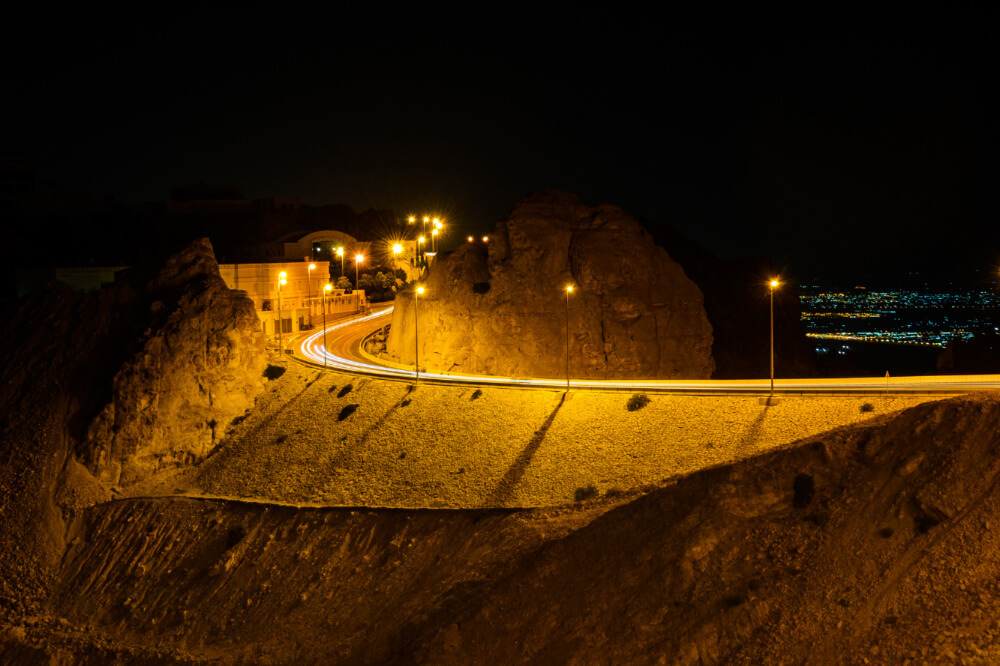
The road is well-lit in key sections and clearly marked, with designated stopping areas for safety. Entry points from Green Mubazzarah provide additional amenities such as picnic spots and a cafeteria, giving visitors easy access to the mountain’s base. A short walk from there leads to natural hot springs, while higher altitudes offer cooler temperatures for a comfortable visit.
Driving Directions from Abu Dhabi to Al Ain
Driving from central Abu Dhabi to Al Ain begins by heading southeast on the E22 highway, the main way connecting the two cities. The first stretch of the journey takes you straight through the desert for about 50 kilometers, passing occasional small towns along the way. The road is wide, paved, and smooth, with clear signs pointing toward Al Ain to make navigation simple.
Around the halfway mark, travelers will pass the Al Wathba Reserve, known for its flamingos and salt flats. It’s a perfect spot for a quick photo or a brief rest if time allows. As you continue, the outskirts of Al Ain begin to appear after roughly 120 kilometers, signaling that the city is approaching. The mountain road to Jebel Hafeet starts just outside Al Ain, with a smooth transition from the highway to the winding ascent up the top.
Traffic is generally light to moderate outside peak hours, though weekends and holidays can bring heavier congestion, especially near Al Ain.
Driving Directions from Dubai to Jebel Hafeet
Driving from Dubai to Jebel Hafeet covers approximately 150-160 km, depending on your starting point in the city, and usually takes around 2 hours under normal traffic conditions.
The most common route begins on Sheikh Mohammed Bin Zayed Road (E311) heading southeast, before transitioning onto Emirates Road (E611) toward Al Ain. Along the way, drivers pass through stretches of desert and open landscapes, with occasional small towns and service areas for short breaks.
Once approaching Al Ain, follow the highway signs to transition onto the E22 highway, which leads directly to the city outskirts. So, unlike the way from Abu Dhabi, which primarily follows the E22 highway, the Dubai route takes E311 and E611 before joining E22 near Al Ain. This makes it slightly longer, but offers a more scenic ride through desert landscapes.

Best Time to Visit Jebel Hafeet: Second-Highest in the UAE
The best time to visit Jebel Hafeet is during the cooler months, typically from October to April, when temperatures are mild and comfortable for driving, sightseeing, and outdoor activities. Daytime temperatures usually range between 20°C and 30°C, making it ideal for enjoying the mountain roads, panoramic lookout points, and nearby attractions without the intense desert heat.
Early mornings and late afternoons are particularly recommended. These times also provide softer lighting, perfect for photography and capturing the natural beauty of the area.
While summer months (June to September) are hotter, with temperatures often exceeding 40°C, it’s still possible to visit if driving is done in the early hours or late evening. Midday trips during the peak summer heat are not recommended due to extreme temperatures.
For a quieter experience with fewer tourists, it’s best to visit on weekdays rather than weekends, and during the shoulder months of October or March. This allows you to enjoy your drive, lookout points, and picnic areas with more space and less crowding.
What to Expect at the Top of Jebel Hafeet
At the top of Jebel Hafeet, visitors will find a well-organized area designed for short stops and comfortable breaks. Clearly marked parking zones make it easy to stop safely and step out to enjoy the surroundings.
Several official viewing platforms are positioned near the peak, allowing visitors to take photos without standing too close to steep edges.
Near the summit, there are cafes and seating areas where you can rest, grab refreshments, and enjoy the cooler mountain air.
A short distance below the top lies the Mercure Grand Jebel Hafeet Hotel, offering accommodation and dining options if you want to extend your visit. Even for day visitors, the hotel area is often used as a stop for a meal or a brief rest.
Visitors should stay within designated viewing areas and use official parking spots only. Avoid stopping on sharp curves or walking too close to steep edges. Drive carefully, especially on the descent, and respect speed limits. Keeping the area clean and following posted signs helps ensure a safe and enjoyable visit for everyone.
Practical Tips for Your Jebel Hafeet Road Trip
Before setting out for Jebel Hafeet, a bit of planning can make the journey more comfortable and enjoyable.
- Drive carefully on mountain roads, slow down on winding curves and sharp turns. The weather can change quickly, fog may reduce visibility, temperatures can drop, and it can be windy near the top. Always follow road signs and keep a safe distance from other vehicles.
- Make sure your vehicle is in good condition, especially the brakes and tires, as the descend includes steep sections and curves.
- Carry enough water and light snacks. While cafes are available on the way, options can be limited at certain times of day, so having enough water and light snacks ensures a relaxed and uninterrupted trip.
- It’s best to fuel up before leaving the city, as fuel stations are less frequent closer to the mountain. Download offline maps or ensure your navigation app is working properly, although road signage is generally clear.
- Wear comfortable clothing and footwear. Temperatures can be noticeably cooler at higher elevations, so a light jacket can be useful during the evening hours.
- Plan your timing wisely. Allow extra time if you’re visiting on weekends or public holidays, and consider combining the drive with nearby stops such as Green Mubazzarah, Al Ain Oasis, or historic forts to make the most of your road trip.
- If you have extra time, consider extending your trip with a short visit to popular stops in Al Ain city. These include the Al Ain Gold Souk, where you can explore traditional jewelry shops in a relaxed setting, and Qasr Al Muwaiji Palace Museum, which offers insight into the region’s history and heritage. These attractions are conveniently located and can easily be combined with a Jabal Hafeet trip.
- Choose a rental car for flexibility․ Renting a car allows you to travel at your own pace and fully enjoy your trip.
Renting a Car for a Trip to Jebel Hafeet
While bus and taxi options are available, renting a car offers unmatched freedom and flexibility for visiting Jebel Hafeet. Driving yourself allows you to travel at your own pace, take breaks whenever you want, and explore scenic viewpoints along the way. Unlike taking a bus to Al Ain Central or a taxi, a rental gives you full control over your route and timing.
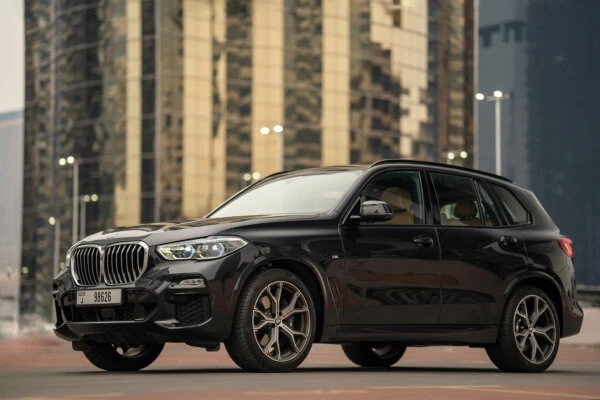
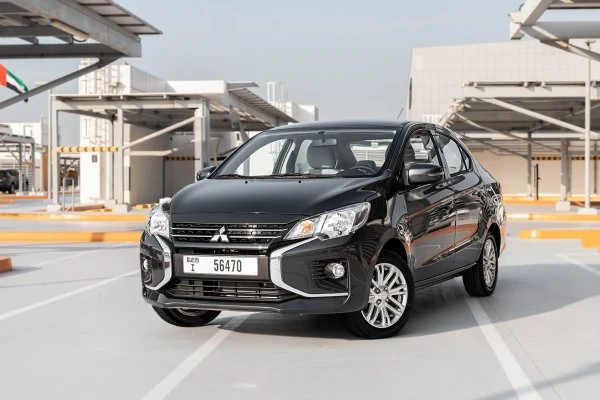
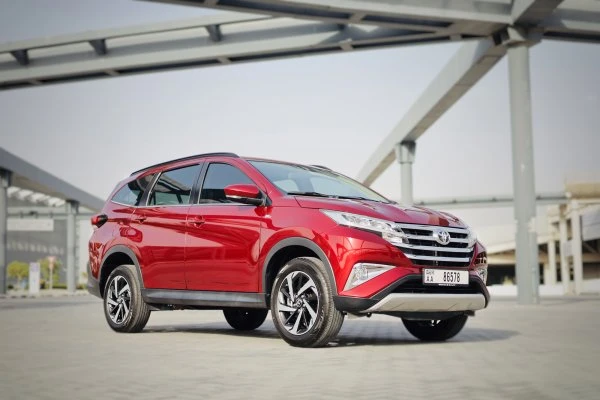
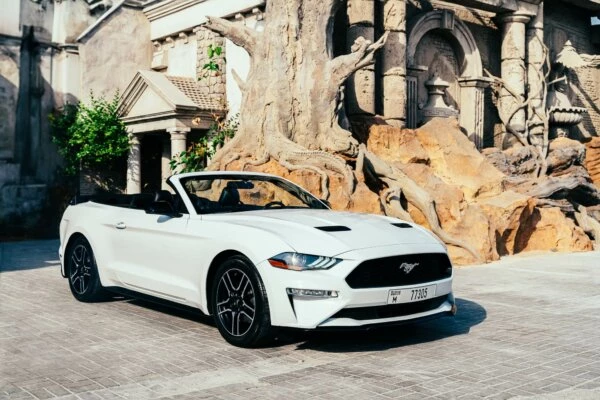
Through Octane Rent, you can choose from a wide range of well-maintained vehicles, including comfortable sedans and SUVs. Renting with Octane offers convenience and competitive rates, making both short day trips and longer explorations hassle-free. This way, you can enjoy the drive and stunning landscapes without worrying about fixed schedules, fares, or waiting at the Al Ain Central Bus Station.
Who This Trip Is Perfect For
Jebel Hafeet is an excellent place for travelers. Tourists can enjoy the natural beauty and views of the UAE. Families will appreciate a relaxed day trip with scenic stops and picnic areas. Nature lovers and those seeking peace will find a welcome escape from the city, with opportunities to explore mountains, desert landscapes, and lookout points at their own pace. With its well-maintained roads, convenient route, and the freedom to plan your trip by car, Jebel Hafeet is one of the UAE’s top natural destinations for a memorable journey.