






























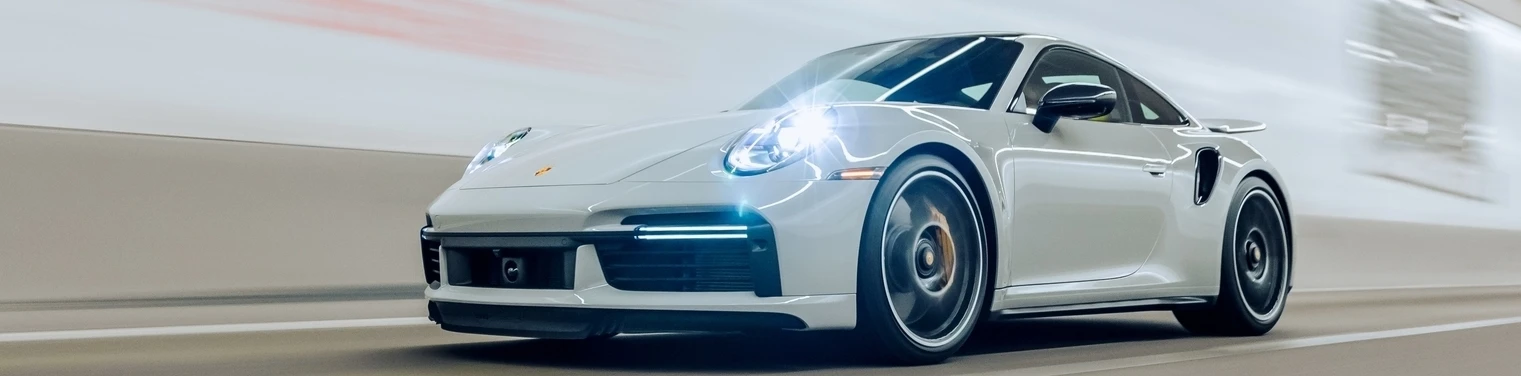
Porsche stands as an icon in the automotive world, renowned for pioneering design and breakthrough motorsport innovations. Since its debut, the brand has redefined what a sports car can be, with legendary models that have impressed Porsche enthusiasts in UAE and beyond. From the classic cars of earlier decades to the electrifying 2025 Porsche 911 and groundbreaking Taycan, Porsche models embody engineering excellence and style, staying true to the brand’s philosophy of continuous innovation and performance.
The term “icons of Porsche” refers to those Porsche cars that have become symbols of the brand’s powerful design and motorsport achievements.These vehicles were showcased at events such as the fifth edition of Icons of Porsche 2025 (the Porsche festival in Dubai Design District) in November 2025. The cars include the Carrera, Turbo, RS, Macan, and GT. They showcase the spirit of Porsche design and engineering. Each edition of Icons of Porsche, from the fourth edition of the Icons of Porsche 2024 to the latest one, spotlights the evolution of sportscar legacy and motorsport legends in Porsche Middle East. Whether classic or modern, off-road or track, Porsche’s iconic lineup connects generations through innovation, passion, and a globally recognizable style.
The Origins of Porsche
The brand’s history goes back to 1948 when Ferdinand Porsche created the first Porsche. This year marked the birth of an iconic automotive legacy. The debut of the Porsche 356 is regarded as the start of the Porsche heritage, establishing this classic Porsche as a design icon and a symbol of automotive excellence.
Embracing the philosophy of “performance meets precision,” Porsche continues to innovate by introducing the legendary models like the iconic 911 Carrera, 911 GT3 RS, and the turbocharged 911 Turbo.
“Performance meets precision” means Porsche vehicles are engineered to deliver exceptional speed, power, and driving dynamics, while also ensuring every aspect of the car (handling, braking, steering, and chassis tuning) is meticulously refined for accuracy and control. This philosophy ensures that Porsche models not only accelerate quickly and achieve high speeds but also offer top responsiveness, predictable handling, and a seamless connection between driver and machine. Every component, from the engine to the suspension, is designed and tested to interact at the highest level, making each drive both thrilling and precise, whether on the road or the track.
The Porsche Museum in Stuttgart concentrates this rich racing heritage in one spot, showcasing race cars such as the flat-six powered 911 GT1 and endurance racers like the 962 with their distinctive livery. Regional premieres and the latest icons of Porsche, including sportscars and hypercars, take place each year at the Icons of Porsche festival attended by Porsche owners and enthusiasts across Porsche Middle East and Africa. This spirit of racing, innovation, and design cements Porsche’s status as a legendary brand that continues to develop its iconic 911 models.
Porsche 356 — The First Icon
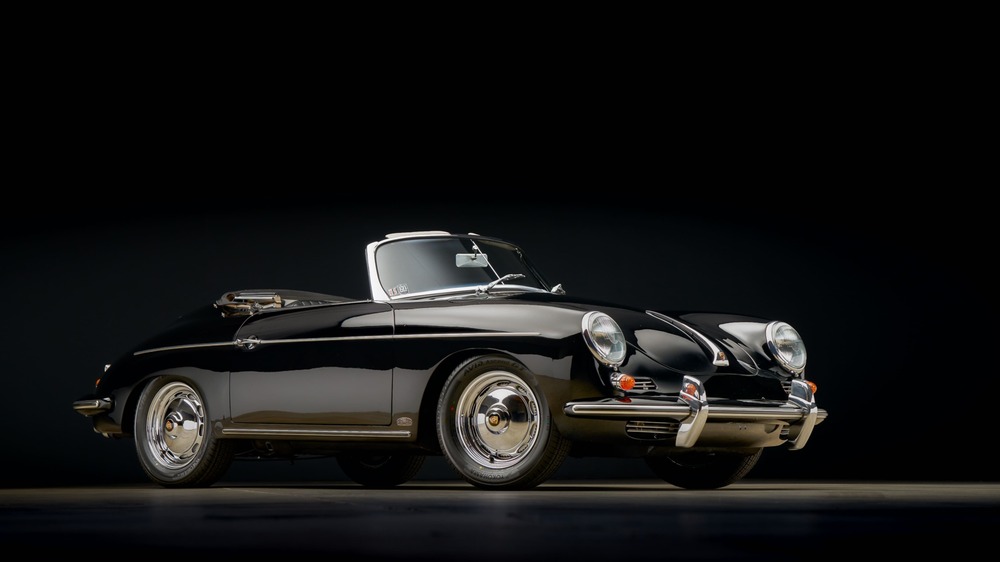
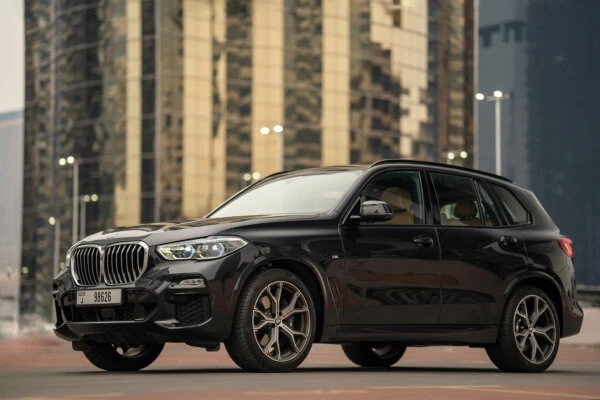
The Porsche 356 is the foundation that set the brand’s legendary status. It became the first legendary Porsche because it was the brand’s inaugural production car, launched in 1948. The new Porsche set the template for the future models. It revolutionized sports car design by using a lightweight body, rear-engine layout, and handcrafted aluminum construction. Its practicality, with usable rear seats and year-round drivability, made it popular among Porsche motorsport enthusiasts and everyday drivers.
With its lightweight body, rear-wheel drive, and distinctive design, it established the key elements of Porsche’s DNA. The 356 quickly made its mark in motorsport, winning its class at the 1951 24 Hours of Le Mans and dominating events like the Liège-Rome-Liège rally and the Targa Florio.
Its racing success continued with the Carrera GT and the Abarth 356B GTL, which triumphed in endurance races such as the 12 Hours of Sebring and Le Mans. The 356’s legacy lives on in modern Porsche models, including the 911 Dakar, the 911 Sport Classic, and the latest hypercar innovations regularly featured in the Porsche newsroom.
Porsche 911 — The Eternal Symbol of Perfection
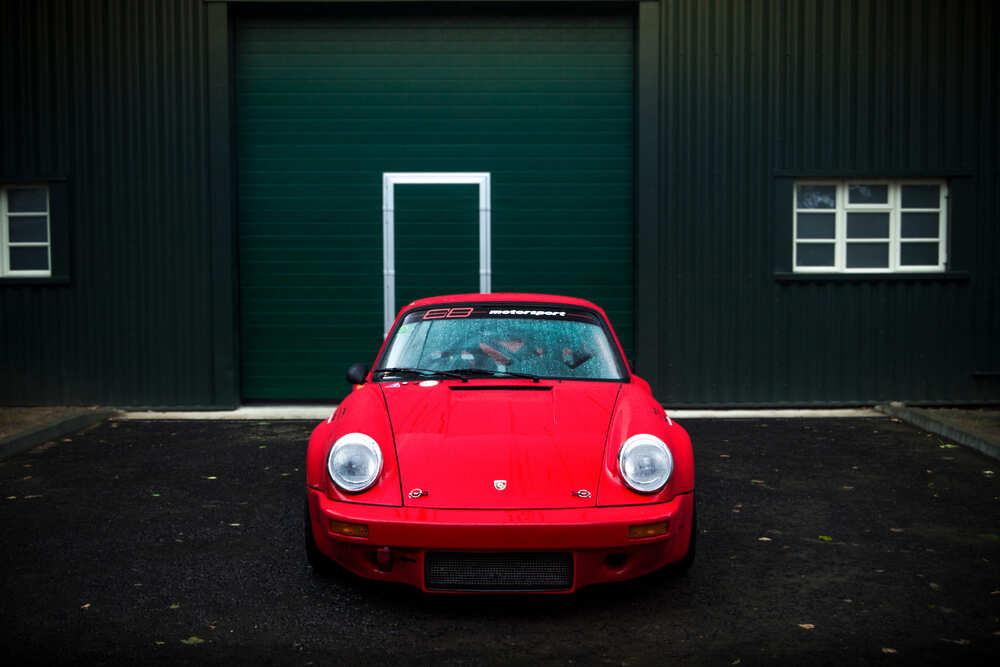
When the Porsche 911 made its debut in 1963, it changed the landscape of sportscars forever with its rear-engine layout and aerodynamic silhouette. From the original 130-horsepower model, the 911 evolved through key generations like the 930 Turbo (it was the first to feature a turbocharged flat-six engine producing 260 hp).
The 964 generation introduced all-wheel drive and modernized aerodynamics. The 993 is known as the last air-cooled 911, with 272 to 450 hp variants cherished by collectors. The 997 is known for advanced technology features such as direct fuel injection and improved handling. It offered power outputs reaching 620 hp in the GT2 RS. The current 992 model combines the historic heritage with cutting-edge engineering, boasting up to 660 hp in the Turbo S model and 0-60 mph acceleration in less than 3 seconds.
Throughout its generations, the Porsche 911 has never strayed from its iconic profile, maintaining the signature teardrop silhouette, sloping nose, and raised rear haunches since its debut in 1963. This design consistency symbolizes Porsche’s commitment to balancing power, precision handling, and elegant design, with each new generation refining the formula while preserving the core elements.
Porsche’s involvement in motorsport (from endurance races like the 24 Hours of Le Mans and the Targa Florio to rallying events such as the Monte Carlo Rally and the Dakar Rally) confirms its legendary status. The 911 has won its class at Daytona and Sebring, claimed multiple victories in the Targa Florio, and even competed in the Dakar Rally, showcasing its versatility and dominance across diverse disciplines.
Racing Legends — Porsche 917, 935, and GT1
Porsche 917
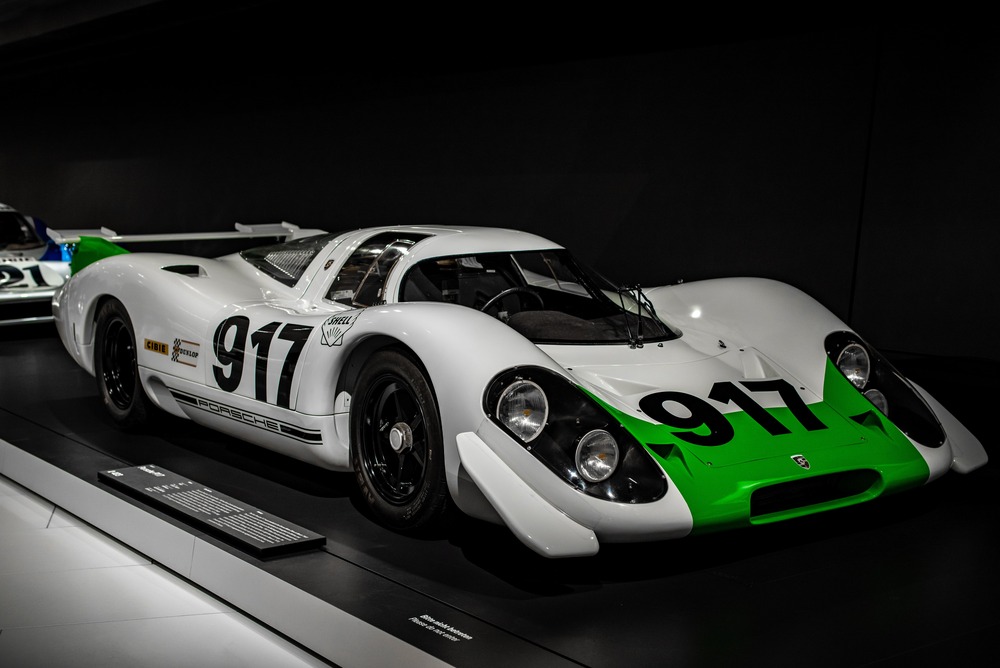
The Porsche 917 is known as a racing legend, achieving multiple victories at the 24 Hours of Le Mans in 1970 and 1971, securing its cult status in motorsport. In 1970, it gave Porsche its first overall Le Mans win, and in 1971, it repeated the feat, setting a distance record of 5,335 km in 24 hours (a record that stood for nearly 40 years). The 917 also dominated the International Championship for Makes in both years and continued winning in the Can-Am and Interserie championships, amassing 37 victories up to 1975. Known for its powerful flat-12 engine delivering over 600 hp, the 917 combined speed and aerodynamics to become one of the most successful race cars in history.
Porsche 935
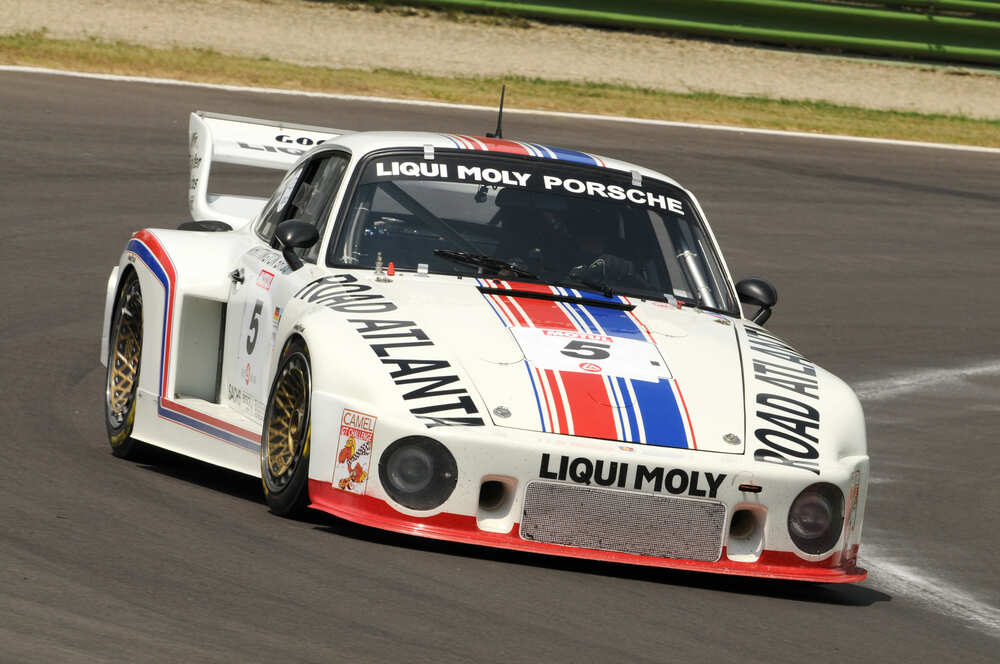
The Porsche 935, famously nicknamed “Moby Dick,” showed advanced aerodynamic design in the late 1970s. With a turbocharged flat-six engine producing up to 845 hp, it dominated endurance racing and became an icon of car racing. The vehicle was nicknamed “Moby Dick” because of its large, elongated bodywork and massive fairings, which reminded people of the great white whale from Herman Melville’s famous novel. The name stuck due to the car’s imposing size and unique appearance, especially in its prototype form, which was designed for maximum aerodynamic efficiency and speed on the track.
Porsche GT1
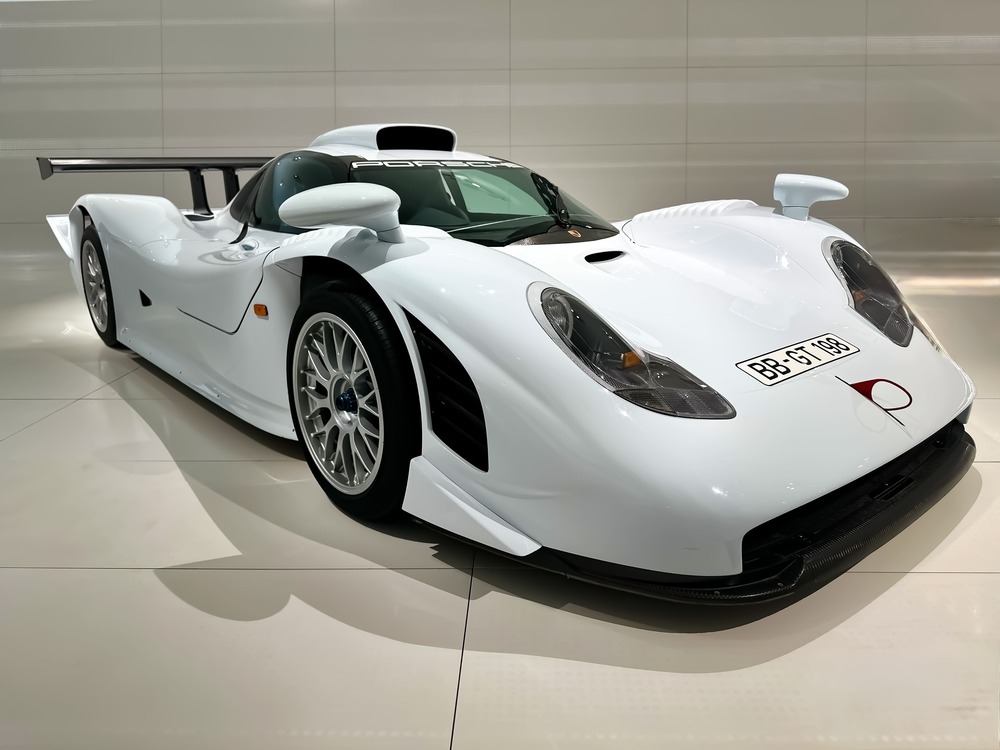
The Porsche GT1 bridged the gap from race track to road by creating street-legal hypercars based on racing technology. The GT1 featured a 3.2-liter twin-turbo flat-six engine producing up to 600 horsepower, carbon fiber bodywork, and advanced suspension borrowed from prototype racers. With a top speed of 310 km/h and a 6-speed sequential manual transmission, it delivered motorsport-level performance on public roads, exemplifying Porsche’s ability to transfer race engineering into high-performance automotive design.
The 2025 Modern Era Porsche
Porsche’s modern lineup shows the brand’s ability to develop while preserving its commitment to the past performance and design practices typical for the brand. These models represent the new directions that expanded Porsche’s range:
- Porsche Cayenne. A luxury SUV launched in 2002, the Porsche Cayenne transformed the brand’s market presence by broadening its audience beyond traditional sports car enthusiasts. In its first generation alone (2002–2010), over 276,000 units were produced, making it a key driver of Porsche’s global sales growth. By 2007/2008, the Cayenne overtook the Porsche 911 in annual production, with more than 105,000 units built in a single year, and has since surpassed one million units sold worldwide.
- Porsche Panamera. Introduced in 2009, it is a premium sports sedan that combines sporty dynamics with executive comfort, symbolizing Porsche’s entrance into the luxury sedan segment. The first-generation Panamera featured a 4.8-liter V8 engine, delivering up to 500 horsepower, and could accelerate from 0 to 100 km/h (62 mph) in just 4.2 seconds, with a top speed of 289 km/h (180 mph) for the 4S model. Over the years, the Panamera has evolved with advanced hybrid powertrains, such as the Turbo S E-Hybrid, which produces up to 782 horsepower and can reach 100 km/h in just 3.2 seconds.
- The Porsche Taycan, launched in 2019, is the brand’s first fully electric sportscar, symbolizing Porsche’s shift toward sustainability and high-performance electric mobility. It features advanced electric drivetrain technology, with models ranging from 402 hp in the base version to up to 1,019 hp in the Taycan Turbo GT, capable of accelerating from 0 to 100 km/h (62 mph) in just 2.7 seconds and reaching a top speed of 310 km/h (193 mph). The Taycan also boasts an 800-volt charging system, allowing the battery to charge from 5% to 80% in about 22.5 minutes using a compatible fast charger, and offers a drag coefficient as low as 0.22, making it one of the most aerodynamic Porsches ever built.

Together, these models highlight how Porsche pushes the design boundaries to meet the demands of discerning drivers.
Design and Innovation Philosophy of Porsche
Porsche’s approach to design and technology centers on balancing tradition with cutting-edge innovation. The following key principles define their philosophy:
- “Form follows function.” This principle means that design starts with practical performance needs rather than purely aesthetic goals. For Porsche, the priority is engineering and driving dynamics first, ensuring every design detail serves a concrete purpose. This approach guarantees that the car’s shape is driven by function and not vice versa: designing a shape first and then trying to make it work mechanically.
- Porsche’s design philosophy emphasizes aerodynamics and a distinctive silhouette, with shapes optimized for airflow and instantly recognizable profiles. For example, the Taycan achieves a drag coefficient as low as 0.22, the best among current Porsche models, thanks to features like air curtains and Porsche Active Aerodynamics (PAA), which adjust spoilers and cooling flaps for optimal efficiency and performance.
- Innovation in materials, transmission, and safety is evident in Porsche’s use of lightweight construction, advanced gearboxes, and cutting-edge safety systems. The brand employs extensive wind tunnel testing (over 1,500 hours for the Taycan alone) and advanced materials to reduce weight and improve handling. Porsche’s transmissions, such as the PDK dual-clutch system, deliver lightning-fast shifts, while safety systems like advanced driver assistance and active aerodynamics enhance both performance and protection.
- Porsche preserves its DNA while adapting to modernity by integrating new technologies and environmentally friendly policies without losing its heritage. The Taycan, for instance, is the brand’s first all-electric sports car, combining electric drivetrain technology with classic Porsche design cues and driving dynamics. This approach ensures that each new model remains true to Porsche’s legacy while embracing sustainability and innovation.
Together, these principles ensure Porsche remains a leader in automotive excellence, blending timeless design with technology.
Collector’s Value and Cultural Impact
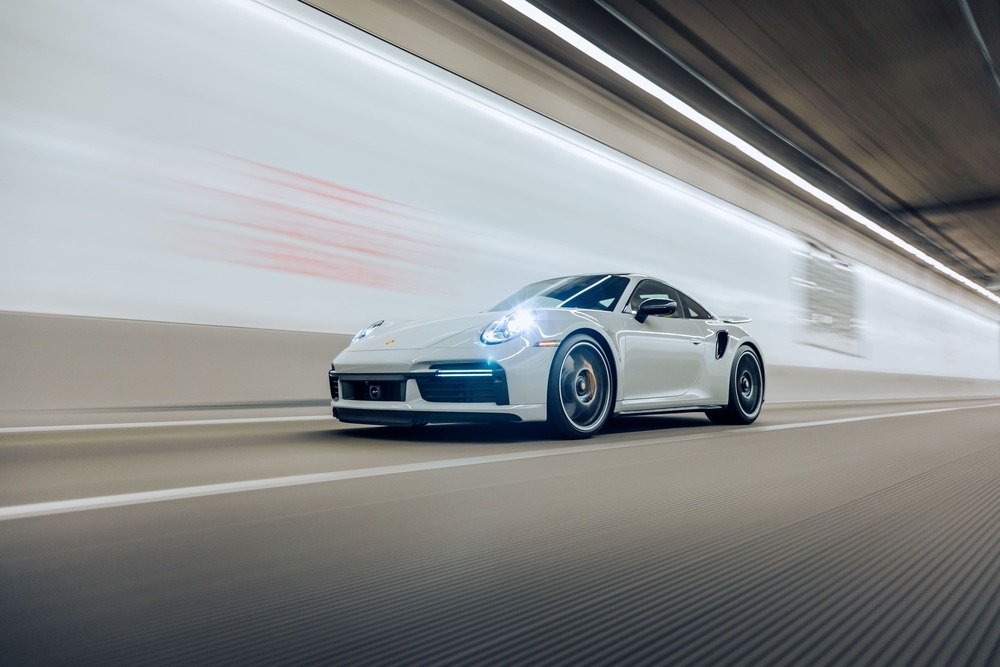
Porsche cars hold exceptional collector’s value, with retro models frequently featured at prestigious auctions like Sotheby’s and Broad Arrow. For example, a 2015 Porsche 918 Spyder was sold for $1.76 million at the Broad Arrow Zurich 2025 auction. A pristine 964 Carrera RS recently fetched over $300,000 at auction. These figures reflect the strong demand for limited-edition and performance-focused variants. Early long-hood 911 models from the 1960s and 1970s continue to command six-figure sums.
Porsche’s status as a cult brand is reinforced by its prominent presence in cinema and popular culture, with iconic models regularly showcased in major films and celebrated by fans worldwide. For example, the Porsche 928 featured in “Risky Business” (1983) became so iconic that the actual car used in the movie sold at auction for £1.5 million in 2021. The Porsche 911 Turbo 3.6 driven by Will Smith in “Bad Boys” (1995) and the Porsche 356 Speedster in “Top Gun” (1986) and its sequel “Top Gun: Maverick” (2022) are also legendary moments in film history. These appearances, combined with record-breaking auction results, underscore Porsche’s enduring legacy and collector appeal, making it a true symbol of automotive and cultural excellence.
Famous Porsche owners include legends such as Steve McQueen, who famously drove and owned a Porsche 917 used in the filming of the movie “Le Mans,” a car that later sold for over $14 million at auction and became a symbol of both motorsport and Hollywood history.
Paul Newman was known for his passion for the Porsche 935, competing in numerous races and winning the 1979 24 Hours of Le Mans in a Porsche 935. Patrick Dempsey, a dedicated collector, owns several Porsche models, including the iconic 911, and has participated in endurance racing events like the 24 Hours of Le Mans.
Their enthusiasm for these cars has significantly enhanced Porsche’s prestige and cultural image, making the brand synonymous with performance, style, and celebrity appeal.
Preserving the Legacy Through Innovation
Porsche blends tradition with the future by introducing electric vehicles like the Taycan and Macan Electric, both featuring advanced battery technology and rapid charging (up to 320 kW, with the Taycan Turbo GT reaching 0–60 mph in just 1.9 seconds).
The brand integrates artificial intelligence technologies, such as adaptive infotainment and driver assistance systems, and prioritizes sustainable manufacturing with carbon-neutral production facilities and recyclable materials.
Porsche also upholds advanced safety standards, including active suspension and comprehensive driver aids, ensuring every model delivers both innovation and the brand’s signature spirit of speed and engineering excellence.
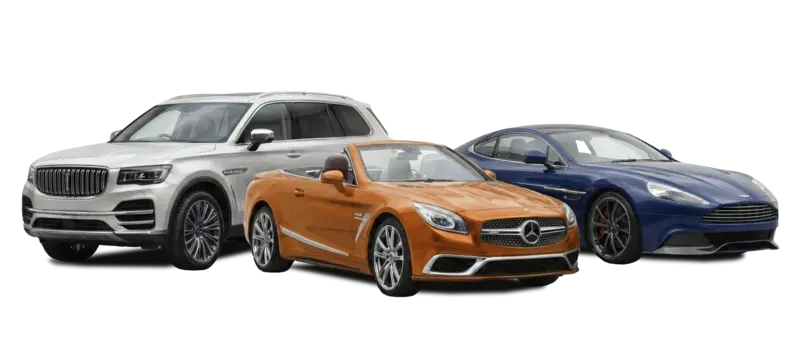
Today, you can experience these iconic Porsche models firsthand by renting through Octane Rent in Dubai. For example, the Porsche 911 is available at competitive daily rates starting from 1,430 AED for one day, with discounted rates for longer rentals (down to 795 AED per day for a 30-day rental).
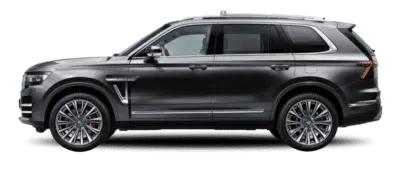
The Porsche Cayenne Coupe Grey offers a versatile SUV experience from 710 AED per day, with even lower rates for extended periods. For those seeking top performance, the Porsche Taycan Turbo White is available starting at 2,490 AED per day, representing the pinnacle of Porsche’s electric innovation. With flexible rental options, no security deposit, and optional Octane Shield protection, Octane Rent lets you enjoy the combination of Porsche’s historic heritage and innovation as you explore Dubai.