










































- What Is a Fleet Lease Vehicle
- How Fleet Leasing Works in Practice and Its difference from Ownership
- What Is a Rental Vehicle
- Key Differences Between Car Lease and Rent: Decide What Suits You Best
- Cost Comparison: Car Lease vs Car Rental
- Which Option Is Better for Businesses in Dubai – Leasing Fleet Vehicles or Short-Term Car Hire
- When Fleet Leasing Makes More Sense: Tips for Fleet Management
- When the Smarter Choice Is to Rent a Car
- Fleet Solutions and Corporate Mobility with Octane.Rent
- FAQ
With Dubai’s growing economy, logistics, and corporate transport sector, many companies are exploring better ways to manage their fleets and control costs. Businesses now often compare fleet leasing and rental options to determine which solution suits them best.
The goal of this overview is to help you understand the difference between car rental and fleet leasing, explaining how each model works, their benefits, and which may fit your operations more effectively.

What Is a Fleet Lease Vehicle
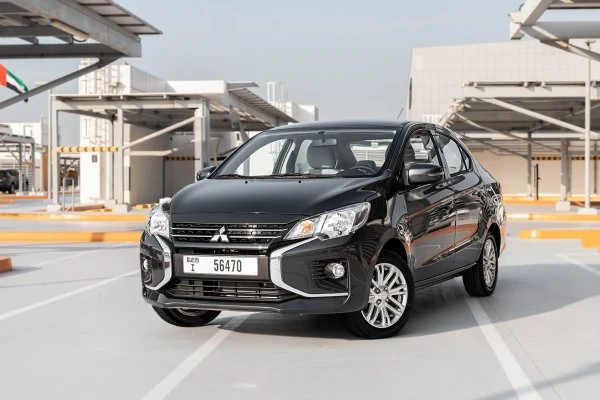
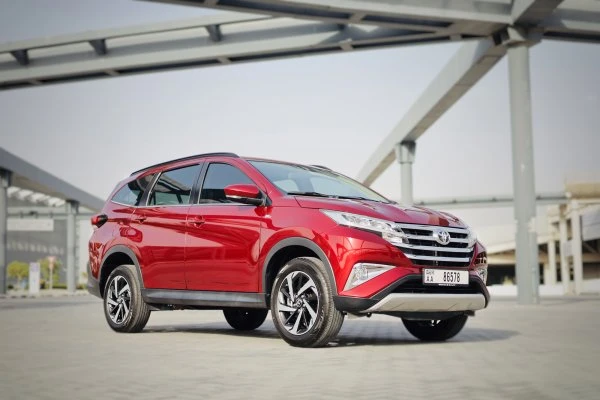
A fleet lease vehicle is part of a long-term lease agreement between a business and a leasing company. Instead of buying a vehicle outright, a company leases vehicles for an extended period, often 12 to 24 months or more.
The car lease option provides predictable monthly payments, including maintenance, insurance, and repair coverage. In other words, everything a business needs for reliable transportation without worrying about depreciation or resale value. The automobiles remain under the company’s use and are typically assigned to specific drivers, making them ideal for fleet management and long-term operations.
The benefits of leasing include predictable costs, modern and reliable vehicles, a set maintenance schedule, and full fleet control backed by manufacturer warranty and service support.



How Fleet Leasing Works in Practice and Its difference from Ownership
A typical lease agreement includes key features designed to simplify vehicle usage and control expenses usually incurred in the case of ownership:
- Lease duration: Usually 6–12–24 months or more, suited for long-term needs.
- Maintenance and repairs: Covered through service contracts. Leases include regular checkups and parts replacement according to the maintenance schedule.
- Insurance and registration: Managed by the leasing company, reducing administrative hassle.
- Mileage limit: Each lease specifies a maximum mileage; exceeding it may result in penalties for exceeding usage.
- Predictability: Businesses benefit from predictable monthly costs, steady cash flow, and reduced finance overhead.
In Dubai, providers like Octane.Rent deliver flexible fleet leasing programs that adapt to various business goals, allowing companies to drive new vehicles under transparent pricing structures.
What Is a Rental Vehicle
A rental car or car hire is designed for short-term or short-term car rental scenarios. You can rent a car for hours, days, or weeks, which offers complete flexibility without long commitments.
This option fits situations like business trips, temporary driver replacements, or seasonal expansions. Companies rent vehicles when they need quick, reliable transportation without the hassle of ongoing contracts. Rental agreements are simple: pick a car, pay for the period you need it, and return it. No worries about maintenance costs, vehicle condition, or depreciation.
Key Differences Between Car Lease and Rent: Decide What Suits You Best
Before choosing between leasing and renting, it is helpful to see how the two models compare across key operational and financial factors.
| Feature | Fleet Lease / Leasing Fleet Vehicles | Car Rental / Car Hire |
|---|---|---|
| Duration | Long-term (6–24+ months) | Short-term (hours to weeks) |
| Monthly pricing | Predictable monthly payments | Higher rates for flexibility |
| Maintenance & repair | Included, managed by leasing company | Included during rental period |
| Mileage | Set mileage limit under agreement | Typically limited |
| Vehicle ownership | No ownership, business leases the automobile | Business only rents |
| Branding option | Yes, for corporate vehicles | Not allowed |
| Flexibility | Moderate | Very high |
| Best for | Fleet management, long-term use | Quick, short-term needs |
This overview simplifies the difference between car rental and fleet leasing, helping companies quickly identify which model better aligns with their business goals and usage patterns.
Cost Comparison: Car Lease vs Car Rental
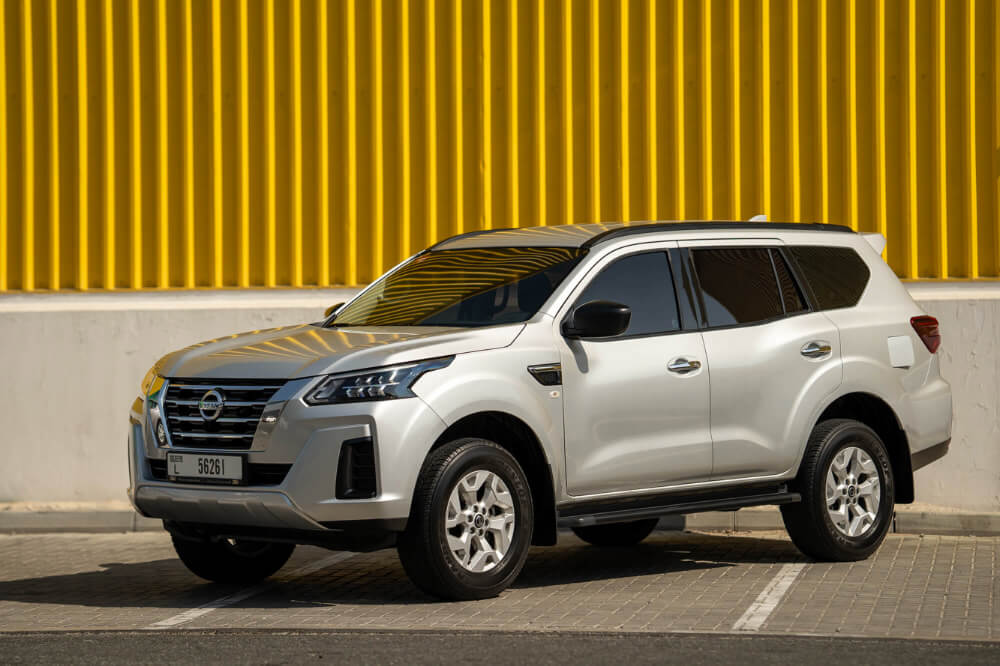
When comparing a car lease to a car rental, the difference between lease and rent becomes clear in cost structure.
- A long-term lease offers predictable monthly expenses and lower overall cost per month for continued use.
- Rental cars are priced higher per day but make sense when short-term flexibility is essential.
- For businesses with regular routes and permanent drivers, leasing fleet vehicles keeps maintenance costs stable and ensures each vehicle operates under warranty.
- If your company’s needs are occasional or project-based, consider renting. It’s cheaper for short durations and suits you if you don’t want the hassle of committing.
Ultimately, leasing helps businesses build predictable cash flow, while rentals support quick, low-commitment mobility.
Which Option Is Better for Businesses in Dubai – Leasing Fleet Vehicles or Short-Term Car Hire
Choosing between renting and leasing fleet vehicles depends on your organization’s stage and goals:
- Startups benefit from short-term flexibility. They can rent a car or van when required.
- Small and medium businesses (SMBs) often prefer fleet leasing for predictability, fixed monthly lease costs, and consistent vehicle condition.
- Corporate clients with large teams, regular delivery routes, or brand visibility requirements rely on leased vehicles.
Octane.Rent in Dubai caters to all, combining car rental and fleet lease services to match short- and long-term business mobility.
When Fleet Leasing Makes More Sense: Tips for Fleet Management
Fleet leasing is ideal for companies that have:
- A permanent staff of drivers.
- Predictable operations and delivery routes.
- Long-term contracts requiring a stable fleet.
- A need to brand vehicles and maintain uniform presentation.
Leasing ensures consistent operations without worrying about resale, repairs, or unpredictable upkeep costs.
When the Smarter Choice Is to Rent a Car
Opt for car rental when your company faces:
- Seasonal or short-term projects.
- Market testing, temporary staff expansion, or short-term mobility needs.
- Vehicle replacement during maintenance.
- The desire for mobility without ownership responsibility.
Short-term car rental gives full flexibility and mobility while avoiding commitments or equity risks tied to leasing or buying.
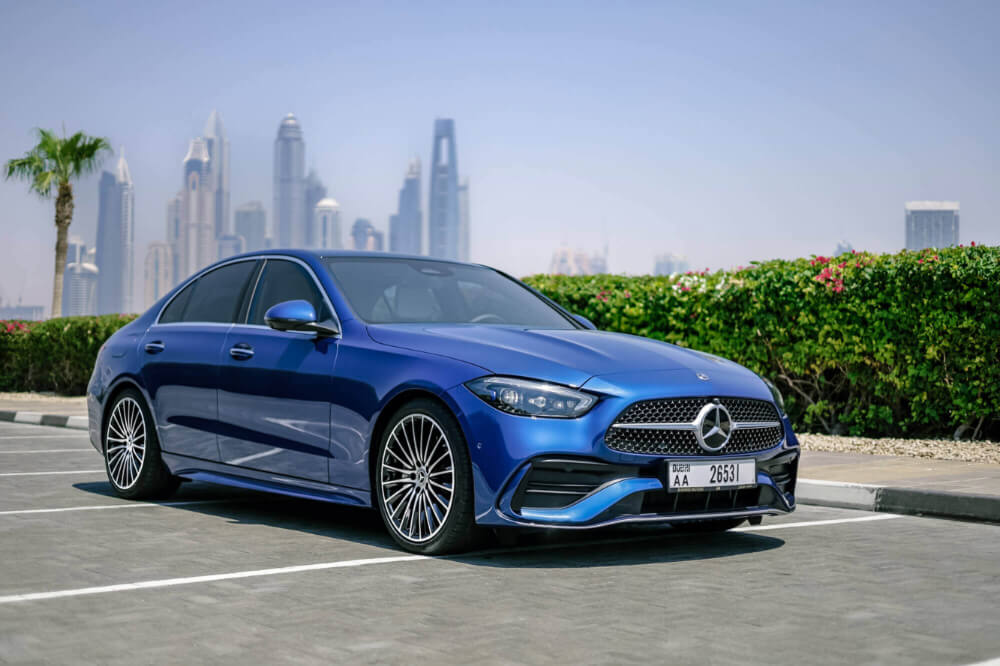
Fleet Solutions and Corporate Mobility with Octane.Rent
In summary, while both solutions provide reliable vehicles, the difference between car rental and fleet leasing lies in duration, control, and cost structure.
Fleet rental and leasing are not the same. Make sure you understand what suits you best before signing a contract. If you want predictable monthly payments, lower maintenance costs, and vehicles tailored for your operations, fleet leasing may be your best choice. If you prefer short-term flexibility and want to drive a new car without the hassle of contracts or ownership, car rental delivers immediate convenience.
In Dubai, Octane.Rent offers hybrid business mobility options. It combines fleet leasing and rental services to help companies finance transport efficiently and manage total cost of ownership with clarity and confidence.