










































- Why Dubai Is a Unique Market for EV and Petrol Vehicles Comparison
- Driving Performance in Real Traffic Conditions: Electric vs Petrol Car
- EVs Electricity vs Fuel Costs in Dubai 2025
- Heat, Air Conditioning, and Battery Efficiency
- Charging Infrastructure and Petrol Stations Availability
- Testing Both Types of Cars in the UAE Roads
- Environmental Impact
- Practicality for Tourists and Residents
- Electric or Petrol for Dubai Roads?
- FAQ
Choosing between electric and petrol cars in Dubai comes down to how each one performs in real driving conditions. With year-round heat, long stretches of high-speed highways, and busy urban routes, the UAE provides an ideal environment to reveal the strengths and limitations of both options.
This comparison guide will help you understand which option better matches your driving style: gasoline cars or electric vehicles.
Why Dubai Is a Unique Market for EV and Petrol Vehicles Comparison
Dubai is one of the few places where the differences between petrol vs electric cars become truly clear. Local conditions highlight how each car type performs in everyday driving.
- High climate: The City’s extreme temperatures test EV batteries performance and cooling systems.
- High-speed and well-maintained highways: Long stretches of open roads clearly show how each car type behaves during fast, continuous driving.
- Urban traffic and daily congestion: Busy areas reveal how comfortably and efficiently cars manage constant braking, accelerating, and idling.
- Intercity distances: Long distances between key areas and popular destinations in Dubai and Abu Dhabi show real differences in range, charging availability, and overall convenience compared to petrol cars.
- Strong automotive infrastructure: The city’s developed service centers, roadside assistance, and growing charging network help drivers easily evaluate how both types of cars offer practical benefits in everyday life.
- Focus on modern mobility: Dubai’s push toward sustainability and advanced transport systems makes it an ideal environment to observe how quickly electric and petrol technologies adapt to real-life use.
All these factors create the ideal setting to understand the true strengths and challenges of petrol carsand EVs in various driving conditions.

Driving Performance in Real Traffic Conditions: Electric vs Petrol Car
Navigating Dubai’s busy streets is a true test of a car’s performance. Key factors to consider include:
- Acceleration and responsiveness: How quickly the car reacts when starting from a standstill or merging into traffic. Electric vehicles typically provide instant torque, allowing immediate acceleration with minimal delay, which is especially useful in congested city streets. Petrol cars with traditional internal combustion engines offer strong bursts of acceleration, which can be advantageous during overtaking or merging on fast-moving roads.
- Handling in congestion: How stable and controllable the car feels during constant stops, turns, and lane changes. In busy districts, these are important features. Electric cars often feel lighter and more maneuverable due to lower center of gravity, while petrol cars can provide a sense of solidity and predictable handling. The way a car reacts in slow-moving traffic affects driver confidence and overall comfort during daily commutes.
- Comfort in dense traffic: Suspension, seating comfort, and cabin noise levels affect the overall experience in slow or heavy traffic. EVs tend to be quieter inside, which reduces fatigue. Petrol cars may require more attention due to engine vibrations and noise, but often provide more familiar tactile feedback.
- Energy or fuel efficiency: Real-world energy consumption can differ significantly from official figures. Frequent stops, heavy AC use in Dubai’s heat, and aggressive acceleration all impact efficiency. Electric cars may see battery depletion faster under extreme heat, while petrol cars’ fuel consumption can spike in heavy traffic. Understanding these differences helps drivers estimate running costs and range more accurately.
- Highway performance: Comfort, handling, and predictability at highway speeds play a major role in driver safety and enjoyment.
Evaluating these factors helps buyers make informed decisions for car ownership across the UAE, balancing performance, efficiency, and long-term value.
EVs Electricity vs Fuel Costs in Dubai 2025
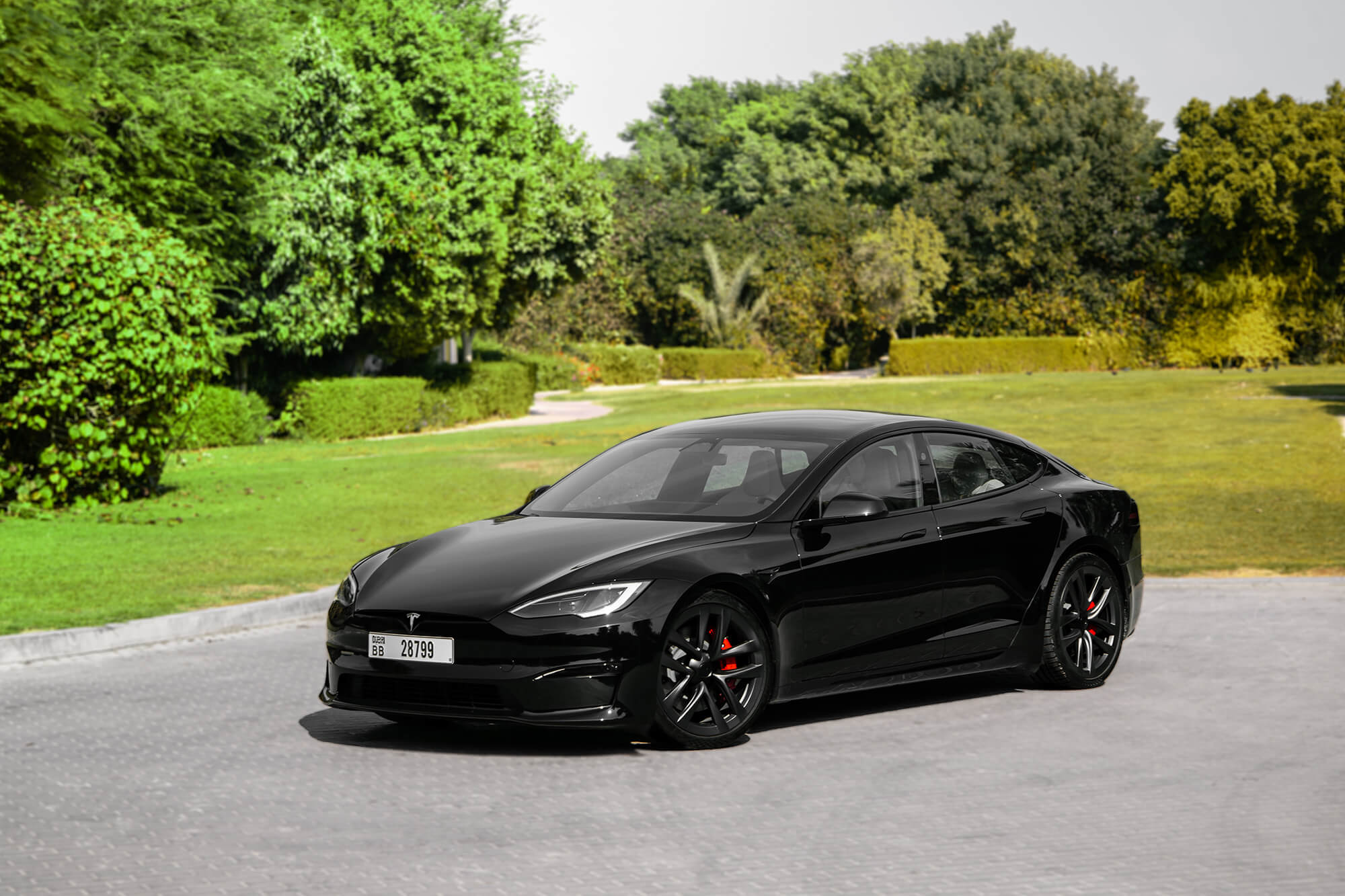
When comparing electric and petrol cars, one of the most practical considerations is overall cost and performance. Fuel prices, charging costs, EV charging infrastructure, consumption rates, and toll roads all play a role in determining which option is more economical for daily use. Purchase price, upfront costs, and potential resale value should also be considered when evaluating a new car in the UAE.
- Petrol costs: Fuel prices in Dubai remain relatively competitive, making petrol cars convenient for long-distance driving without frequent stops. However, frequent acceleration in city traffic and high-speed highway driving can increase fuel consumption, adding to the total cost. On average, driving 100 km in a petrol car can be estimated based on liters used and current fuel prices.
- Electricity costs: Electric car charging is generally cheaper than refueling a petrol car, especially when using workplace or home chargers. Public charging stations are increasingly available across the city, but fast-charging stations may incur higher rates, particularly in high-demand areas.
- Real-world efficiency: Actual costs vary depending on driving style, traffic conditions, and climate control usage. Electric cars perform best in city traffic, where regenerative braking can recover energy, while petrol cars may be more cost-efficient on long highway trips if fuel consumption is moderate.
- Maintenance impact on costs: The electric motor has fewer moving parts, which contributes to lower maintenance costs. In contrast, gasoline vehicles require regular engine servicing, oil changes, brake replacements, and other consumables, which can increase the total cost of ownership.
Considering the overall cost, including insuring an electric car and the potential repairs, helps drivers understand the full financial picture.
Heat, Air Conditioning, and Battery Efficiency
Hot temperatures of the United Arab Emirates have a direct impact on how both electric and petrol cars perform. High heat forces engines and batteries to work harder, while air conditioning use further affects energy consumption and efficiency.
Electric vehicles
EV battery technology is sensitive to high temperatures, which can reduce driving range if the cooling system is under strain. Using air conditioning extensively can further decrease efficiency, although modern EVs are equipped with advanced thermal management to minimize the effect.
Gasoline cars
Gasoline engines handle heat more consistently, but running the AC in peak summer conditions increases fuel consumption and adds to overall fuel and maintenance expenses. Extended high-speed driving in the heat may also affect engine performance if cooling systems are not optimal.
Real-world impact
In everyday Dubai driving, balancing comfort and efficiency is important. For EV owners, planning charging stops while managing battery temperature is important, whereas petrol car drivers need to account for slightly higher fuel use when using AC frequently.
Charging Infrastructure and Petrol Stations Availability
Dubai’s growing EV ecosystem and long-established fuel network create two very different experiences for drivers.

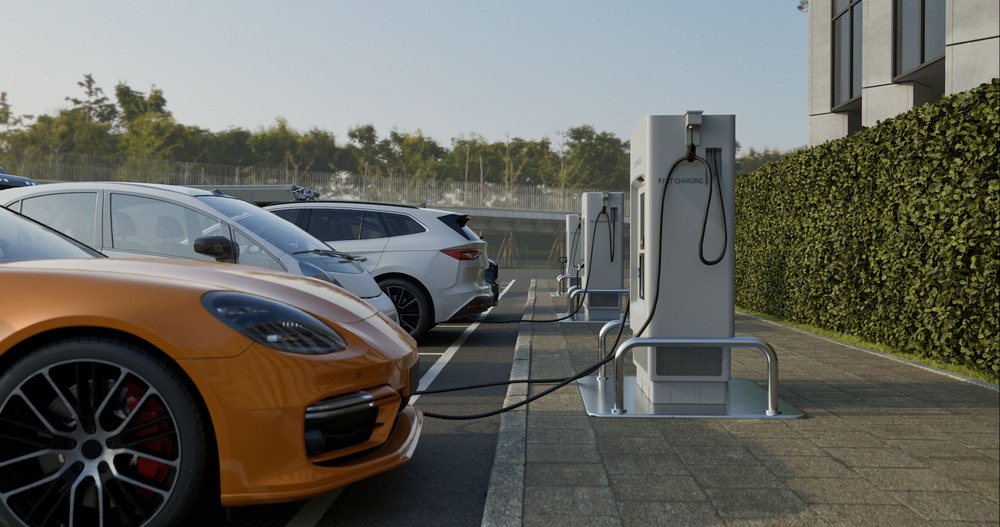
- Charging stations: The number of public charging stations is increasing across Dubai, especially in malls, residential communities, and major highways. However, charging still requires more time than refueling, and access can depend on station availability, charging speed, and the driver’s location. Some drivers also experience range anxiety, particularly when traveling far from urban centers. Home and workplace chargers offer the most convenience, but are not available to everyone.
- Petrol station access: Petrol stations are widespread, easy to find, and designed for fast refueling. Drivers can fill up within minutes and continue their journey, making petrol cars more convenient for unplanned trips or long-distance travel. Despite the growth of electrification, this network continues to dominate the market for convenience.
- Travel flexibility: EV drivers may need to plan longer journeys around charging points, especially when driving outside Dubai, while petrol car drivers generally face fewer limitations due to the dense network of fuel stations.
Testing Both Types of Cars in the UAE Roads
If you want to experience the difference between these two options, luxury car rental in Dubai is a great solution. In the UAE’s growing EV market, drivers today can easily compare different powertrains thanks to a wide selection available. Octane Rent provides a large range of petrol and EV models across different classes, making it possible to feel how each one behaves in everyday conditions.
Octane Car Rental Company Offers
- Wide selection: The fleet presents everything, from compact cars to high-performance models, as well as modern electric vehicles with advanced features. This variety helps drivers experience multiple categories side by side.
- Practical test drives: Trying both cars in Dubai’s traffic lets to feel the difference in acceleration, comfort, and handling.
- Understanding convenience: Using rental cars allows compare charging availability for EVs with the quick refueling of petrol cars, helping to decide which option fits your lifestyle and daily routes.
- Neutral environment: Renting provides a risk-free way to explore both car types without long-term commitment, helping users make smarter choices for future use or general understanding of how each category performs.
Environmental Impact
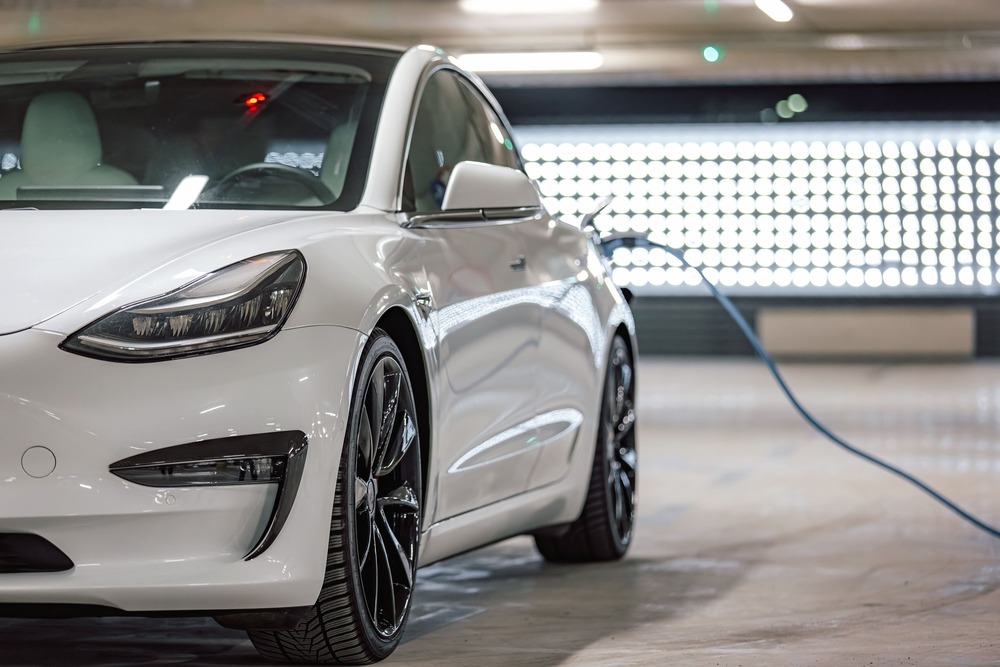
In 2023-2026 UAE continues to see growing interest in EV adoption, encouraging drivers to switch to electric models.
EVs produce zero tailpipe emissions during daily driving, helping to reduce air pollution in high-traffic districts and supporting the country’s sustainability goals. Full charge cycles using renewable energy sources further enhance their environmental benefits.
Petrol cars, on the other hand, emit CO₂ and other pollutants, contributing to air quality challenges in a hot, densely populated city.
Noise levels also differ significantly: Elecric vehicles operate much more quietly, creating less disturbance in residential areas and busy streets, while petrol cars generate noticeable engine and exhaust sounds.
With high temperatures and constant air conditioning use, minimizing emissions is crucial for improving air quality and reducing heat buildup between buildings. As Dubai continues investing in green mobility and cleaner energy, the environmental advantages of EVs become increasingly important.
Petrol cars remain widely used, but their ecological footprint is higher, affecting both air quality and the urban environment.
UAE government incentives and initiatives, such as free parking for EV owners, encourage more residents to increase electric car ownership.
Practicality for Tourists and Residents
For tourists
Petrol cars generally offer greater flexibility for short-term trips. They are easy to find for rent, refueling is quick and widely available, and drivers do not need to plan trips around charging station locations. This makes petrol vehicles more suitable for tourists sightseeing in the city, exploring attractions and taking spontaneous trips across the Emirates. They also benefit from the ability to drive longer distances without worrying about battery range.
For residents
Electric cars can be more practical and cost-effective over time. Access to home and workplace charging allows daily commuting without frequent visits to public stations, while lower running costs and reduced maintenance contribute to long-term savings. Residents can plan charging around their schedules, and as Dubai expands its charging infrastructure, using an EV becomes increasingly convenient. Additionally, incentives for sustainable transportation make EVs more appealing for long-term EV ownership.
Electric or Petrol for Dubai Roads?
Both types of cars have clear advantages, and understanding these can help drivers make the best choice for their lifestyle.
- Electric cars are ideal for residents or anyone with predictable daily routes, access to home or workplace charging, and a focus on sustainability and cost-efficiency. Their quiet operation, low maintenance, and zero tailpipe emissions make them perfect for city driving, rush-hour traffic, and shorter commutes. Drivers who want to reduce running costs and environmental impact will also find EVs appealing.
- Petrol vehicles remain more convenient for travellers, infrequent drivers, or those who frequently drive long distances across Dubai and the UAE. Quick refueling, widespread petrol station availability, and consistent engine performance make petrol cars ideal for spontaneous trips, highways, and desert drives where charging options may be limited.
Understanding your daily needs and travel patterns is the key to choosing the right vehicle.