










































- Quick Guide
- Why Traffic Patterns Change During Ramadan in Dubai
- Best Times to Drive During Ramadan
- Times You Should Avoid Driving
- Why Wednesdays Are the Most Dangerous Day During Ramadan
- How to Plan Your Routes
- Parking Advice
- Why Driving a Rental Car Can Be More Convenient During Ramadan։ Benefits of Driving a Well-Equipped Car
- Safety Tips for Driving During Ramadan
- FAQ
Ramadan in Dubai brings a unique rhythm to the city. Whether you’re commuting home, heading out to break your fast, or navigating the city after sunset, getting stuck in traffic can quickly turn a calm day into a stressful one. Knowing how to plan your routes and timing during this holy month can make all the difference.

Quick Guide
- Worst time to drive: 1–2 hours before sunset and around Maghreb
- Best times: early morning before 8:00 AM midday 10:00 AM–2:00 PM after iftar 8:30–9:00 PM
- Most congested roads: Sheikh Zayed Road, Al Khail Road, routes to malls, mosques, residential areas
- Most risky day: Wednesday due to midweek fatigue and higher activity
- Smart planning: use navigation apps avoid highways plan alternative routes
- Extra tip: leave 15–20 minutes earlier or later to bypass peak congestion
- Comfort solution: rental cars with navigation and driver-assist features reduce stress
- Safety first: keep distance stay hydrated drive defensively

Why Traffic Patterns Change During Ramadan in Dubai
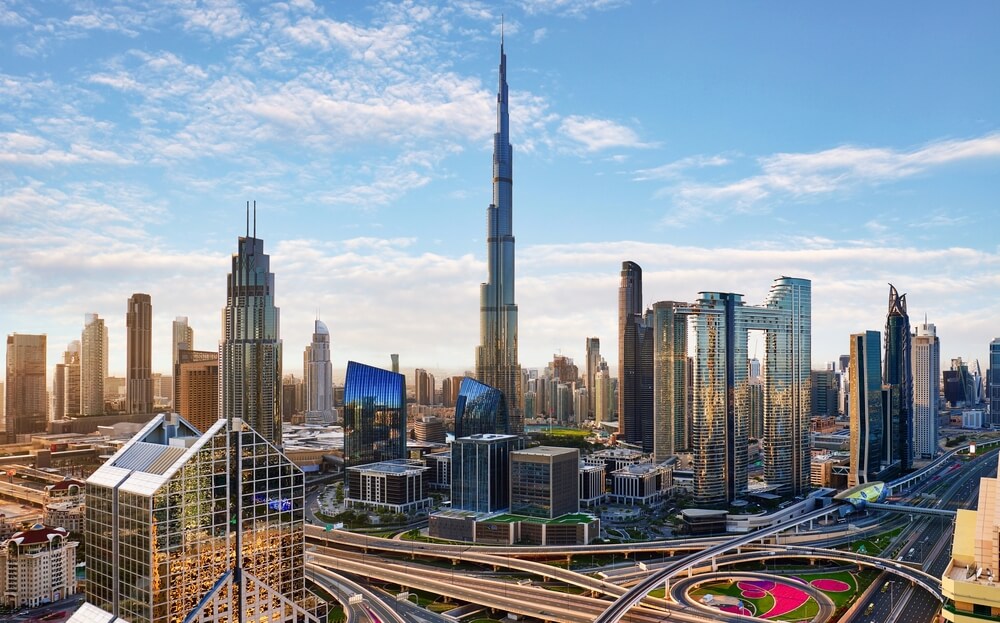
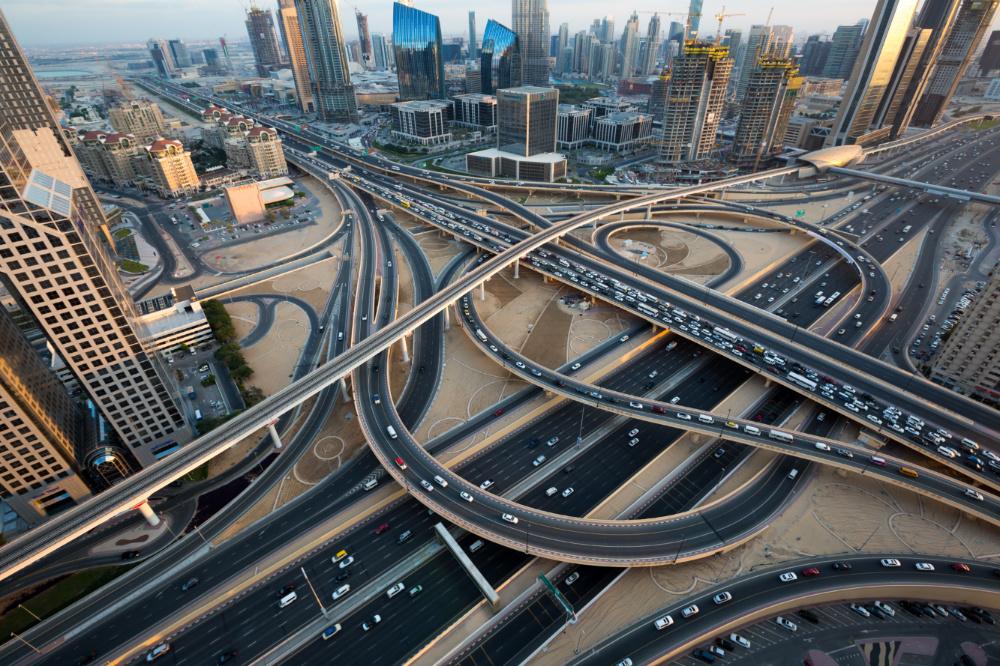
Driving during the holy month of Ramadan, the city’s traffic situation undergoes noticeable changes. Shifted work schedules, early dismissals, and the city-wide movement of residents heading home or to iftar gatherings create unusual traffic congestion. In the hour before sunset, major highways and popular districts experience a surge in traffic as people rush to reach their destinations before the call for Maghreb prayer. Key roads, such as Sheikh Zayed Road and Al Khail Road, as well as routes leading to shopping malls and residential areas, face particularly heavy traffic loads during this period. Meanwhile, at certain times of the day, the roads are surprisingly clear.
With some strategic planning and local knowledge, you can avoid traffic jams and move through the UAE roads efficiently. This guide will walk you through the peak traffic times to avoid, the best routes to take, and practical tips that will help you navigate Dubai’s roads smoothly.
Best Times to Drive During Ramadan
To avoid getting stuck and unnecessary stress, planning your trips is important. The best times to be on the road are:
- Early Morning (before 8:00 AM): Streets are relatively quiet, making it easier to commute to work or run errands.
- Midday (10:00 AM – 2:00 PM): Traffic is moderate since many people are at work or school, but drivers should remain alert, as Ramadan can make fatigue more noticeable.
- After Iftar (with a small time buffer, around 8:30–9:00 PM): Driving shortly after iftar, while allowing a small time buffer, helps you avoid the immediate rush near dining areas and mosques. Once the initial rush of iftar diners has passed, roads tend to clear up, allowing for smoother driving.
Choosing the right timing is the key factor in avoiding traffic jams during this period and saving a lot of stress.
Times You Should Avoid Driving
- Pre-Iftar Rush (1–2 Hours Before Sunset): This is the busiest and most stressful time on the roads during Ramadan in the UAE. Many drivers rush towards getting home or reaching iftar venues to break their fast before the Maghreb prayer. This often leads to aggressive driving, last-minute lane changes, and traffic bottlenecks, especially on main highways and near residential areas.
- Around Sunset (Maghreb Time): Sunset is also a problematic time for drivers. Hunger, fatigue, and urgency can reduce attention and increase the risk of delays and minor incidents.
- Late Afternoon (4:30–6:30 PM): As work hours end earlier during Ramadan, traffic begins building up sooner than usual. Roads near offices, schools, and shopping districts can become congested, even before the pre iftar rush begins. Leaving slightly earlier or later than the peak times, even by 15–20 minutes, can make a noticeable difference.
Avoiding these time windows whenever possible can significantly improve your driving experience during Ramadan and help you reach your destination more calmly and safely.
Why Wednesdays Are the Most Dangerous Day During Ramadan
Data from Ramadan accident surveys over the years in the UAE show that Wednesdays have the highest number of traffic incidents during the fasting month. Studies based on insurance claims and road safety reports indicate that midweek accidents can account for around 19 % of weekday crashes, higher than other days.
Several factors may contribute to this pattern:
- Midweek fatigue: By Wednesday, many drivers are already tired from the first half of the workweek. This can reduce focus and driving skills, increasing the risk of accidents.
- High Commercial Activity: Midweek is often a busy shopping day, as people prepare for weekend iftar gatherings or personal errands. Roads near malls, markets, and schools can become heavily congested.
- Changing Traffic Patterns: Some workplaces and schools schedule meetings or activities midweek, altering usual traffic flows. Unpredictable road behavior can lead to collisions.
While this pattern has been observed repeatedly in the UAE, it is a statistical trend during Ramadan driving rather than a universal rule. Drivers are advised to plan their journeys carefully, avoid dehydration, and adjust schedules to reach their destination safely. Following Dubai Police guidance on safe driving can also help reduce risks.
How to Plan Your Routes
Familiar routes that are usually efficient may become congested during the start of Ramadan, especially in the evening hours before iftar. Ramadan means increased traffic and more drivers on the road, so planning ahead and considering alternative roads is important. By anticipating peak hours and choosing alternative routes, you can save time and enjoy a smoother commute. Here are some practical tips:

- Use Navigation Apps: Google Maps, Waze, or local navigation tools provide real-time traffic updates and suggest alternative routes to avoid congestion. Checking traffic conditions before leaving can help you adjust your timing or take a different road if necessary.
- Avoid Major Highways During Peak Hours: Highways such as Sheikh Zayed Road, Al Khail Road, and routes leading to popular malls or mosques become heavily congested before iftar. Opt for parallel streets or less-traveled roads whenever possible.
- Plan for Extra Time: Even with careful planning, the traffic can be unpredictable. Leave earlier than usual to accommodate delays.
- Combine Trips: If possible, consolidate errands and appointments into one trip to reduce the number of journeys during peak hours. Fewer trips mean less exposure to congested roads.
- Stay Informed About Local Events: Certain areas host seasonal markets, special prayers, or community gatherings, which can temporarily affect traffic. Staying updated helps avoid surprises and plan a smoother route.
By keeping these times in mind, you can reduce stress and move through Dubai smoothly, respecting the city’s cultural rhythm.
Parking Advice
Parking can be a challenge near busy areas. To make your experience smoother:
- Check parking availability in advance using apps or websites.
- Arrive slightly earlier to secure a convenient spot.
- Consider less crowded streets or alternative parking areas.
- Follow local parking regulations carefully to avoid fines, which are strictly enforced during Ramadan.
This advice helps reduce stress, save time, and ensures you can enjoy your activities without parking headaches.
Why Driving a Rental Car Can Be More Convenient During Ramadan։ Benefits of Driving a Well-Equipped Car
Renting a car offers flexibility and convenience that can make traveling during this period much easier, often more so than relying on personal transport.
Modern rental cars provide access to the latest models equipped with up-to-date navigation systems, top safety features, adaptive cruise control, and driver-assistance technologies. All these are very valuable when spending long periods on the road.
Adaptive cruise control helps maintain a safe distance from other vehicles and reduces fatigue during stop-and-go traffic. Driver-assistance systems, including lane departure warnings, parking sensors, and collision alerts, improve safety and make urban driving less stressful. A well-designed, comfortable interior with spacious seating, climate control, and convenient amenities ensures that longer journeys remain manageable and relaxing, even in congested conditions.
With a rental, you can choose the vehicle that best suits your current needs. Rental also allows for flexible timing, so you can adjust departures to avoid the peak hours, rather than being limited by public transport schedules or another driver’s availability. The freedom to take alternative routes, explore local shortcuts, and bypass heavily congested highways helps save time and reduce stress.
Car rental ensures privacy and convenience, allowing you to stop for prayer, rest, or a quick iftar break without depending on public facilities. For frequent trips, shopping, visiting friends, or attending community events, a rental car can be more cost-effective than multiple taxi rides. Rental cars often include insurance and roadside assistance, which is reassuring when driving in an unfamiliar city.
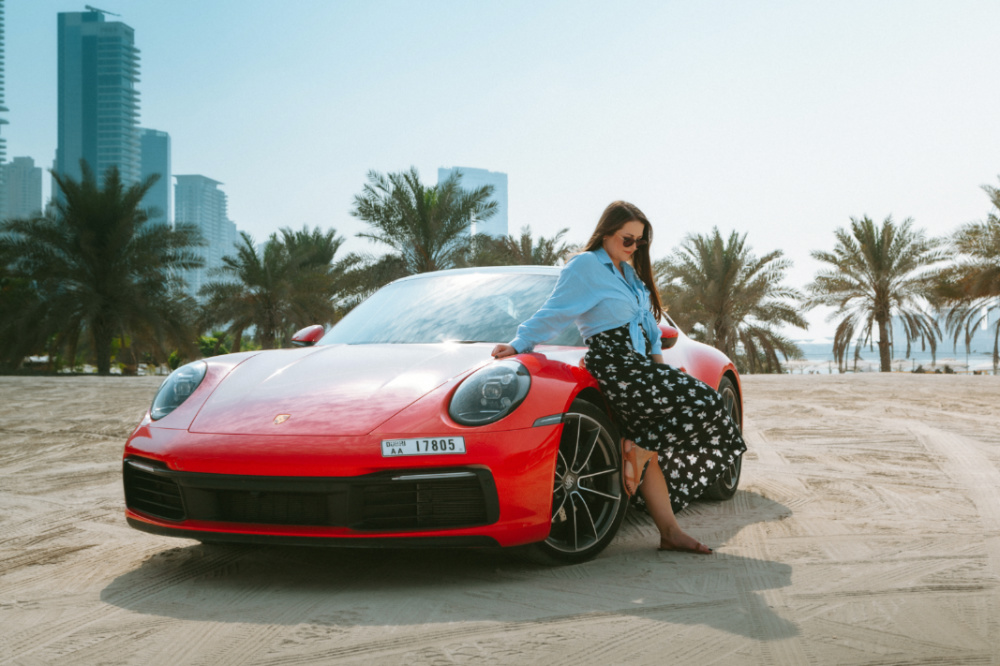
Octane car rental service helps maintain mobility and comfort throughout Ramadan, allowing drivers to navigate in the city efficiently despite increased road congestion. By choosing a rental car, you gain control over your schedule, enjoy modern amenities, and make your travel smoother and less stressful.
Safety Tips for Driving During Ramadan
- Plan your routes and timing: Use real time traffic updates to avoid rush hour.
- Maintain a safe distance: Defensive driving techniques and keeping a safe distance between vehicles reduce the risk of traffic accidents during Ramadan
- Stay alert and focused: Fasting can result in dehydration and low blood sugar levels, which may make drivers drowsy. Make sure to get enough sleep, eat properly before suhoor, and stay hydrated to maintain your focus while driving.
- Be cautious of other road users: Pedestrians, other drivers, and traffic participants might misbehave on the roads, particularly during Ramadan traffic. Watch out for potentially irrational behavior and drive safely at all times.
- Follow safe driving practices: Road safety UAE is enhanced when drivers are caution while driving and adhere to the UAE traffic rules. A mix of psychological urges and physical needs, and motorists might affect attentiveness. So it’s important to eat and sleep enough, avoid fatigue, and plan your travel with a small buffer time.
- Avoid problematic times when possible: Morning rush hour, sunset, and near iftar time are especially challenging. Offering real-time traffic monitoring and planning can help you drive during the month of Ramadan more safely.
- Limit distractions while driving: Avoid using your phone while driving to maintain full attention.
- Follow traffic rules carefully: Always follow traffic rules and regulations in the city to stay safe.
With these driving tips, the right approach and by choosing convenient transport options, getting around Dubai during the holy month can remain comfortable and safe. For those who prefer flexibility and ease, renting a car can be a practical solution to navigate the city while minimizing stress and ensuring a safer driving.