






















- QUICK GUIDE: Car Logos and Brand Names in 30 Seconds
- Why Car Logos and Emblems Matter in the Automotive World
- Performance and Sports Car Brands
- Luxury and Premium Automobile Logos
- German Engineering and Precision
- American Car Brand Logos
- Japanese and Asian Car Brands
- Electric and Future-Focused Car Logos
- How Car Logos Reflect Driving Culture in Dubai
- Renting Iconic Car Brands in Dubai
- Car Logos and Brand Identity
- FAQ
Logos reflect a brand’s philosophy and concept, increase recognition, and are the easiest way for consumers to distinguish among automobile brands.
This article is a complete guide to automotive logos and names, especially those popular in Dubai.
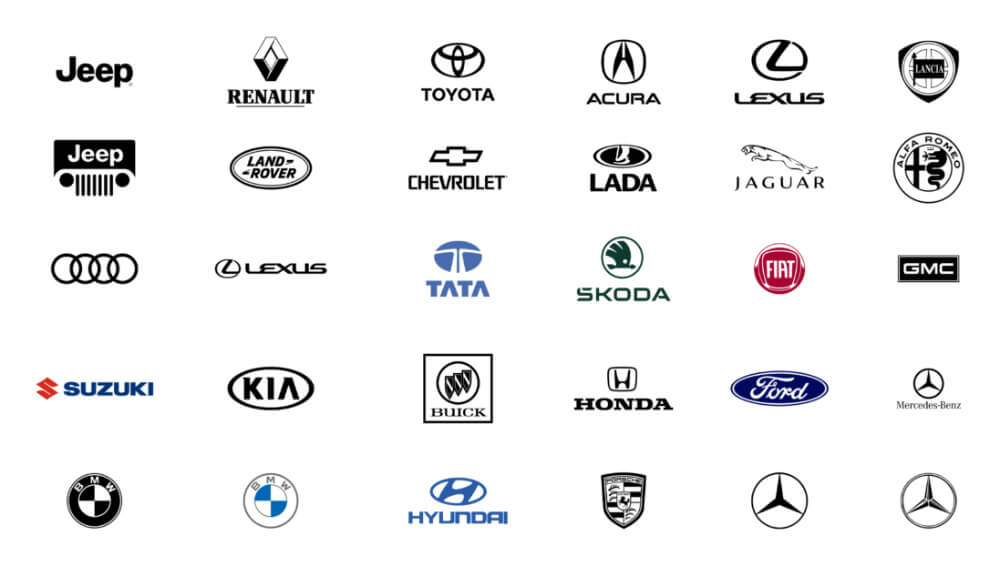
QUICK GUIDE: Car Logos and Brand Names in 30 Seconds
- Why logos matter: Assist in quickly recognizing brands, foster emotional connections and brand loyalty, support premium pricing and prestige, operate globally, and remain language-independent.
- What logos usually represent: Animals (Ferrari, Lamborghini) as symbols of speed, power, and emotion. Heraldry (Porsche, Cadillac) is a symbol of heritage and tradition. Minimalism (Audi, BMW, Tesla) focuses on technology and engineering precision.
Brands in the article:
- Sports car: Ferrari, Lamborghini, Porsche, McLaren.
- Luxury vehicles: Rolls-Royce, Bentley, Mercedes-Benz, Lexus, Range Rover.
- German engineering: Audi, BMW.
- American brands: Ford, Chevrolet, Dodge, Cadillac, GMC.
- Asian brands: Toyota, Nissan, Hyundai, Kia, Infiniti, Jetour.
- Electric vehicles: Tesla.
Why Car Logos and Emblems Matter in the Automotive World
Logos have become a powerful tool for communication between brands and people. The brain reads car emblems in a fraction of a second and immediately forms associations, expectations of the car, and a sense of belonging. A strong car company logo helps solve several problems:
- Provides instant identification in traffic, parking lots, or advertisements.
- Strengthens protection against copying.
- Creates an emotional connection that makes the emblem part of the owner’s personal identity (Ferrari, Porsche, and Land Rover have formed entire subcultures).
- Allows for higher prices to be justified by prestige.
- Works equally effectively in any country, in any language, and in any size.
- Conveys the history and heritage of the brand in a second. Examples that immediately come to mind are the Stuttgart coat of arms on Porsche, the bull on Lamborghini, and the three rings on Audi.
A strong logo helps the car stand out and attract buyers’ attention.
Simplicity and uniqueness are key: the emblem should be instantly recognizable, even when small and viewed from a distance. Years of using the same design create a lasting reflex, and contextual power connects to cultural codes and archetypal symbols: animals convey strength and speed, heraldry conveys prestige and tradition, and geometry hints at technological sophistication.
Buyers often choose a car based on the emotions and status conveyed by the emblem. Mercedes vehicles can cost 30-60% more than similarly equipped models due to the brand’s prestige. Ferrari or Porsche owners value the opportunity to associate themselves with these emblems. Chinese brands are actively developing their logos to reinforce the perception of quality.
Car logos and names serve as practical sales tools: they shape expectations, justify the price, build loyalty, and turn the car into an object of desire and a symbol of identity.

Performance and Sports Car Brands
Sports car logos are designed to associate with speed, power, and passion. Each emblem tells car enthusiasts a story that connects the brand to motorsport success and high-performance driving. Let’s dive into the history behind iconic car logos.
Abarth
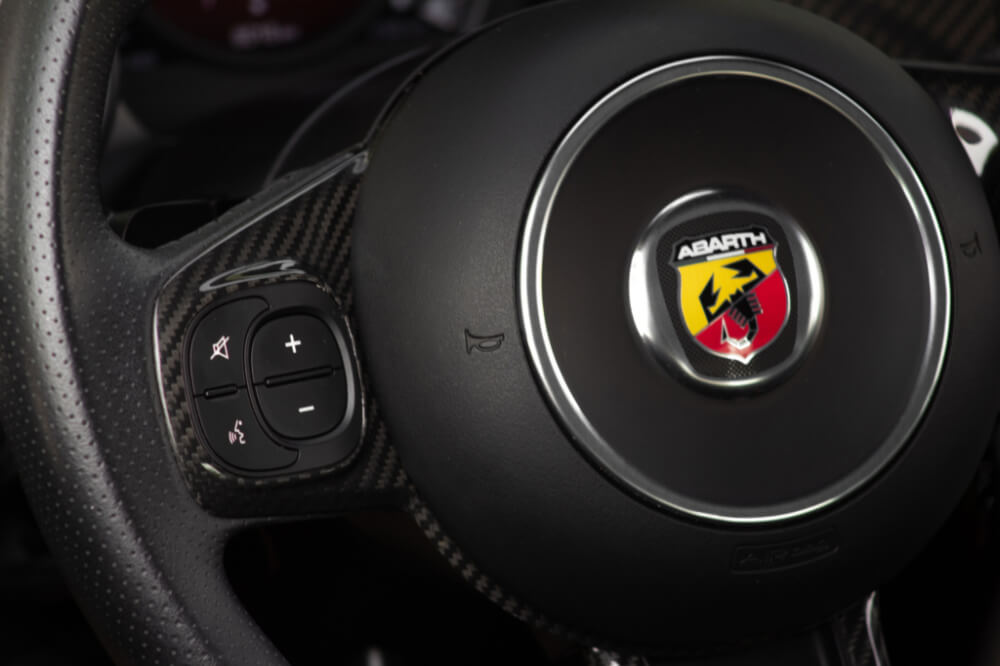
The logo features a stylized scorpion on a red-and-yellow shield. The scorpion symbolizes aggression, agility, and a stinging attack. The story behind it is simple: it reflects founder Carlo Abarth’s zodiac sign and his philosophy of creating small cars with powerful performance. Abarth’s deep roots in racing and tuning Fiat models strengthen its identity as a high-performance brand focused on sharp handling and exhilarating drive.
Ferrari
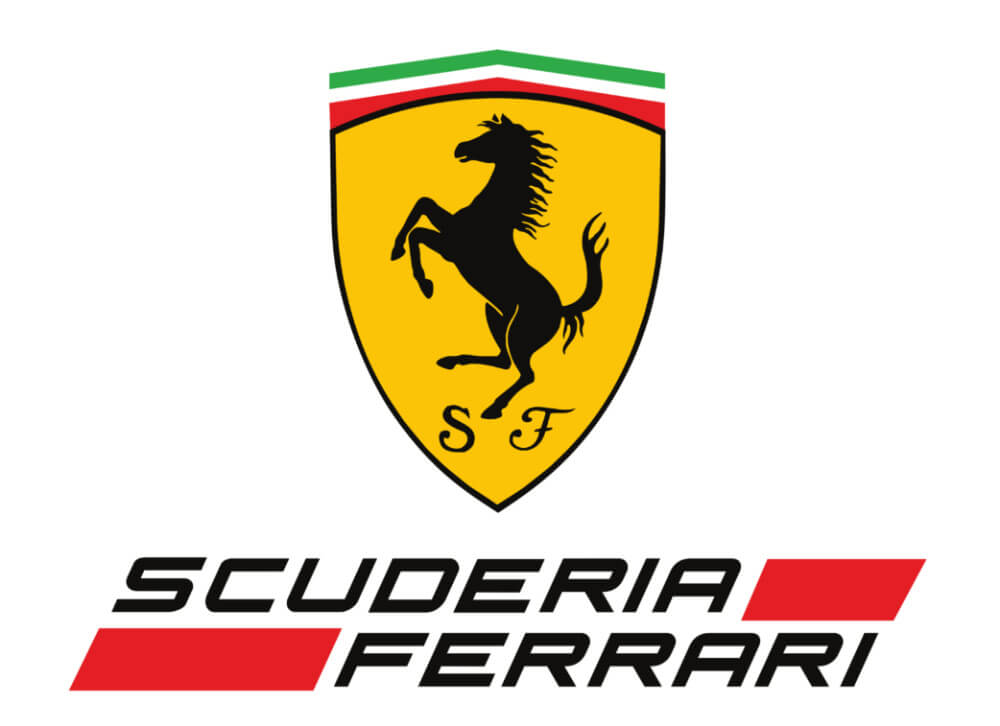
The famous Prancing Horse (Cavallino Rampante) depicts a rearing black stallion on a yellow shield. It originated from Italian World War I flying ace Count Francesco Baracca, who painted it on his aircraft. Enzo Ferrari adopted the emblem after meeting Baracca’s mother, who told him it would bring good luck. The Prancing Horse symbolizes bravery, speed, and liberty, aligning with Ferrari’s legendary history in Formula 1 and its street cars inspired by racing innovation. Today, this iconic symbol continues to attract car enthusiasts around the world. For those who want to experience the spirit of the Prancing Horse beyond history books and racetracks, renting a Ferrari in Dubai offers a unique opportunity to feel its performance, design, and racing heritage firsthand on some of the world’s most impressive roads.
Lamborghini
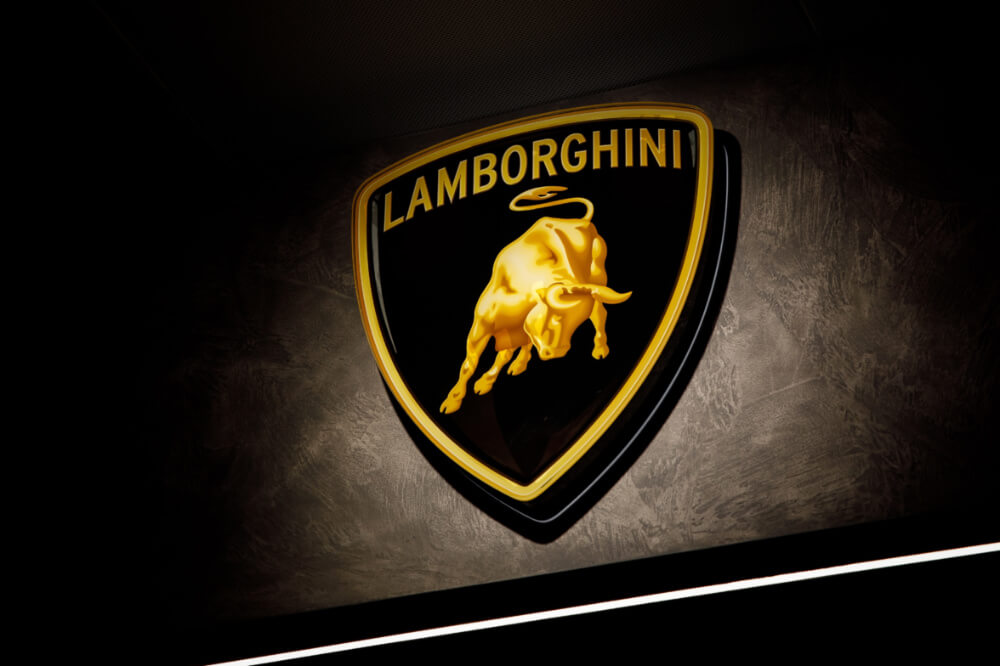
The iconic emblem is a bull in a black shield with gold accents. Founder Ferruccio Lamborghini chose the bull to represent strength and power (partly as a bold response to Ferrari). Bulls also reflect his zodiac sign (Taurus) and remind us of the Spanish fighting bulls. This aggressive symbol reflects Lamborghini’s focus on extreme performance and dramatic design, and its success in delivering raw supercars.
McLaren
The current logo is a minimalist speedmark, a stylized vortex, or a kiwi-bird-inspired curve. It represents aerodynamic efficiency, speed, and progressive engineering.
Porsche
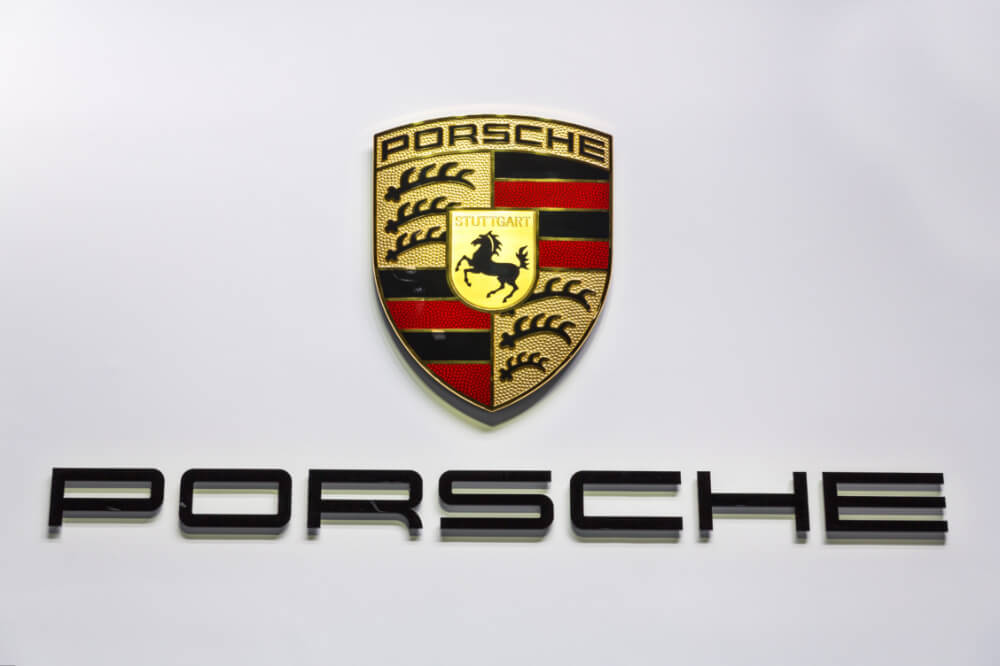
The logo is a coat of arms featuring a rearing horse (from Stuttgart’s historic coat of arms), deer antlers (from Württemberg), and red-and-black stripes. At its center is the name of the city of Stuttgart. It merges regional roots with the prancing horse symbol, representing power and elegance. Porsche is strongly associated with motorsport success, particularly at Le Mans, while also manufacturing road cars renowned for everyday usability, exceptional performance, and high engineering standards.
Luxury and Premium Automobile Logos
In the luxury and premium automotive segment, logos symbolize exclusivity and status. These iconic emblems represent heritage, engineering superiority, and remarkable comfort.
Bentley
The Bentley logo features a “B” letter in a circle with wings. The wings symbolize speed, power, and upward striving, while the “B” honors founder W.O. Bentley. This emblem reflects Bentley’s legacy of detailed craftsmanship and automotive victories, including multiple Le Mans wins in the 1920s. This heritage and attention to detail continue to define the brand today. For those who want to experience Bentley’s signature luxury, comfort, and performance in real driving conditions, renting a Bentley in Dubai allows you to enjoy its refined craftsmanship and presence on the city’s roads without long-term ownership.
Rolls-Royce
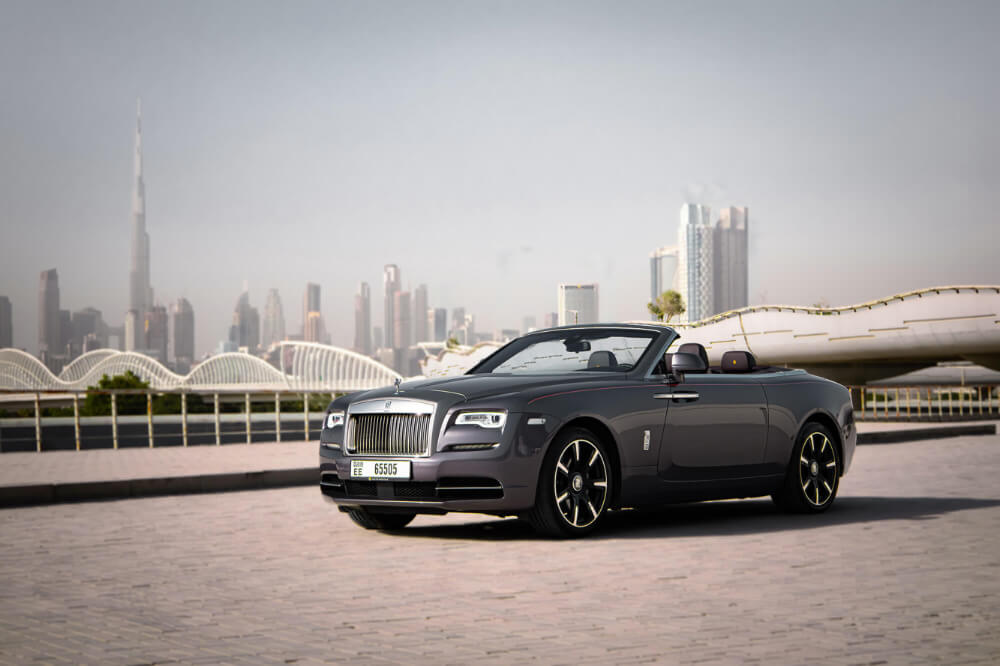
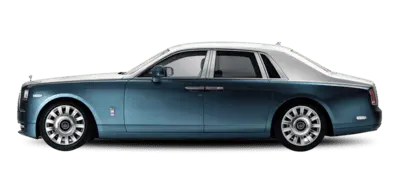
The iconic Rolls-Royce emblem includes the Spirit of Ecstasy hood ornament, which is a graceful winged figure leaning forward, and the interlocking “RR” badge. The hood ornament was ordered by John Walter Edward Douglas-Scott Montagu of Beaulieu and designed by Charles Sykes, who was inspired by Eleanor Thornton and based on the de la Mothe figure. It is one of the most enduring logos. First introduced in 1911, it has remained largely unchanged since and has become a symbol of automotive excellence. It represents quietness, elegance, and effortless power. Rolls-Royce is dedicated to supreme comfort, personalized luxury, and unmatched social status.
Mercedes-Benz
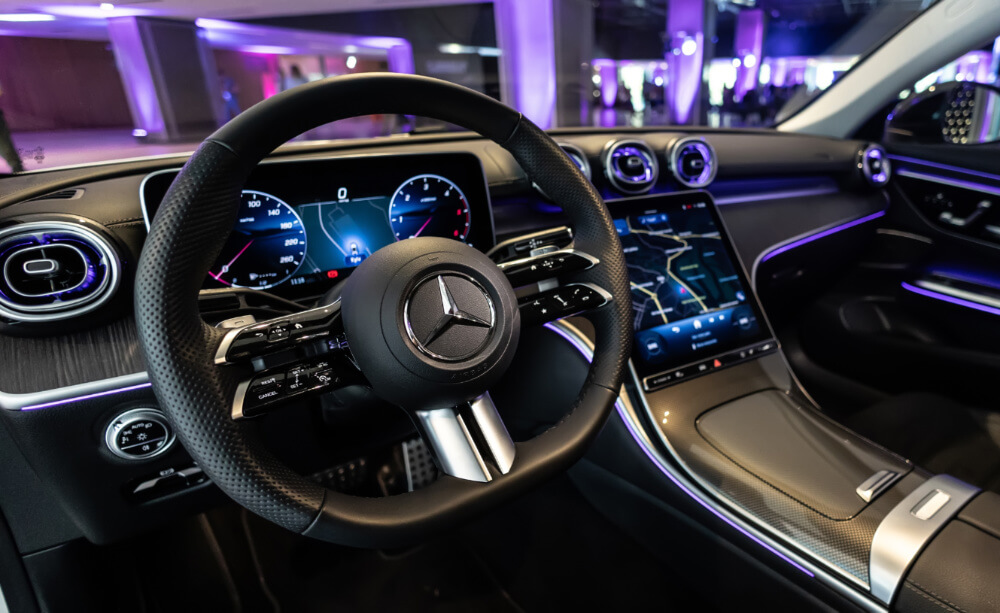
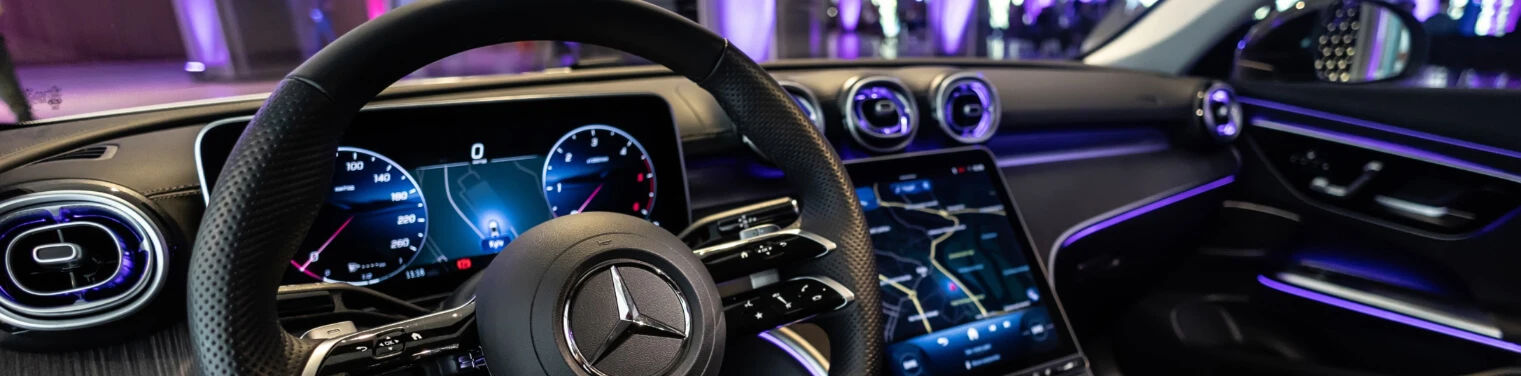
The three-pointed star within a circle is one of the most recognizable luxury symbols worldwide. It was created in 1909 by Gottlieb Daimler. To be precise, the symbol appeared in 1909, but it became part of the Mercedes-Benz logo in 1926. It originally represented dominance over land, sea, and air through Daimler’s engines. Over time, it became a symbol of exact engineering and creative innovation. The emblem instantly means reliability, sophisticated comfort, and high status, reinforcing Mercedes-Benz’s position as a standard for premium automobiles that blend performance with refined elegance.
Lexus Emblem
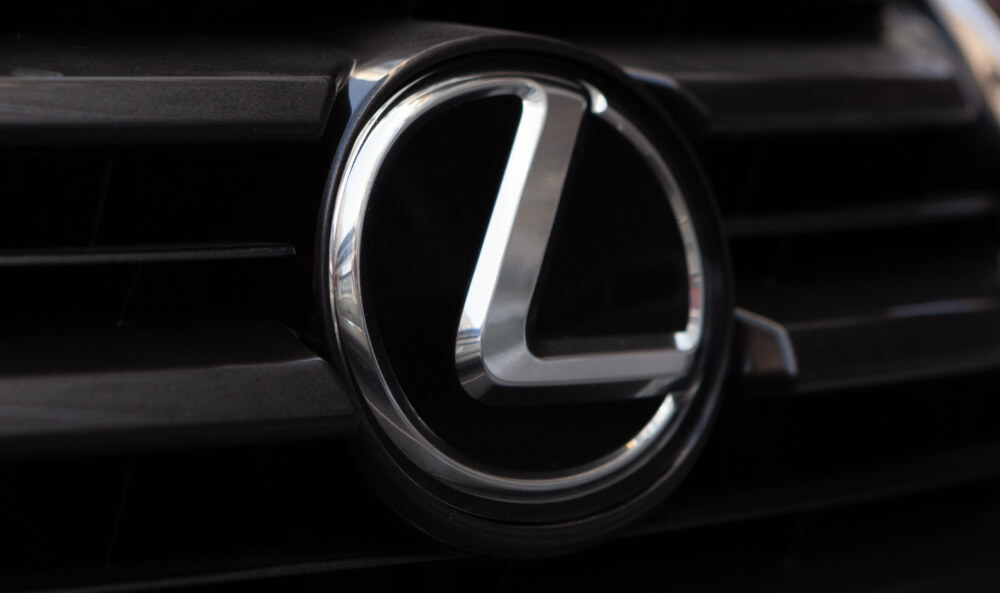
The Lexus’s famous automotive emblem features a stylized “L” in an elegant oval and was launched in 1989. Its curves were carefully mathematically refined to create visual harmony. Inspired by Japanese craftsmanship and hospitality (omotenashi), the logo represents perfect quality and refined sophistication. It conveys a sense of calm comfort, cutting-edge technology, and understated luxury, attracting owners who desire premium elegance without flashy display.
Range Rover
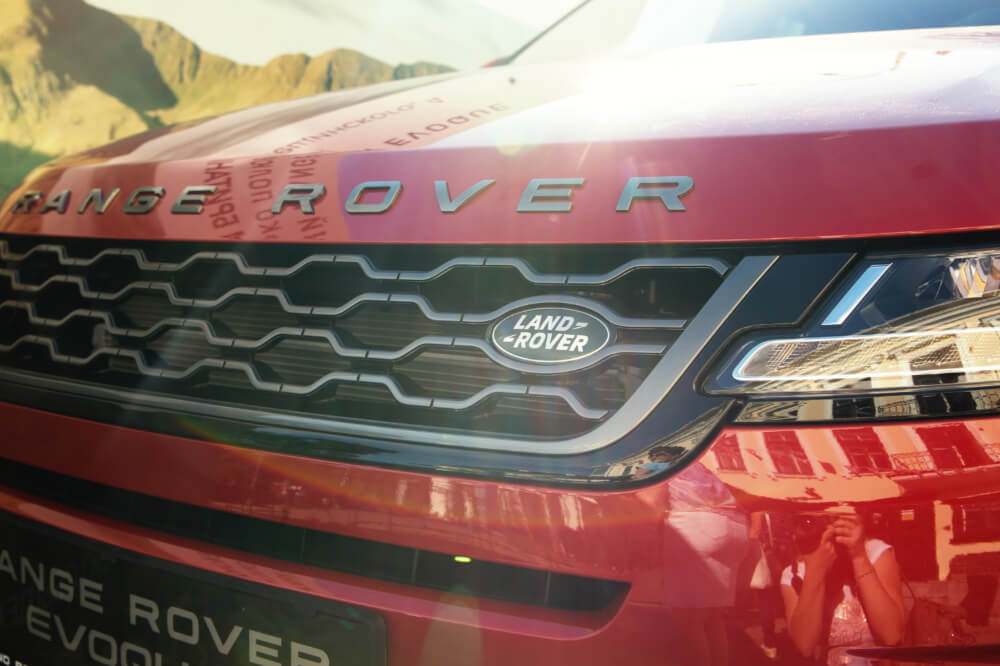
The Range Rover’s iconic logo is an oval badge with the brand name in unique green and gold lettering. Rooted in Land Rover’s heritage since 1970, the design produces powerful elegance and versatility.
German Engineering and Precision
German automotive brands are known for minimalist logos, precision, and a deep-rooted engineering philosophy. These emblems prioritize clean lines, advanced technology, superior build quality, and performance excellence.
Audi
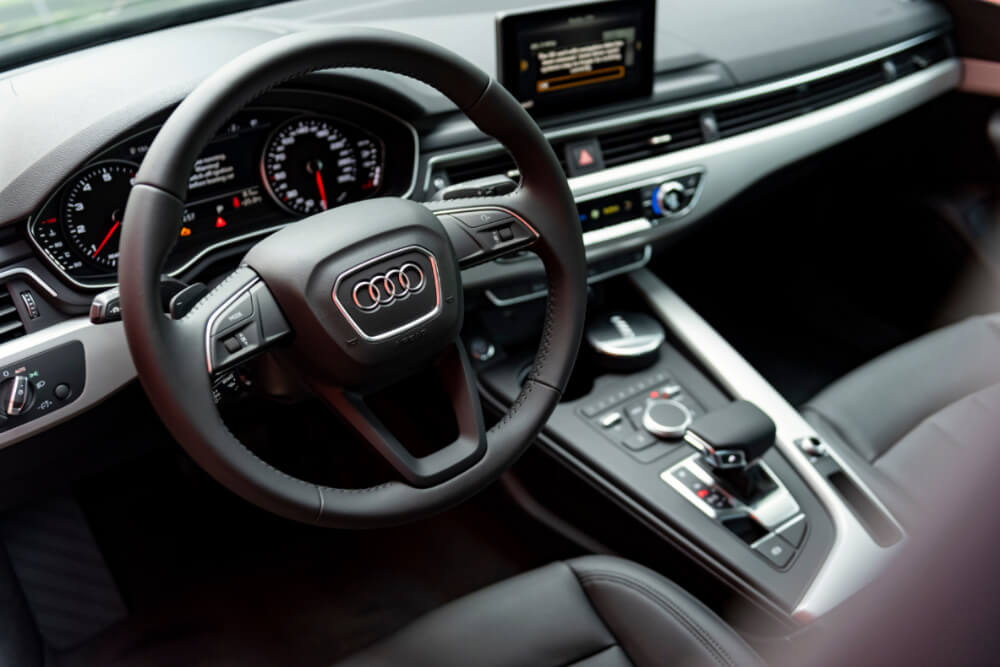
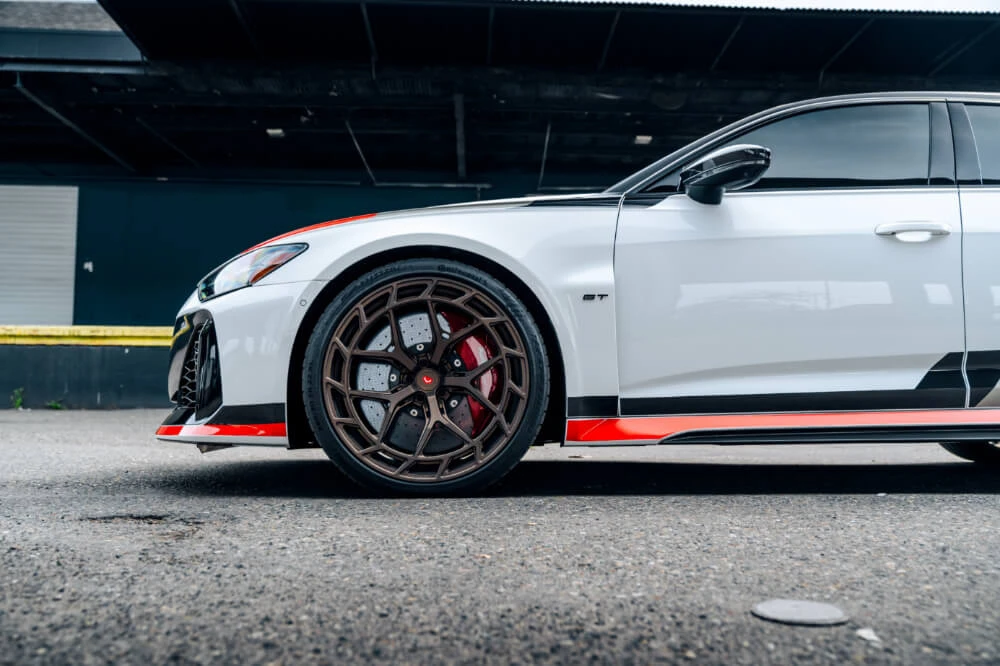
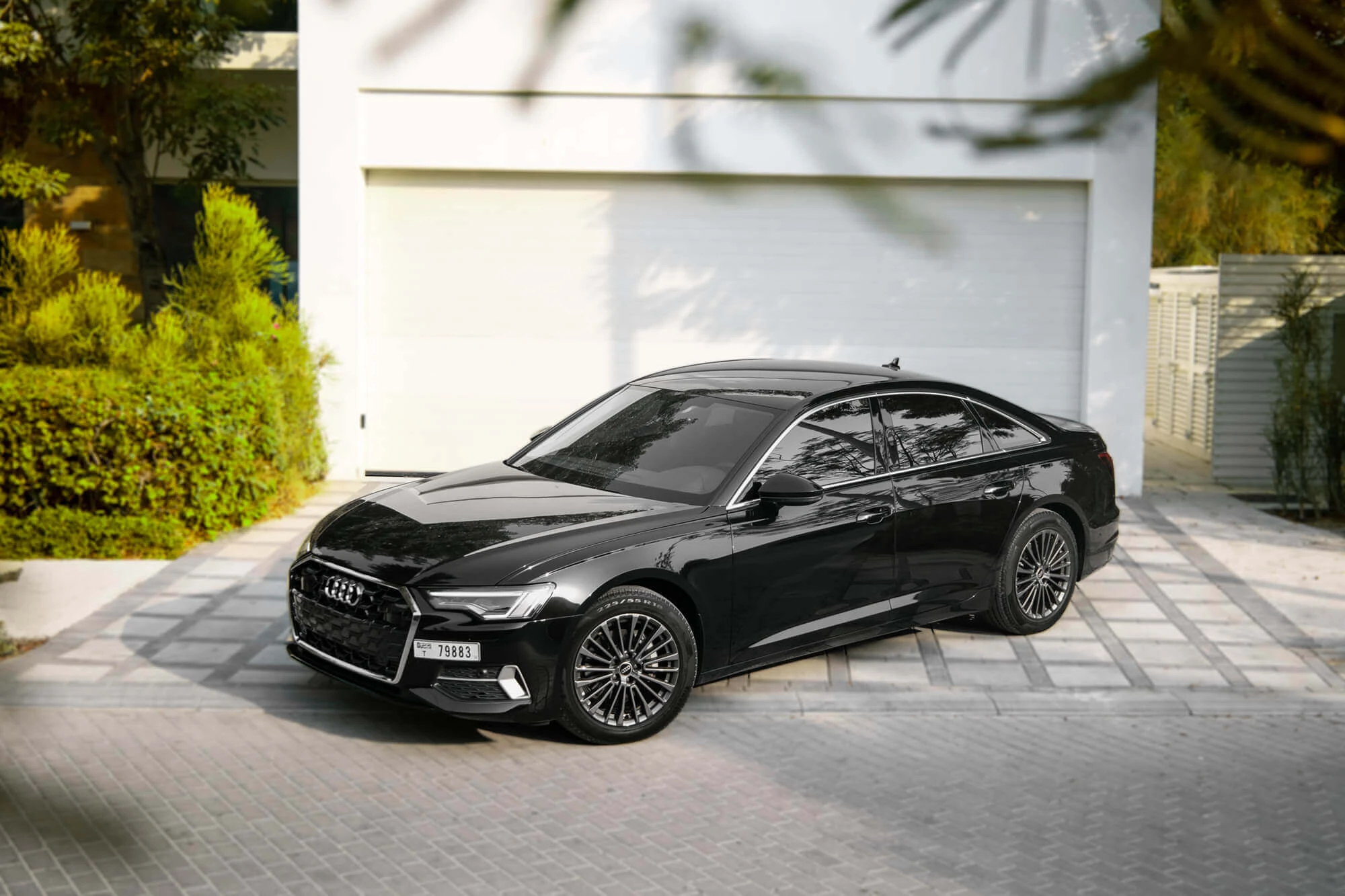
The four rings represent the 1932 merger of four independent companies: Audi, DKW, Horch, and Wanderer. Founder August Horch originally named his first company after the Latin translation of his surname (“listen”). The simple, symmetrical rings symbolize unity, strength, and seamless integration. This minimalist design highlights Audi’s commitment to cutting-edge technology (such as quattro all-wheel drive) and refined engineering that deliver precise handling and premium quality.
BMW
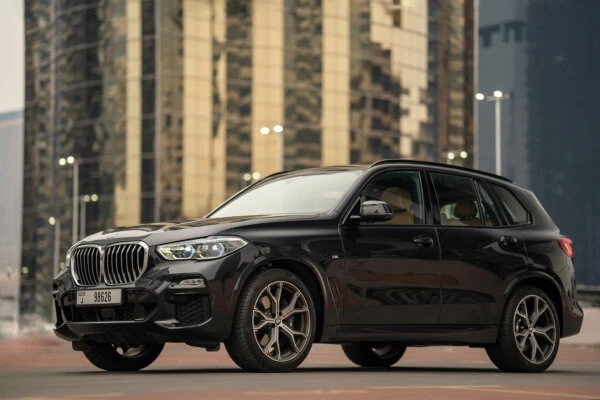
The BMW logo features a quartered circle in blue and white, which are simply the colors of the Bavarian flag. Originally an aircraft engine manufacturer, the emblem was inspired by a newspaper image of a spinning propeller against the sky (though BMW officially attributes it solely to Bavarian heritage). The roundel symbolizes motion, balance, and aviation-inspired precision. BMW’s logo perfectly reflects the “Ultimate Driving Machine” ethos.
American Car Brand Logos
American car badges often speak about boldness, strength, and practicality. They’re reflecting the country’s automotive heritage: highways, powerful muscle cars, and SUVs. These emblems convey massiveness, raw power, and a connection to everyday capability.
Cadillac
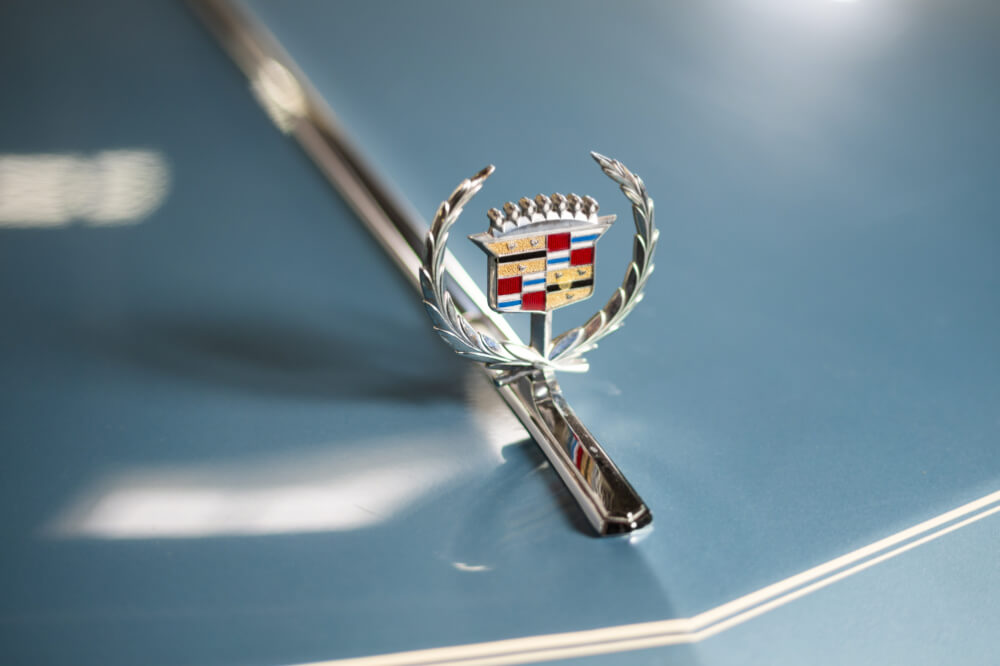
As one of the oldest American automotive manufacturers, Cadillac’s crest features a stylized shield with ducks, crowns, and a laurel wreath. It is growing from the family coat of arms of the founder, Antoine de la Mothe Cadillac. The bold, ornate design reflects American luxury, blending automotive artistry with enduring strength and status.
Chevrolet
The famous “bowtie” emblem is bold yet straightforward. It looks like a gold cross-like shape on a colored background. Originating in 1913 (with debated stories involving wallpaper patterns or a Swiss cross), it has become one of the most recognizable brand emblems worldwide.
Dodge
Dodge logos have changed frequently. The ram symbolizes aggression, determination, and an unstoppable force, closely associated with the brand’s muscle-car heritage, including the Charger and Challenger. This strong imagery highlights raw power, performance supremacy, and a revolutionary American spirit.
Ford
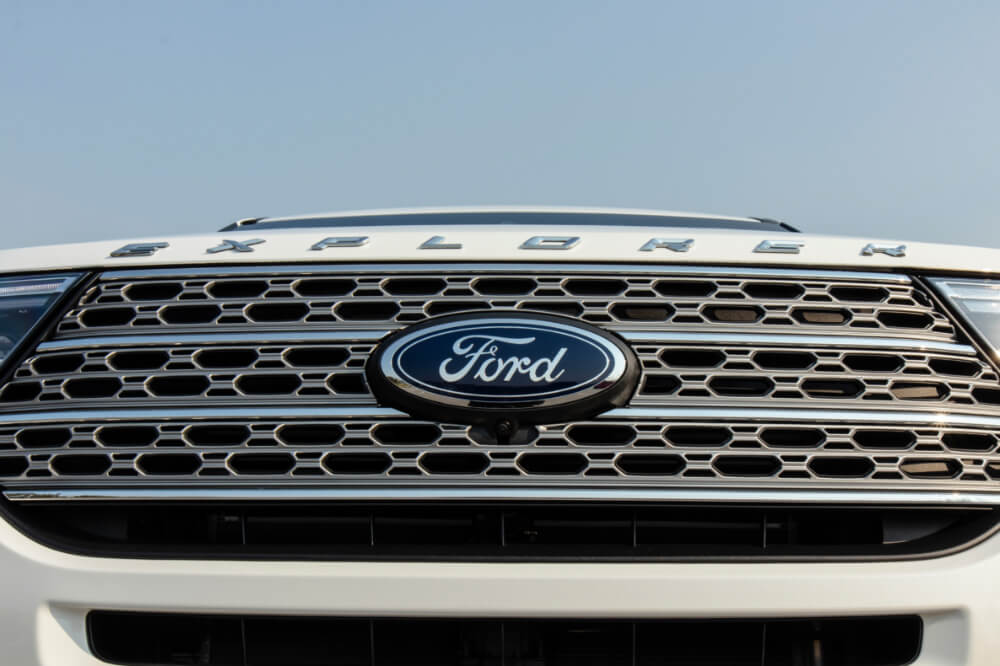
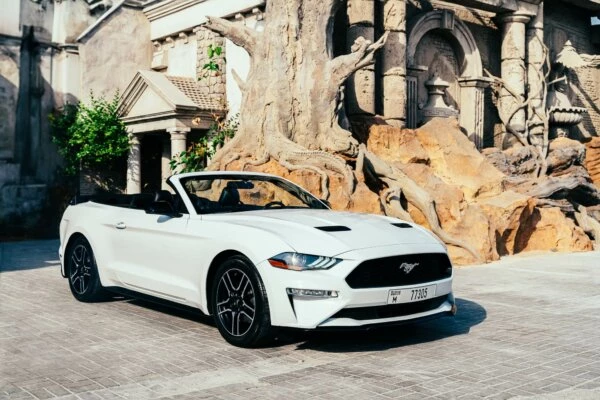
The well-known blue oval Ford logo features the flowing white “Ford” script, which was first introduced in 1912 to build customer trust and familiarity. Its graceful yet durable cursive design presents reliability and friendliness. The oval shape represents a sense of completeness and strength.
GMC
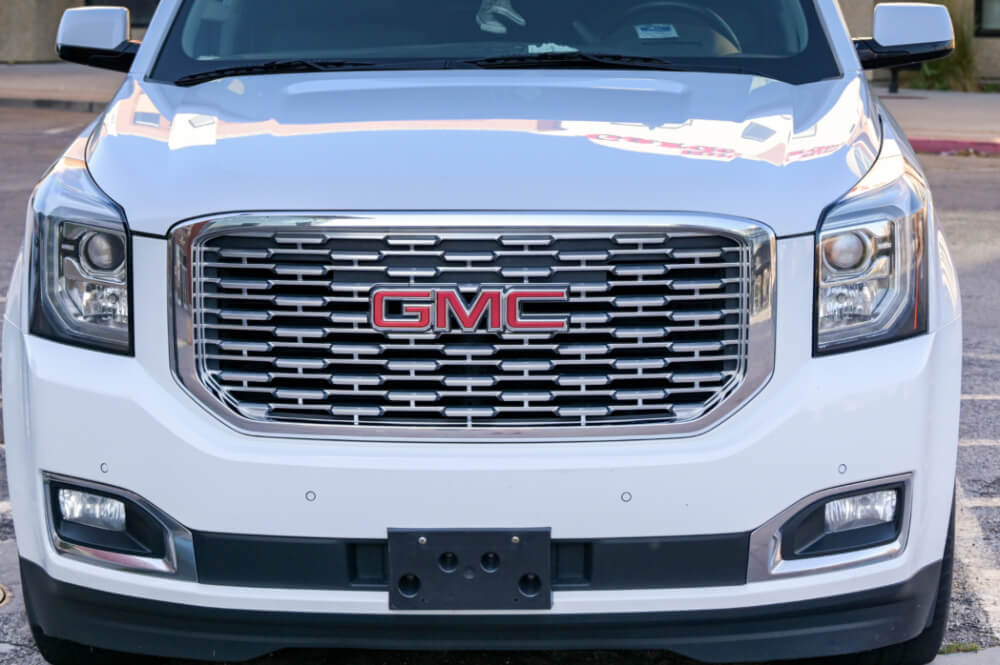
GMC’s striking red block letters “GMC,” set inside a chrome-etched rectangle, highlight sturdiness and professionalism. Originating from truck and utility vehicle manufacturing, the emblem’s sleek, bold design showcases durability and premium ruggedness. It symbolizes strength for both work and leisure, both car design and its functionality.
Japanese and Asian Car Brands
Japanese and Asian automotive brands have built their reputations on reliability, innovation, and accessibility. Their logos often feature clean, minimalistic, and modern designs. They symbolize trust, technological advancement, and value for a wide range of car buyers.
Toyota
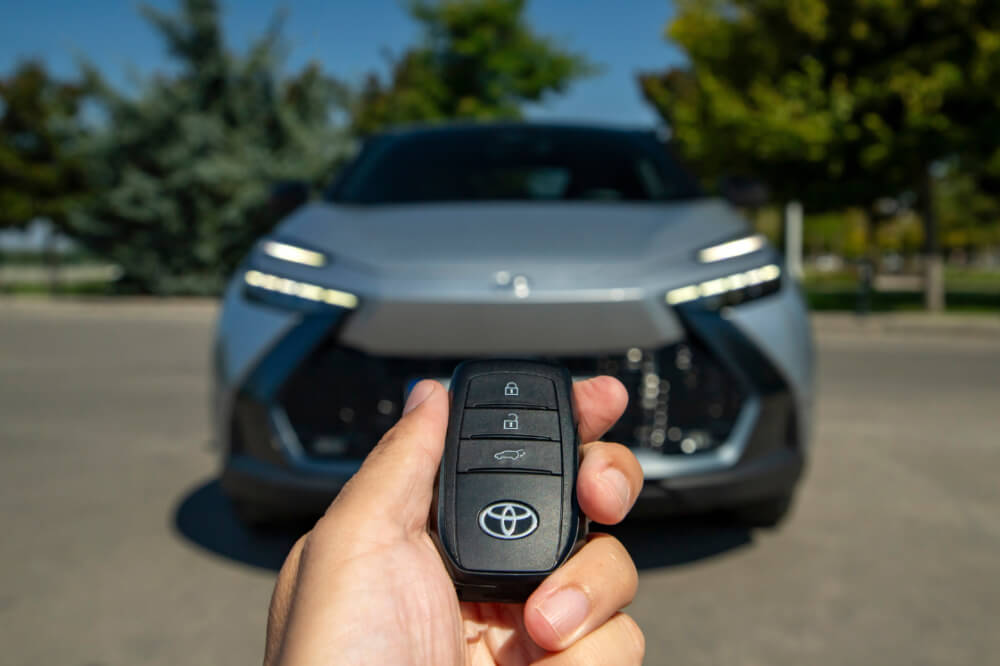
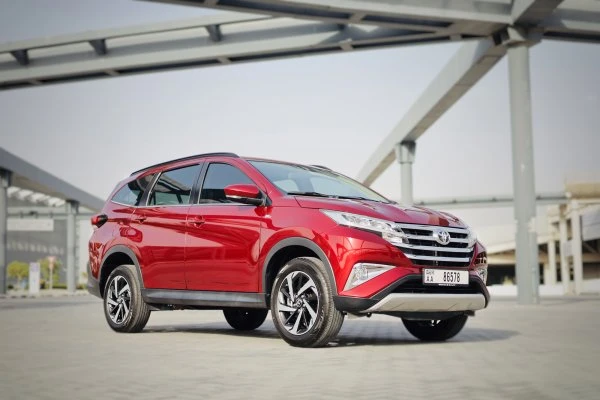
Toyota’s logo consists of three overlapping ovals forming a stylized “T” in the center. The two inner ovals represent the heart of the customer and the heart of the company, united in trust, while the outer oval signifies the world embracing Toyota. Introduced in 1989, this simple yet meaningful design reflects Toyota’s philosophy of quality, durability, and continuous improvement, known as kaizen. This logo positions Toyota as a symbol of dependable everyday mobility.
Nissan
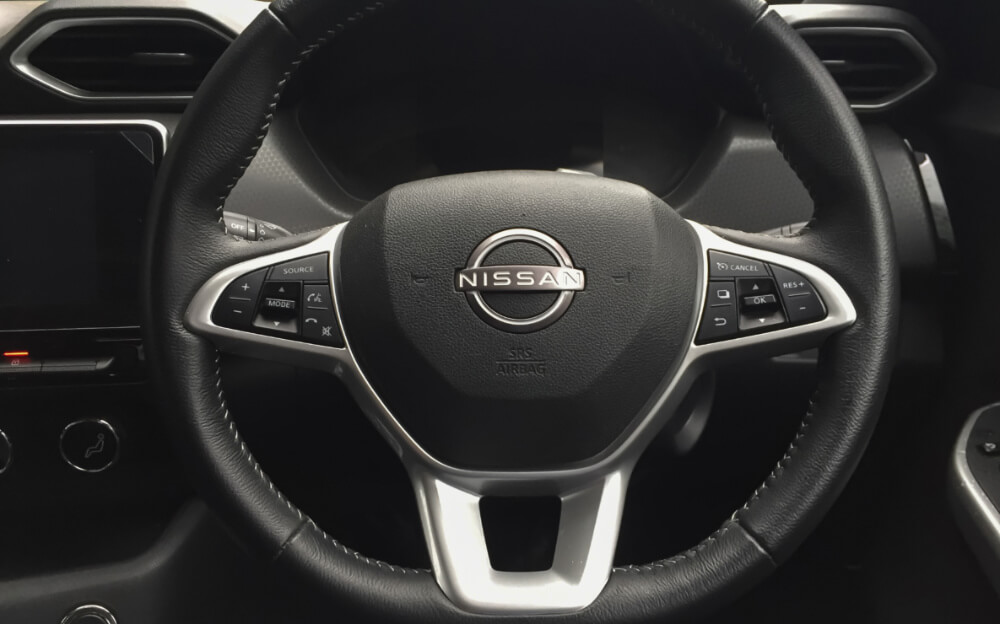
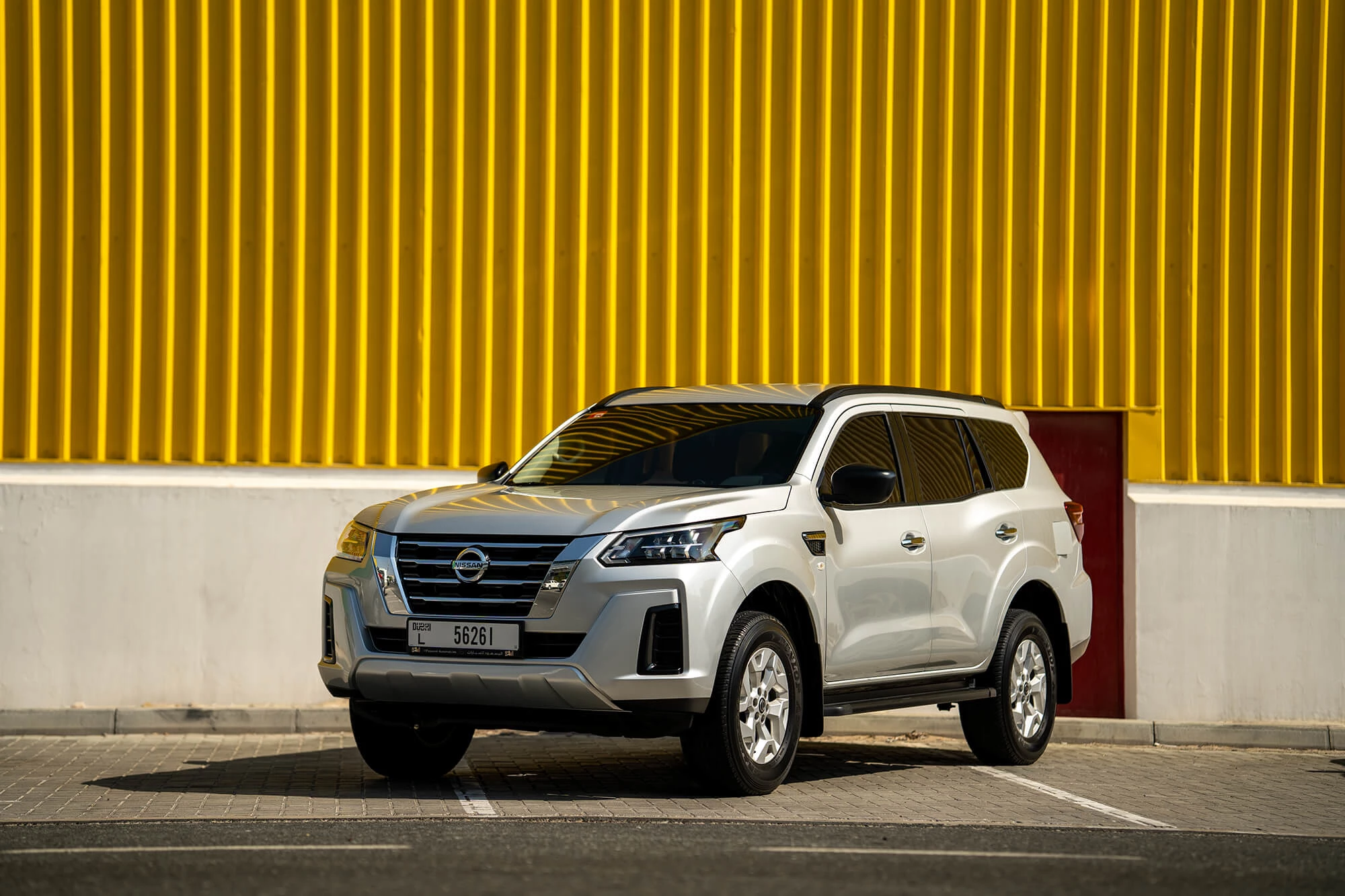
Nissan’s logo features a silver circle with a horizontal chrome bar across the center, bearing the brand’s name in bold. The circle represents the rising sun (a nod to Japan’s heritage), while the bar symbolizes the road ahead. Nissan aims to appeal to a wide audience with a lineup that includes practical sedans and advanced electric cars like the Leaf, focusing on accessibility, performance, and innovative technology.
Infiniti
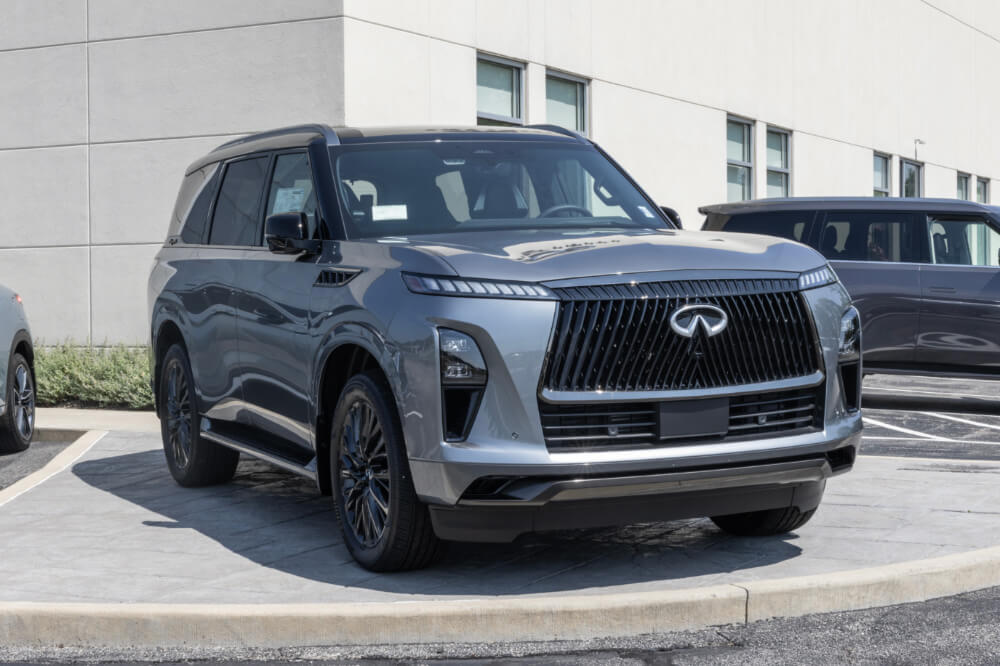
Infiniti, Nissan’s luxury division, uses a stylized triangular road extending toward a horizon, framed within a circle. Drawn from automotive history and the idea of endless possibilities, the design conveys a sense of unlimited adventure and luxury ambition. It embodies polished performance, advanced technology, and stylish design, attracting buyers seeking Japanese precision, comfort, and innovation.
Hyundai
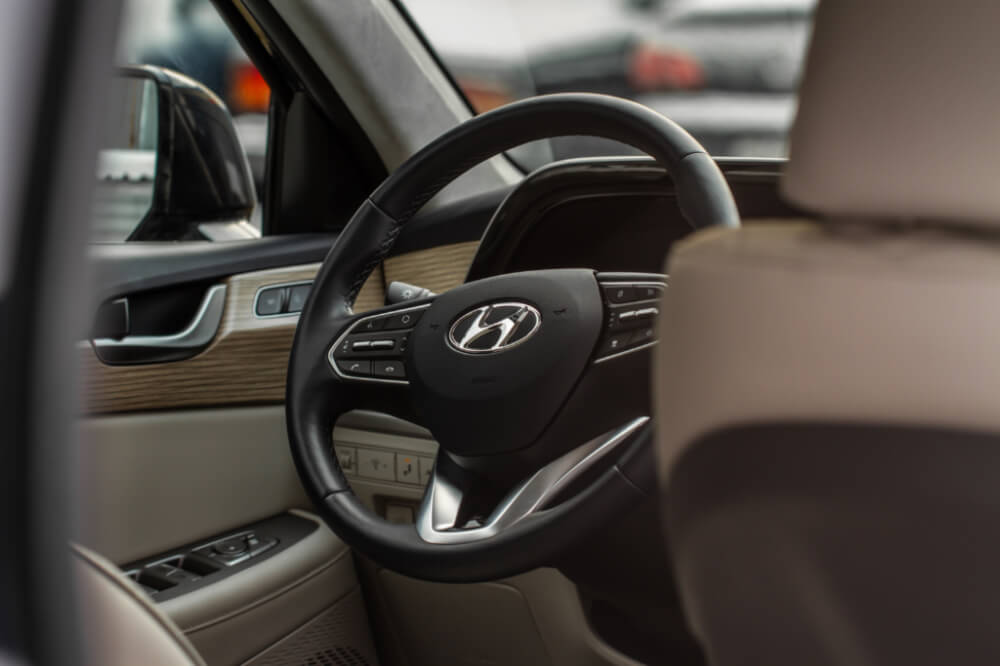
Hyundai’s logo is a stylized slanted “H” within an oval, symbolizing two people (the company and the customer) shaking hands in trust. Founded by Chung Ju-yung, the company was transformed from a construction firm into a global automotive powerhouse. The modern, fluid design reflects Hyundai’s rapid evolution toward bold styling, advanced safety features, and competitive value, attracting a broad audience that values innovation and affordability without compromising quality.
KIA
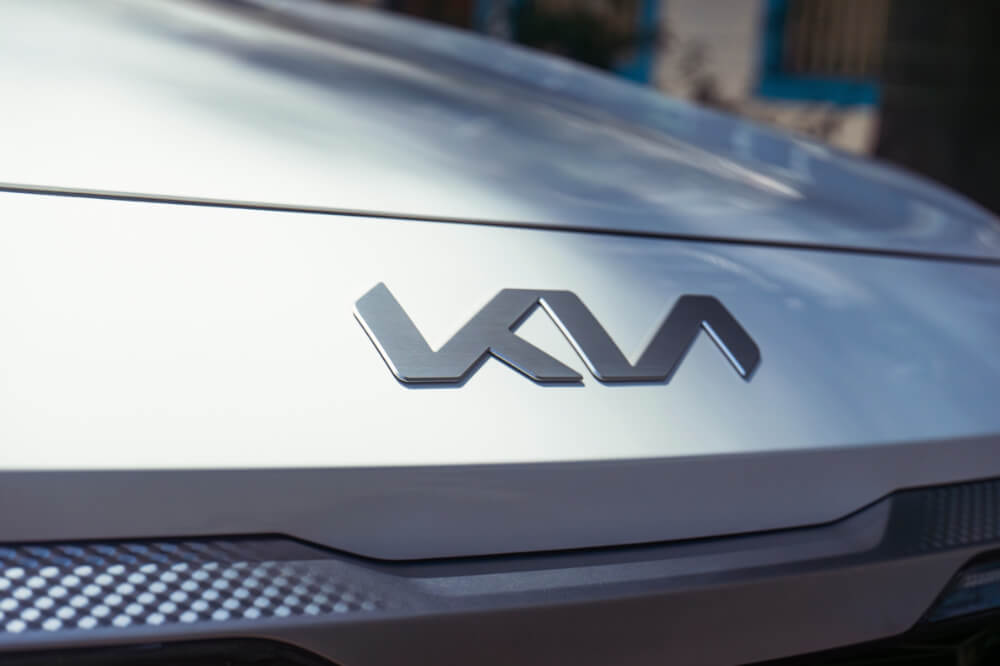
KIA’s current logo was introduced in 2021. It features the brand name in a seamless, connected script within an oval-like boundary. The new logo has remained bold and minimalist, representing renewal, creativity, and forward momentum. It symbolizes KIA’s transformation into a more dynamic and innovative brand, with a focus on electric vehicles and distinctive design.
Jetour
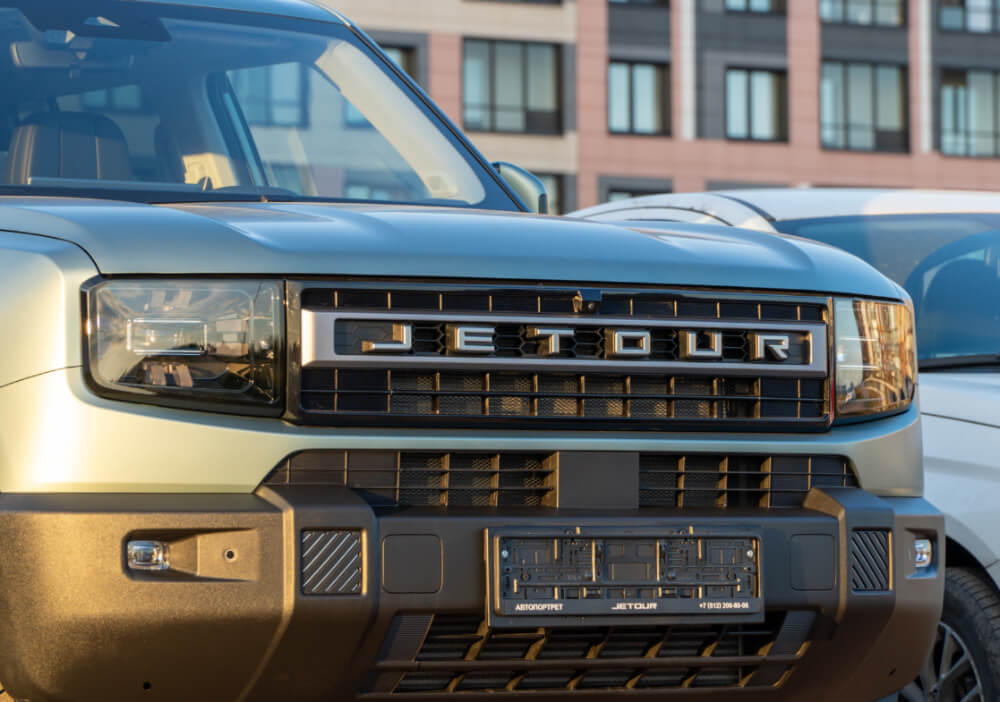
Jetour, a newer brand under Chery Automobile, uses a logo with six stars arranged in a hexagonal pattern, evoking strength, guidance, and premium aspiration. The six stars symbolize the brand’s excellence across multiple dimensions: quality, innovation, safety, comfort, intelligence, and service. Targeting the growing SUV and family-vehicle market, Jetour emphasizes modern, progressive crossovers.
Electric and Future-Focused Car Logos
And, of course, in electrical engineering, symbols and emblems convey a focus on technology and a vision of the future.
Tesla
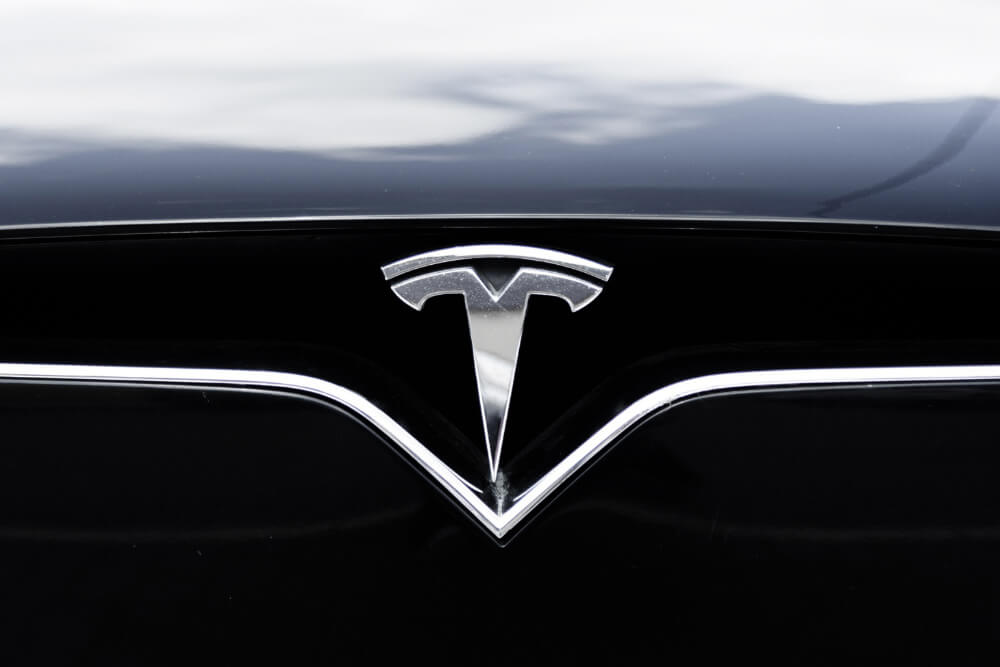
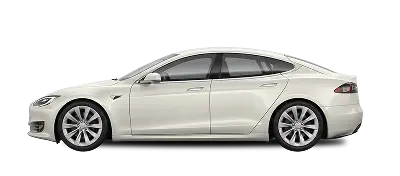
Already one of the most recognizable and popular logos on Dubai’s roads, the Tesla brand logo has an interesting history. The futuristic and stylish letter “T” symbolizes the cross-section of an electric motor: the center line is the rotor, and the arc above is part of the stator. Metaphorically, it symbolizes Tesla’s focus on technology, created by Elon Musk to honor inventor Nikola Tesla and highlight engineering achievements. It also embodies themes of futurism, innovation, and simplicity.
How Car Logos Reflect Driving Culture in Dubai
Dubai is a unique place where car culture is not only practical in everyday life but also an expression of status and financial security. Logos on hoods and radiator grilles serve as a visual language that communicates the driver’s character, preferences, and lifestyle.
A wide variety of cars can be found on the streets of Dubai: casual sedans, premium cars, and supercars. According to 2026 sales data, Toyota (Land Cruiser, Hilux), Nissan (Patrol), Mercedes-Benz, and Range Rover remain the leaders. These brands reflect practical needs: reliability, space for the family, and comfort in the heat thanks to a well-designed cooling system.
At the same time, you can often see beasts such as Ferrari, Lamborghini, Porsche, and Rolls-Royce on the roads. These are symbols of success and a passion for dynamics.
What logos say in Dubai:
- The three-pointed star of Mercedes or the propeller of BMW are associated with premium comfort and technology.
- The prancing horse of Ferrari or the bull of Lamborghini are totemic animals associated with speed and emotion.
- The Porsche crest conveys its sporting heritage.
- The simple VW logo emphasizes practicality and affordability.
Dubai attracts popular car brands with its ideal conditions: excellent roads, a warm climate year-round, and a luxury atmosphere. The city serves as a global platform where brands showcase their logos to millions of tourists and residents, enhancing their recognition and prestige.
The rental market allows you to get acquainted with different brands without committing to a purchase. You can choose an everyday Toyota for the city, a premium Mercedes for meetings, or a Lamborghini supercar for a vivid experience.
Renting Iconic Car Brands in Dubai
Anyone in Dubai can test-drive different car brands without buying them. Car rental is available to everyone, regardless of residency status. You can rent a luxury car from the brands listed in the article at Octane.Rent.
Rentals are available on a daily or monthly basis. Renting will help you save time and money, and the emotions you get from driving will be remembered forever. In addition, the wide selection in the Octane.Rent fleet will allow you to choose the model that best fits your needs.
Car Logos and Brand Identity
There is a special meaning behind the emblems. Logos serve as the language of the automotive industry. Through them, brands convey their history, values, and philosophy. Drivers in Dubai choose an emblem that reflects their personality, ranging from practical reliability to a passion for speed. Engineering accomplishments, cultural symbols, and personal emotions influence their sense of identity.
For example, Volkswagen, Jaguar, and Jeep logos have evolved, reflecting changes in each brand’s philosophy and adaptation to contemporary design trends.
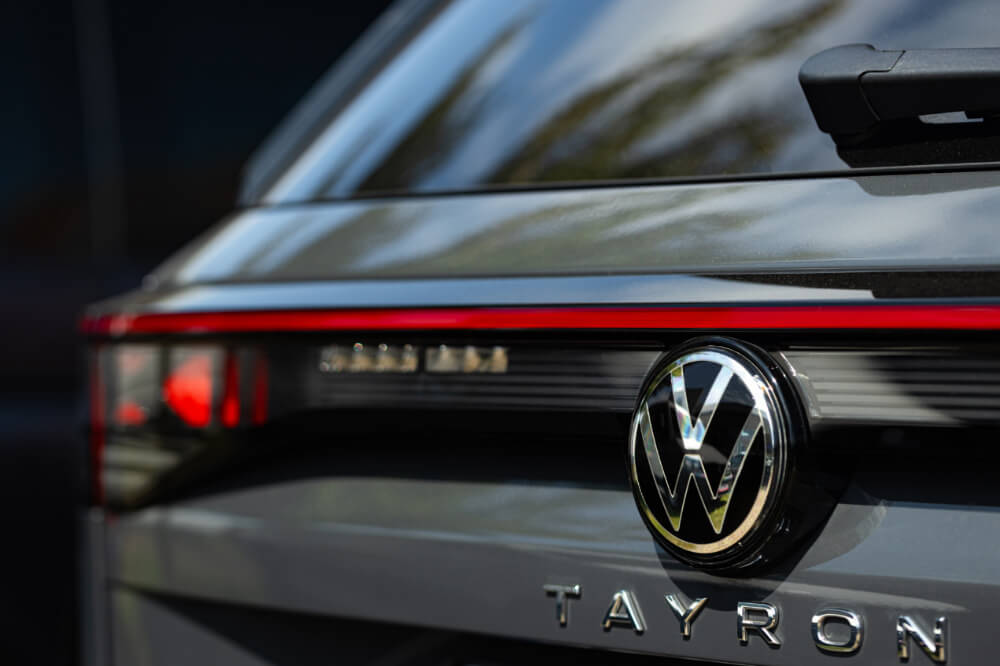
- Volkswagen moved from the more complicated designs of the 1930s to a clean, minimalist circle with the VW letters, emphasizing accessibility, reliability, and modern technology.
- Jaguar refined the jumping cat motif from its early versions into sleek, flat contemporary forms, conveying elegance, grace, and dynamic performance.
- Jeep maintained its focus on ruggedness, evolving from military origins to a stylized grille design that symbolizes off-road capability and adventure.
Overall, these changes maintain the brands’ relevance and deepen the emotional connection with drivers by using timeless symbols rooted in history, values, and driving character.