



































- Overview of the UAE Automotive Market
- Key Drivers of Industry Growth
- Technology and Digitalization in the Automobile Sector
- Car Rental and Mobility Services
- UAE Government Regulations and Environmental Policies
- Impact on the New and Used Car Market
- Challenges Facing the UAE Automotive Industry
- Future Outlook of the UAE Automotive Industry Beyond 2026
- FAQ
Dubai’s automotive industry is developing into one of the most advanced in the Middle East. By early 2026, Dubai and Abu Dhabi will remain the main hubs, accounting for over 70% of sales and shaping the entire UAE market.
The results of 2023 showed a noticeable surge in interest in new models and rapid growth in the used-car segment, which intensified in 2024 due to an increase in the number of expats, corporate clients, and tourists.
The country’s vehicle market is currently undergoing a digital transformation: online sales are expanding, autonomous driving technology is gaining popularity, and interest in electric and hybrid models is growing as car buyers become more eco-conscious. Incidentally, manufacturers are actively strengthening their presence through local dealers.
According to predictions, the industry’s total volume could reach several billion by 2030. This growth in the UAE reflects stable market conditions and confident investment in infrastructure, logistics, and transport innovations.
Overview of the UAE Automotive Market
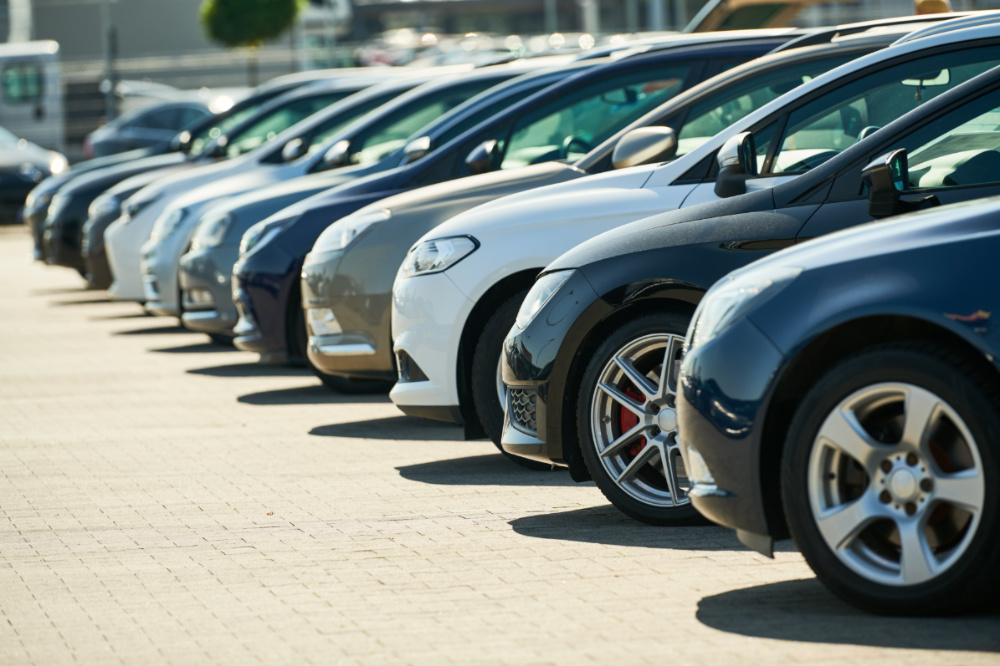
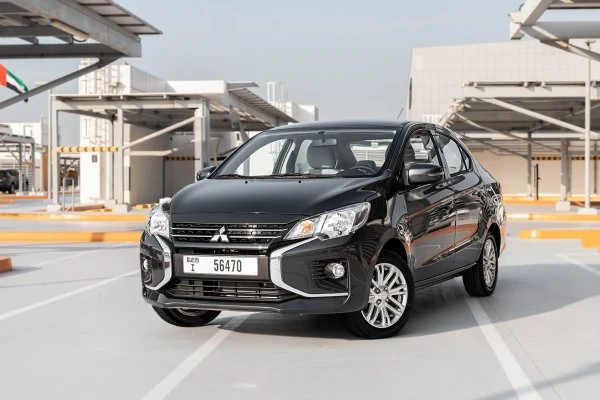
In 2026, the UAE’s total car market will continue to grow. This is due to stable demand from residents, increased business purchases and corporate car leasing, and a massive rush of tourists from around the world. Latest trends are shaping new demand for both modern crossovers and more affordable models. At the same time, the factor of oversupply of cars on the market cannot be ignored.
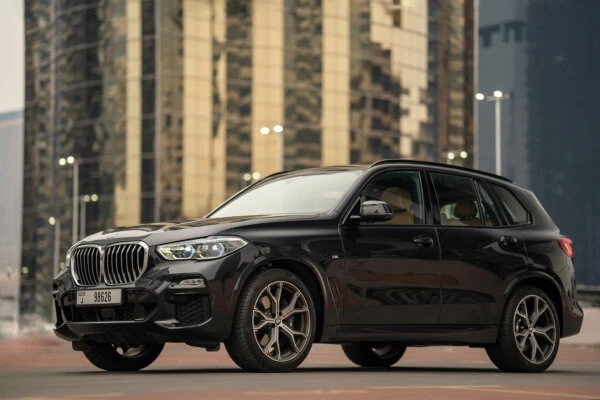
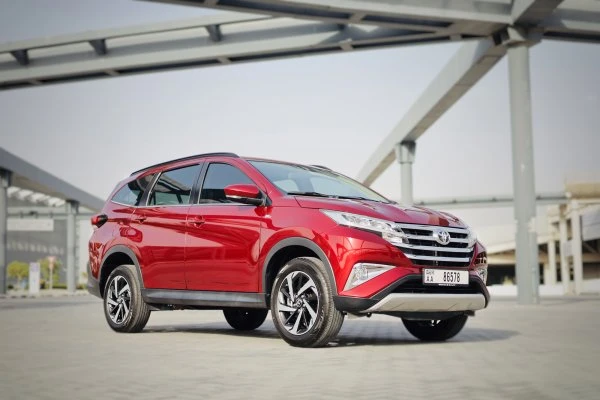
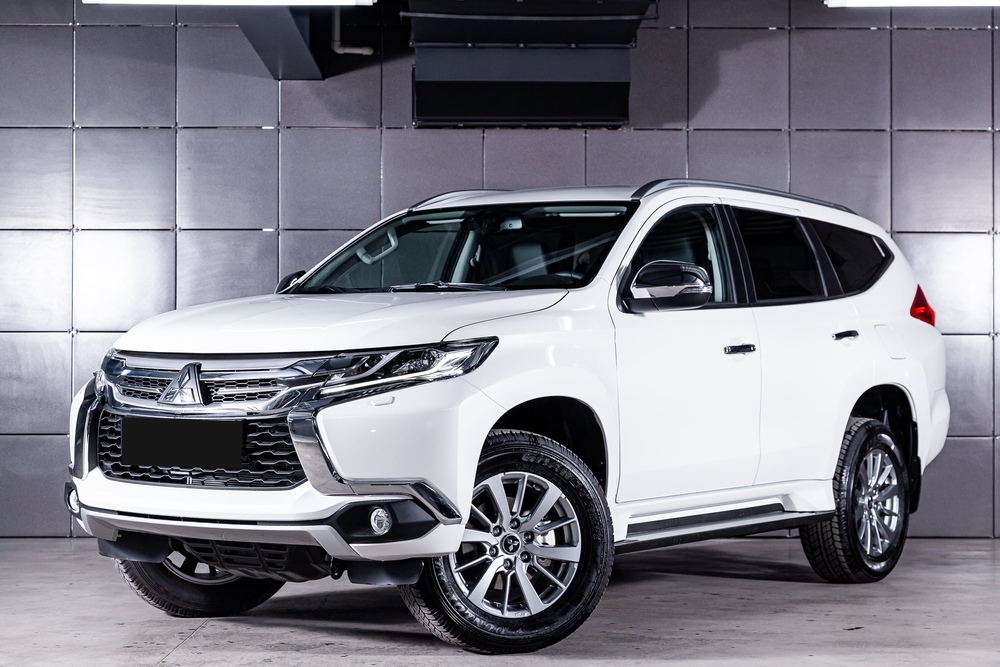
Interestingly, the used-car market growth is happening faster than the new-car segment, as customers seek more affordable ownership options amid an expanding model range. At the same time, the new car segment remains highly active, with Japanese SUVs and sedans such as the:
- Toyota Land Cruiser
- Nissan Patrol
- Toyota Prado
- Mitsubishi Pajero
- Toyota Hilux
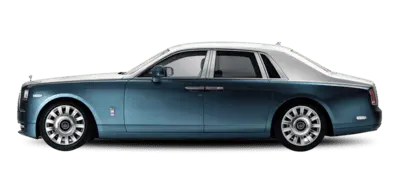
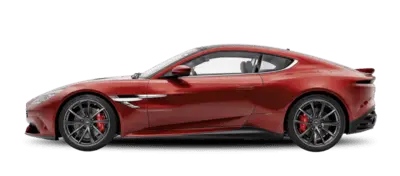
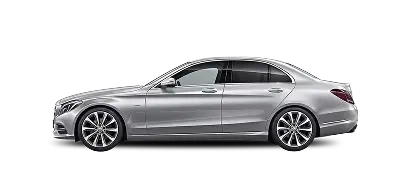
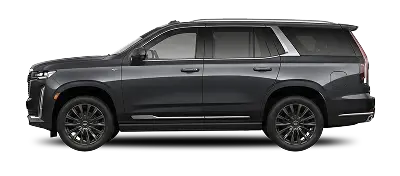
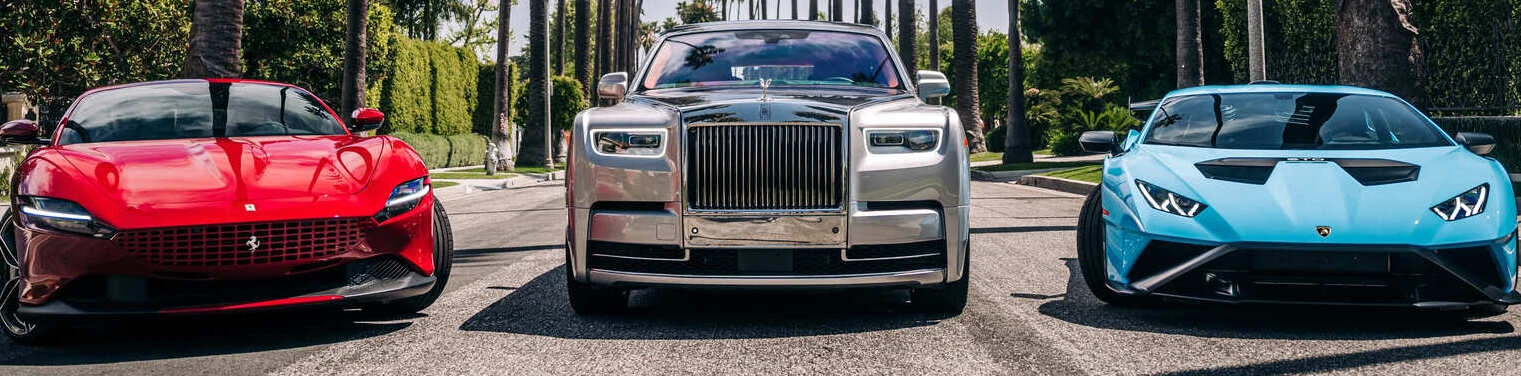
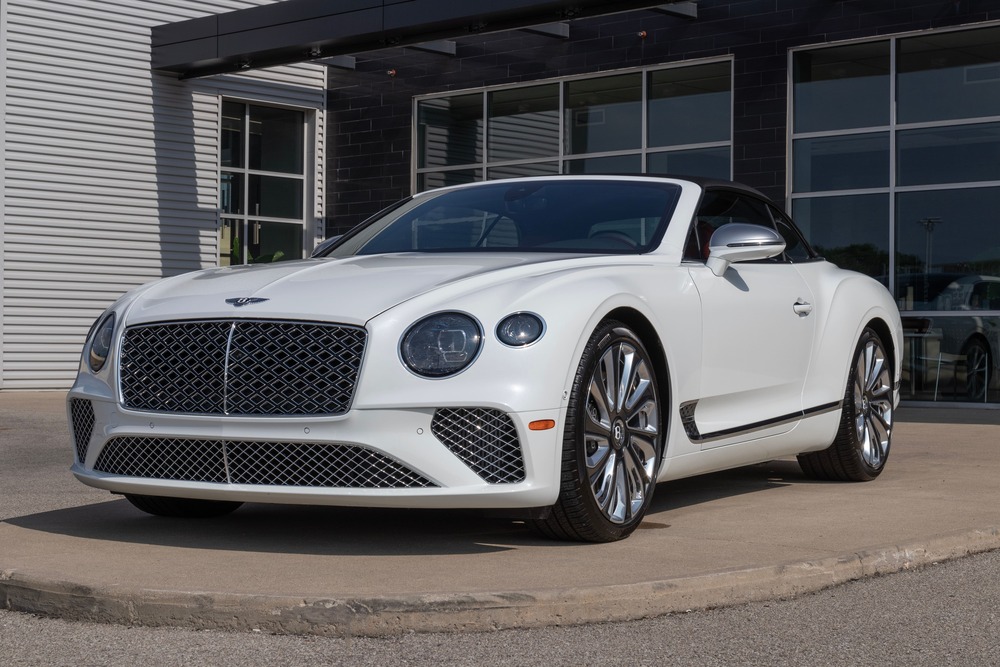
As well as sedans such as the Toyota Corolla. Among expensive cars, luxury brands such as:
Innovation, technological progress, digitalization, and electrification are driving market development. More and more UAE residents are using innovative technologies to manage transport, with autonomous taxis and buses gradually being integrated onto the roads. The latest data shows the UAE EV market is set for extreme growth (in 2023, electric vehicle sales in the UAE increased by 35%, driven by government support and stricter environmental regulations).
Car imports continue to play a key role: GCC standards ensure a uniform approach to quality and technical requirements, while local dealers strengthen their position through services and transparent registration procedures.
Key Drivers of Industry Growth
The UAE automotive market size is expected to grow due to key factors.
- Population growth & urbanization: As Dubai, Abu Dhabi, and other emirates expand, demand for personal and commercial vehicles rises, driving year-on-year sales growth.
- Tourism and business activity: Millions of visitors and business travelers (including Investors and industry professionals). The demand for vehicles in the UAE can also be explained by the long distances involved. For example, if a tourist wants to relax actively, they will have to spend more than an hour driving from one place to another.
- Government investment and infrastructure projects: Massive projects, including road expansions, innovative city initiatives, and green mobility programs, improve accessibility and support the automotive trade. More and more parking spaces, bridges, and overpasses are appearing.
- Global trade and logistics hubs: Strategic locations such as Jebel Ali Port and Jebel Ali Free Zone enable the efficient import and export of vehicles and spare parts.
- Technology adoption: In the UAE, advanced digital platforms, telematics, and connected vehicle solutions are being used.

Eco-friendly Electric Vehicles and Hybrid Cars Expansion in the United Arab Emirates
In this section, we’ll discuss the adoption of EVs. UAE accelerates EV adoption to meet 2050 carbon neutrality goals. The UAE is working to transition to EVs as part of its ambitious plan to achieve carbon neutrality by 2050. According to a recent market report, the nation is making major progress in decarbonising its transportation sector, with a comprehensive strategy to increase the use of electric vehicles.
Technology and Digitalization in the Automobile Sector
The UAE automotive market is undergoing swift digital change. E-commerce sites for both new and used cars enable buyers to browse, compare, and buy vehicles online, including luxury brands like Lexus. The integration of subscription services (when a customer pays a fixed monthly or yearly fee to access a machine or a set of services) and autonomous driving features enhances connectivity, convenience, and the overall driving experience. These current trends are redefining how vehicles are marketed, sold, and maintained in the UAE.
Luxury and Premium Car Segment Trends
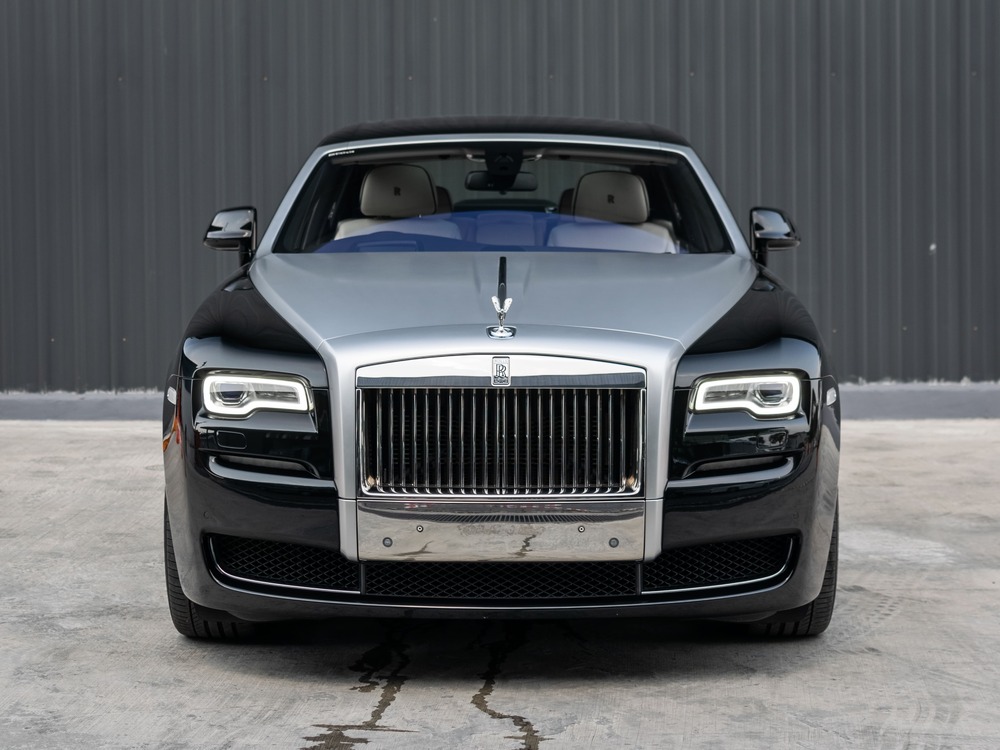
Dubai remains a key hub for high-end vehicles. Demand for luxury and premium cars is rising, driven by tourism, expats, and local buyers. In the UAE, especially in Dubai, car culture is very developed, and even the police drive Ferraris here. For many people, a car is not only a symbol of comfort and convenience but also a reflection of their personality, style, and wealth. Robust automotive trade in Dubai supports a wide range of international brands, with dealerships focusing on personalized service and digital purchasing experiences.
Automotive Services, Maintenance, and Aftermarket Growth
The UAE aftermarket sector continues to expand, covering maintenance, detailing, tuning, and spare parts. Growth in market share is supported by increasing vehicle ownership and rising expectations for high-quality post-sale services. Companies are using advanced diagnostic tools and digital service platforms to ensure efficient, reliable support for all types of vehicles.
Car Rental and Mobility Services
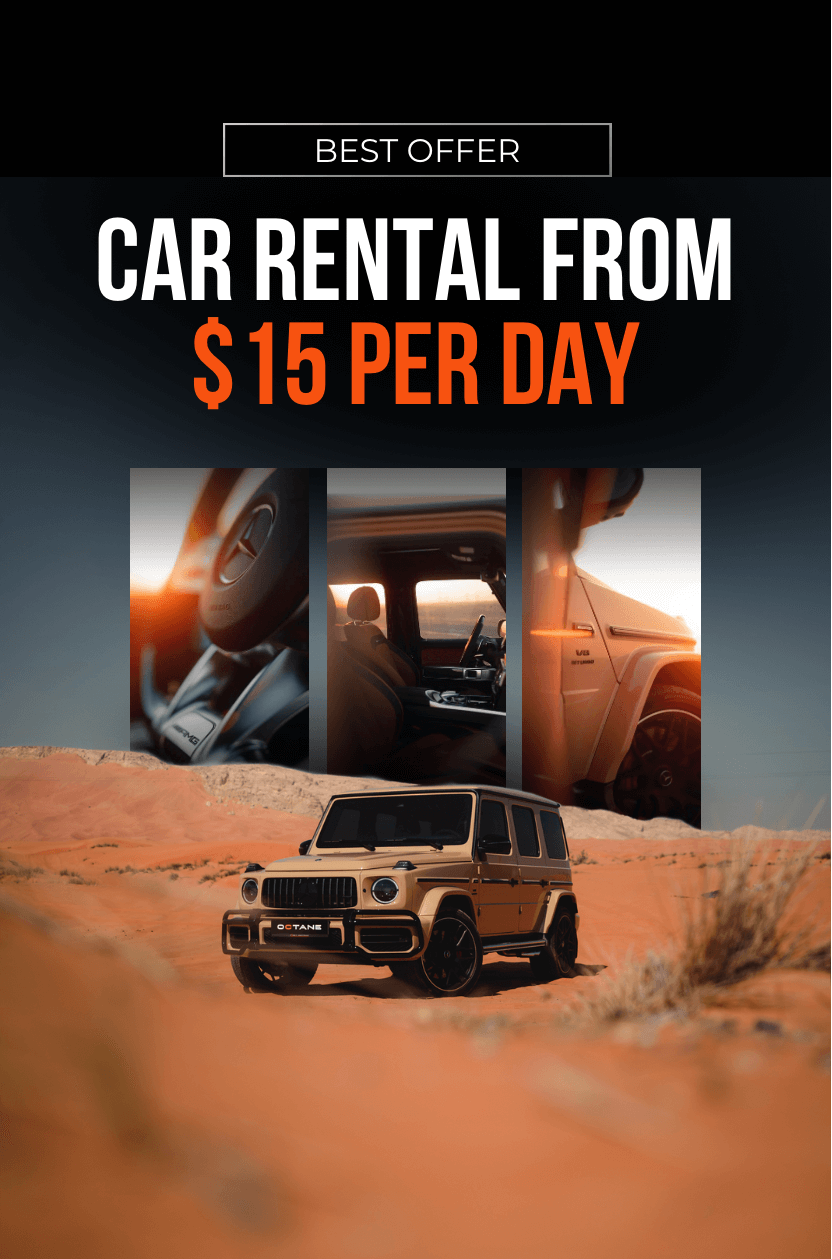
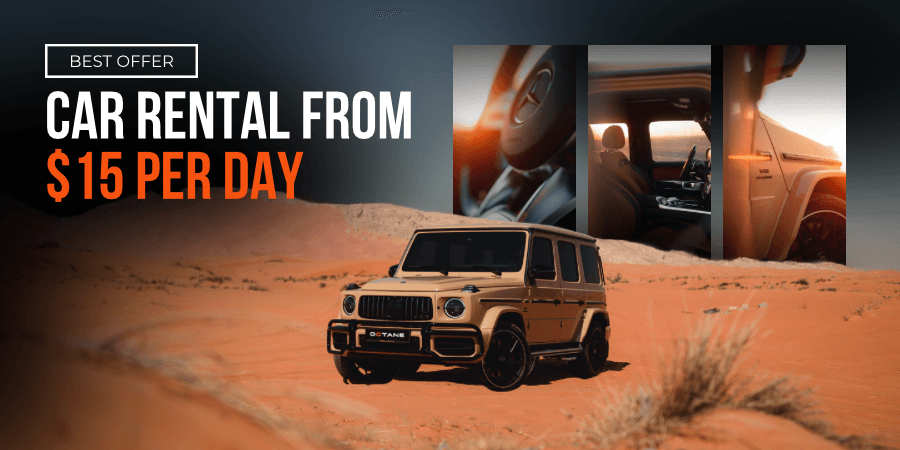
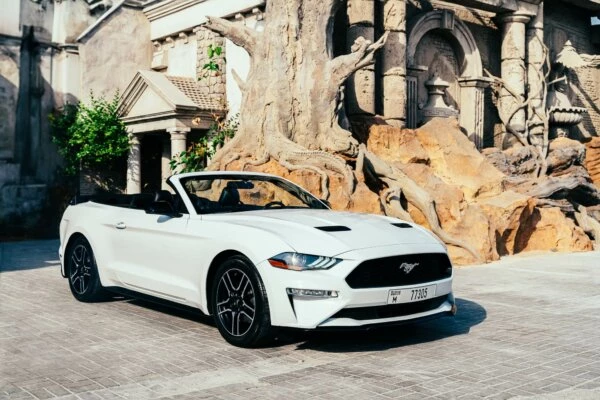
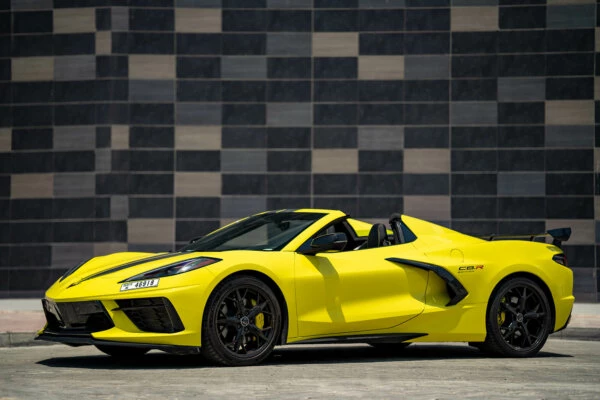
Car sharing and car rental are actively developing in the UAE. Demand is equally high for both short-term and long-term rentals. Both locals and tourists want to remain independent of public transport and taxis, so they choose rentals for periods that suit them. Among the cars in demand are both economical and eco-friendly cars, as well as luxury car brands.
Companies in the UAE, such as Octane, are becoming more popular thanks to their reputation, experience, and acquired fame. For example, Octane offers a wide selection of cars across all categories and brands (including Chinese, Korean, Japanese, and British). The ability to rent a car without a deposit, with insurance included, and with flexible terms makes renting more attractive. In addition, before buying, many drivers prefer to take a long test drive, renting a car they like to get to know it inside and out.
UAE Government Regulations and Environmental Policies
In this section, we will examine key measures and government incentives, and their impact on the market’s future.
- Transition to “green mobility” and support for electric and hybrid vehicles: The government is striving for large-scale electrification of the automotive sector. The macro goal is to have up to 50% of all cars in the country electrified by 2050. At the same time, the government is actively encouraging EV owners with incentives such as reduced or waived registration fees, parking privileges, and road/transportation fees.
- The charging infrastructure is developing: Hundreds of charging stations are being built. There is no exact total number of charging stations in the UAE, but as of April 2024, there were more than 382 charging stations in Dubai, and the number is growing.
- Integration of new modes of transport and sustainable mobility: Public transport is being electrified, normalizing an eco-friendly lifestyle.
- Preferential import terms: There are lower taxes and more incentives for importing electric and hybrid models, further reducing their prices and making them not only affordable but also profitable. The government motivates dealers to sell more electric vehicles, replacing gasoline options.
- Aftermarket, charging, and sustainable maintenance: With the growing share of EVs and hybrids, demand for specialized services is increasing: charging, battery maintenance, disposal, recycling, and maintenance of green cars. This opens up opportunities for companies in the spare parts and services segment.
Impact on the New and Used Car Market
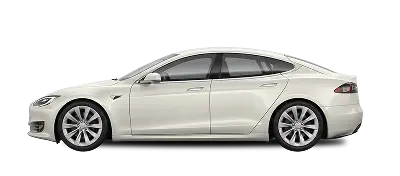
The new and used car markets in the UAE are seeing increased supply and price pressures due to global shifts, especially the introduction of new US tariffs on Chinese cars. This has resulted in an oversupply of vehicles, lower new-car prices, and heightened competition among dealers, who are now offering discounts and financing options. In the used car market, more models are available, leading to more listings and inventory, which could cause prices to fall and make selling more difficult as choices expand gradually. Used electric cars are gaining popularity as owners sell older or less advanced models to upgrade to more advanced EVs, such as Tesla models.
Challenges Facing the UAE Automotive Industry
Despite steady growth, the automotive industry faces several factors that could slow down development:
- Too fast technological progress: Many automotive companies must rethink their strategies to keep up with car trends. Not all market participants can adapt to such rapid transformation.
- Logistics: Delivery delays, changes in raw material prices, and global supply chain disruptions directly affect the availability of models within the UAE. This leads to price fluctuations and less predictability for dealers and buyers.
- Price instabilities: Most cars and spare parts in the UAE are imported. Changes in exchange rates and shipping costs affect the final price. To keep customers, brands often adjust prices, causing instability for buyers and dealers.
Finally, analysts note that the industry’s strong compound annual growth rate could face challenges if brands cannot balance innovation, affordability, and the costs of adopting new technologies. In such situations, flexibility and quick adaptation become crucial for competitiveness.
Future Outlook of the UAE Automotive Industry Beyond 2026
The UAE is closely linked to the global automotive industry and is accelerating the transition to green mobility: the network of charging stations is expanding, and government initiatives are supporting the growth of electrification of personal and corporate transport, for example, by providing various bonuses and incentives to those who switch to the “green side.” This explains the growing demand for Chinese automotive products. New-generation Chinese car brands offer technologically advanced models that highlight affordability. This is especially important for first-time EV buyers.
At the same time, autonomous transport is also developing. Dubai and Abu Dhabi continue to implement test routes for driverless taxis and buses, while manufacturers are integrating ADAS (Advanced Driver Assistance Systems) and AI systems into standard equipment. This is changing perceptions of comfort and safety, and even in the high-end segment, the focus is shifting from traditional power to the car’s intellectual capabilities.
Everything is moving towards cars becoming not just a means of transportation and a status symbol, but also a full-fledged human assistant, as gadgets have long since become.
- The role of local industry is also strengthening: automotive and spare parts companies are expanding their logistics, service networks, and digital channels to support and service the rapidly growing fleet. This is especially important because reputation is even more important now. Every user can leave a review, and if you are going to release a car, then both the car itself and its service must be of the highest standard to keep customers satisfied.
- As an additional factor, the government is actively investing in infrastructure, developing roads, increasing the number of gas stations, and parking spaces. The analytical community regularly examines the market to forecast demand and new opportunities.
Despite high competition, the market keeps to grow at a stable rate.